
Key aspects for choosing a safe location when buying a home
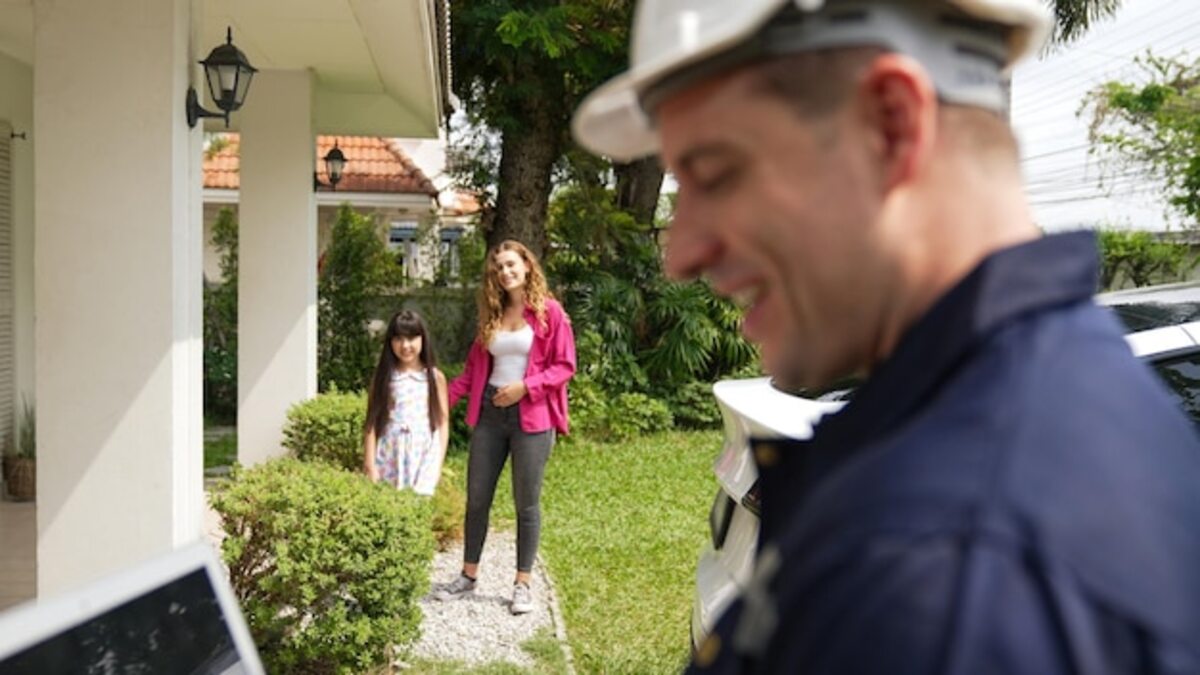
Choosing a home not only involves finding the perfect space but also ensuring that it is in a safe location. In a world where safety is paramount, understanding the key aspects of selecting a safe neighborhood becomes a necessity. From evaluating crime statistics to the proximity of essential services, every detail matters. In this article, I will guide you through crucial considerations to make informed decisions that protect your home and your family.
Analysis of crime rates in the area
When considering the purchase of a home, one of the most important aspects is the analysis of crime rates in the area. This type of data can provide a clear insight into the overall safety of the neighborhood, allowing potential homeowners to understand the most common types of crimes and their frequency. Therefore, it is advisable to consult official sources such as police reports or platforms that collect crime statistics. Additionally, one should consider not only the total number of crimes but also their evolution over time, as a sudden increase could indicate underlying problems in the community.
Another point to consider is the comparison between different areas. Some zones may report high crime rates while simultaneously having a strong community response or prevention programs, which can mitigate those risks. It is essential to investigate how these rates relate to other local factors, such as the presence of well-maintained schools and parks, as well as active community initiatives that foster a safe environment. Subjective perception also plays an important role; talking to current residents can provide valuable insights into how safety is actually perceived in the chosen area.
Advertisements
Proximity to emergency services
Proximity to emergency services is a critical factor when choosing a home, as it can make the difference between a quick and effective response in crisis situations. Living near hospitals, fire stations, and police stations not only provides peace of mind to residents but also ensures that help is just minutes away in case of a medical emergency, fire, or any other eventuality. A community well-served by these services often reflects a commitment to public safety, which can be a positive indicator about the neighborhood in general.
Additionally, easy and quick access to these resources can influence the long-term value of your property. Houses located near essential services tend to be more desirable to future buyers, which translates into a more secure investment. When evaluating different options, consider visiting the nearby facilities and checking their response times; this will provide you with a clear perspective on how these elements can impact both your daily life and the overall safety in your new home.
Quality of schools and their influence on safety
The quality of schools in a neighborhood not only influences the education of children but can also directly affect the safety and well-being of the community. Areas with well-rated educational institutions tend to attract families committed to development and stability, which in turn fosters a safer environment. Moreover, a good school can be an indicator of greater investment in infrastructure and public services, thereby creating an environment where crimes are less frequent, as an educated community tends to be more involved in monitoring and caring for the area.
Likewise, schools are a focal point in community life; school events, extracurricular activities, and family gatherings foster a sense of belonging among residents. This social bond creates support networks that can deter criminal behavior and improve communication among neighbors. Therefore, when considering a location for your future home, researching local schools is vital not only to ensure a good education for your children but also to contribute to a safer and more cohesive environment.
Neighborhood characteristics: lighting and maintenance
When evaluating the safety of a neighborhood, lighting is a crucial factor that is often overlooked. A well-lit area not only deters potential criminals but also provides a sense of comfort and security for residents. Streets, parks, and public spaces that are adequately illuminated allow for greater visibility during nighttime hours, facilitating safe transit and encouraging social interaction among neighbors. It is advisable to visit the neighborhood at different times of the day and observe how the lighting behaves as night falls; this can give you a clear idea of the overall atmosphere and how committed the municipality is to public safety.
The maintenance of the neighborhood also plays a fundamental role in its perception of safety. Well-kept areas, with trimmed gardens, clean sidewalks, and buildings in good condition often indicate a commitment from residents and local authorities to maintain a safe environment. A neglected neighborhood may be seen as less safe, as it can attract criminal activities or disinterest from the community. While walking through the area, observe if there are visible signs of regular maintenance; this not only ensures a good quality of life for its inhabitants but also reflects a collective sense of responsibility towards the well-being of the place where one lives.
The importance of the community and its organizations
The community and its organizations play a fundamental role in creating a safe and welcoming environment for residents. When choosing a location, it is essential to research community activity and initiatives taking place in the area. Groups such as neighborhood associations, safety committees, and watch programs can be positive indicators of a neighborhood committed to safety. These organizations not only promote collaboration among residents but also establish effective communication channels with local authorities, contributing to a faster response to risk situations.
Additionally, an active community can provide valuable resources that enhance the quality of life in the neighborhood. Recreational activities, cultural events, and educational programs foster a sense of belonging and unity among residents. This type of social cohesion often translates into a greater commitment from neighbors to take care of their environment and protect each other. Therefore, when evaluating an area for your future home, taking the time to get to know community organizations will allow you to not only identify how local safety is managed but also understand the added value that living in a place where people look out for one another can offer you.
Evaluation of security measures: cameras and patrols
Home security is one of the main concerns when choosing a location to live. Among the measures that can provide peace of mind are surveillance cameras and the presence of security patrols. Cameras, both in public and private spaces, act as a powerful deterrent against criminal activities. When researching a neighborhood, it is essential to observe whether there are video surveillance systems implemented by the community or even by the neighbors themselves, which can indicate a collective commitment to security.
Additionally, the frequency and visibility of security patrols are crucial elements to consider. An area where patrols are regular not only provides an immediate sense of protection but also contributes to long-term crime prevention. Speaking with current residents about their experience with security services can offer valuable insights into the effectiveness of these measures. In summary, evaluating these aspects will allow you to make more informed decisions and ensure that your new home is surrounded by a strong and effective network of protection.
Technology trends to enhance home security
Technology has advanced significantly in recent years, providing homeowners with a variety of options to enhance security in their homes. From smart surveillance cameras to connected alarm systems, these devices not only allow you to monitor and protect your property in real-time but can also integrate with your smartphone to provide instant alerts and notifications. Installing outdoor lights with motion sensors or smart doorbells that allow you to see and talk to those approaching your door are clear examples of how technology can deter criminal activities and increase the sense of security at home.
Moreover, smart locks have revolutionized the way we secure our entrances. These locks offer remote access and allow for programming temporary codes for visitors or services, eliminating the need for physical keys that can be easily lost or copied. As more people adopt technologies like these, it becomes evident that investing in technological solutions for home security not only provides peace of mind to residents but can also increase the overall value of the property by aligning with modern security expectations. When considering a safe location when buying a home, it is essential to assess what technological options you can integrate to create a more protected environment both inside and outside the home.
Tips for visiting the area before buying
When considering the purchase of a home, it is essential to visit the area at different times of the day and week. This will allow you to observe what the neighborhood is really like and how its residents behave. Pay attention to daytime and nighttime activity; an area that seems quiet during the day could become noisy or unsafe at night. Additionally, interacting with neighbors can provide you with valuable information about the community and its level of safety, as well as any recurring issues you may not have noticed during a single visit.
It is also advisable to explore the surroundings, such as schools, shops, parks, and medical centers. Checking the quality of these services not only impacts your quality of life but also reflects the community's commitment to safety and well-being. Observe if there is a presence of police patrols or community activities; these are positive signs of an engaged and vigilant neighborhood. Remember that a good location is not only measured in terms of immediate safety but also in the accessibility to resources that promote a healthy environment for you and your family.
Advertisements
More in Security and Technology
Home, Security and Technology
Early warning systems for smart home security

Home, Security and Technology
Tips to secure your investment when buying property in Costa Rica

Home, Security and Technology
Innovation in security systems for smart homes

Home, Security and Technology
Redefining home security with smart mesh technology
Most viewed in Home

Home, Furniture
Furniture that promotes the art of rest and disconnection

Home, Furniture
How to select furniture that reinforces your investment in Costa Rica

Home, Essential Appliances
Appliances that ensure functionality and style in your home
Home, Security and Technology
Early warning systems for smart home security