
Tips for choosing a home that ensures your peace of mind and well-being

Choosing a home not only involves finding a physical space but also ensuring your peace of mind and well-being. In a world where safety and technology are essential, it is vital that your choice aligns with these aspects. In this article, we will provide practical tips for making informed decisions when selecting the ideal place to live, thus guaranteeing your mental peace and daily comfort. Discover how to turn your home into a safe and modern haven!
Evaluate the location: Is it safe and accessible?
When choosing a home, location plays a crucial role in your peace of mind and well-being. It is essential to evaluate whether the area you plan to live in is safe. Research the crime rates in the neighborhood, as well as the presence of security services like police patrols or surveillance systems. Talking to neighbors and learning about their experiences can give you a clearer insight into the safety of the environment. Remember that a safe home not only protects you but also your loved ones, creating an atmosphere where everyone can feel comfortable and secure.
In addition to safety, accessibility is another determining factor when choosing your new home. Consider the proximity to essential services like schools, hospitals, supermarkets, and public transport. A well-connected location will allow you to enjoy greater convenience in your daily life and facilitate your commutes. It is also helpful to assess access to nearby parks or recreational areas, as these spaces can significantly contribute to your physical and mental well-being. By selecting a location that combines safety and accessibility, you will be taking an important step toward creating a home that promotes your peace of mind and quality of life.
Advertisements
Security systems: What technologies to implement?
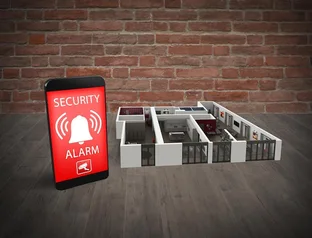
When choosing a home, it is essential to consider the implementation of security systems that ensure your peace of mind and that of your family. There are various technologies you can integrate into your space to create a protected environment. Alarm systems are a classic yet effective option; nowadays, many of them offer instant notifications to your smartphone and remote monitoring. Additionally, security cameras with real-time access allow you to monitor every corner of the home, providing an added sense of control over what happens even when you are not present.
Another essential technology is motion sensors and automated lights. These devices not only deter potential intruders by simulating activity in the home but also facilitate nighttime navigation without the need to turn on all the lights. Additionally, consider the integration of smart locks that provide a higher level of security by allowing access only to those you authorize through codes or mobile apps. By incorporating these technologies into your new home, you will be taking significant steps towards a safer and more peaceful environment.
Outdoor lighting: Key to deterring intruders.
Outdoor lighting plays a fundamental role in the security of your home. It is not just about beautifying the garden or patio, but a good lighting strategy can act as an effective deterrent against potential intruders. When outdoor areas are well-lit, the dark spots where criminals could hide are eliminated, significantly reducing the likelihood of burglary attempts. Opting for LED lights with motion sensors is an excellent choice, as they automatically turn on when motion is detected, alerting both residents and potential intruders of their presence.
In addition to improving safety, outdoor lighting also contributes to the overall well-being of those living in the home. A bright and welcoming environment not only facilitates mobility during nighttime hours but also provides a sense of comfort and protection. By illuminating entrances, pathways, and strategic areas of the garden, a more pleasant atmosphere is created for enjoying the outdoors with family or hosting guests. So when choosing your home, consider not only the quality and design of the outdoor fixtures but also their functionality and their impact on the overall safety of the space you wish to inhabit.
Closed communities vs. open areas: Pros and cons.
When considering where to establish your home, one of the most significant decisions you will face is the choice between gated communities and open areas. Gated communities often provide a safer environment, with controlled access and surveillance, which can offer a sense of protection and peace of mind. Additionally, these communities frequently feature shared amenities such as parks, pools, and recreational areas that foster a sense of community among residents. However, they can also present disadvantages such as high monthly fees and restrictions on modifications or the use of common spaces. On the other hand, open areas offer greater flexibility and diversity in terms of lifestyles and housing options. The freedom to customize your home according to your preferences is a significant attraction for many buyers. Furthermore, living in an open area allows you to access a variety of local services, such as shops, restaurants, and public transportation. Nevertheless, this type of neighborhood may lack the level of security that gated communities provide, which could affect your peace of mind if you value a controlled and monitored environment. By evaluating your personal priorities and family needs, you can make an informed decision about which option aligns best with your pursuit of well-being at home.
Smart technology: Connected home for greater protection.
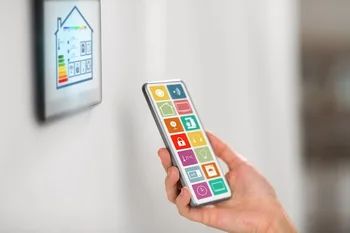
Smart technology has revolutionized the way we live, turning our homes into safer and more efficient spaces. A connected home not only allows control of devices and systems from anywhere but also offers a range of features that enhance protection and peace of mind. From smart security cameras that send alerts to your phone to electronic locks that you can manage remotely, these tools give you greater control over your environment, ensuring that you are always aware of what is happening in your home, even when you are not present. Additionally, home automation systems allow you to schedule daily routines to improve security and energy efficiency. For example, you can program lights to turn on and off at certain times or simulate presence when you are away. This not only deters intruders but also provides a sense of calm knowing that your home is protected by advanced technology. Investing in smart technology is an effective way to elevate the security level of your residence and ensure a space where you can enjoy total peace of mind.
Neighborhood watch: The importance of knowing your neighbors.
Neighborhood watch plays a crucial role in the safety and well-being of a community. Knowing your neighbors not only fosters a sense of belonging but also creates a network of mutual support that can be invaluable in emergencies. By establishing relationships with those around you, you can share information about suspicious activities, organize community patrols, or simply stay informed about what is happening in your neighborhood. This open communication among neighbors helps create a safer and more trustworthy environment for everyone.
Additionally, getting to know your neighbors allows you to identify local resources and services that can enhance your quality of life. From recommendations about service providers to alerts about community events, having close connections can enrich your experience as a resident. The resulting social cohesion fosters an environment where people look out for each other, which is essential for maintaining peace at home. So when choosing your new home, consider not only the characteristics of the physical space but also the opportunity to build strong relationships with those who will live near you.
Alarms and sensors: Best options on the market.
Alarms and sensors are essential tools for protecting your home and providing you with the peace of mind you need. In today's market, there are various options that cater to different needs and budgets. From traditional alarm systems to more advanced technologies such as motion sensors, connected surveillance cameras, and smart alarms that can be controlled from your smartphone, the variety is wide. It's important to evaluate the features of each system: look for those that offer real-time notifications, integration with other smart home devices, and ease of installation. A good option could be a system that includes both door and window sensors as well as indoor and outdoor cameras for complete coverage.
In addition to alarms, sensors play a crucial role in home security. Smoke and carbon monoxide detectors are essential for preventing risks within the home. Many modern models feature audible alerts and notifications sent directly to your phone, providing an extra layer of security. When choosing an alarm or sensor system, be sure to also consider the customer service offered by the company, as well as the 24/7 monitoring options. Opting for products with good reviews and recommendations can make a difference in the effectiveness of the chosen system, thus ensuring a safer environment for you and your loved ones.
Safe spaces within the home: Strategic design.
When designing a home that prioritizes safety, it is essential to consider the layout and functionality of the spaces. Strategic planning may include elements such as well-lit entrances, reinforced security windows, and clear hallways that allow for easy visibility. Additionally, it is advisable to implement security systems such as surveillance cameras and alarms connected to your mobile device. By creating an environment where every corner is designed to deter intruders, not only is physical protection increased, but a general sense of tranquility is also fostered among all members of the household.
No less important is the interior design, which can significantly contribute to emotional and physical well-being. It is essential to choose furniture and decorations that are not only aesthetic but also safe; for example, opting for tables with rounded edges or shelves anchored to the wall. Additionally, creating specific areas for recreational activities and family moments helps establish a cozy atmosphere that promotes communication and mutual support. In summary, a strategic design that considers both safety and emotional comfort will transform your home into a refuge where each person can feel protected and valued.
Fire and natural disaster prevention: Essential equipment.
Fire and natural disaster prevention is a fundamental aspect to consider when selecting your home. Having essential equipment, such as smoke detectors and automatic sprinkler systems, can make the difference between a controlled situation and a tragedy. Ensure that your future home is equipped with these devices, which not only alert in case of emergency but can also significantly reduce the risk of material and personal damage. Additionally, researching local fire safety regulations will allow you to know if the construction meets the necessary standards to protect its inhabitants.
It is also important to assess the geographical location of the home in relation to natural risks such as floods, earthquakes, or storms. Informing yourself about the disaster history in the area and the preventive measures implemented by the community can provide you with a clear understanding of the level of risk you would be exposed to. Consider also investing in appropriate insurance that covers potential contingencies related to natural disasters. Being prepared not only involves having the right equipment but also having an evacuation plan and an emergency kit at home, which will give you greater peace of mind in the event of any eventuality.
Regular maintenance: The key to a safe home in the long term.
Regular maintenance of your home is essential to ensure a safe and comfortable space in the long term. It is not only about preserving the aesthetics of your residence, but also about preventing issues that may compromise your safety and well-being. Conducting periodic checks on electrical systems, plumbing, and structure can save you significant expenses on future repairs. Additionally, keeping your installations in optimal condition minimizes the risk of accidents, such as short circuits or water leaks, which could result in dangerous situations.
Incorporating a preventive maintenance plan doesn't have to be an overwhelming task. You can set reminders for regular inspections and perform small tasks each month, such as cleaning the drains or checking the locks and windows. It is also advisable to have professionals assist you with more complex maintenance. By investing time and resources in the proper care of your home, you not only protect your investment but also create an environment conducive to rest and family tranquility. Ensuring that everything functions correctly is key to fully enjoying the refuge you have chosen.
Advertisements
More in Security and Technology
Home, Security and Technology
Early warning systems for smart home security

Home, Security and Technology
Tips to secure your investment when buying property in Costa Rica
Home, Security and Technology
Innovation in security systems for smart homes

Home, Security and Technology
Redefining home security with smart mesh technology
Most viewed in Home

Home, Furniture
Furniture that promotes the art of rest and disconnection

Home, Furniture
How to select furniture that reinforces your investment in Costa Rica
Home, Essential Appliances
Appliances that ensure functionality and style in your home
Home, Security and Technology
Early warning systems for smart home security