
Tips to ensure safety when buying your home in Costa Rica

Buying a home in Costa Rica is one of the most exciting and significant decisions you can make, but it also carries certain risks. Ensuring that your investment is protected is essential. In this article, we provide practical and effective tips to guarantee safety when purchasing your property in this beautiful country. From researching the neighborhood to implementing security technology, discover how to make informed decisions and protect your new home.
Research the Neighborhood: Keys to a Safe Choice
When considering the purchase of a property in Costa Rica, researching the neighborhood is a crucial step to ensure not only your safety but also that of your investment. A safe area not only provides peace of mind but can also influence the long-term value of your home. Start by visiting the neighborhood at different times of the day and week; this will allow you to observe the general atmosphere as well as the activity of the residents. Talking to neighbors can provide you with valuable information about the community and its level of safety. Additionally, check for nearby services such as stores, schools, and hospitals, as these are indicators of a healthy and accessible environment.
Another important aspect to investigate is the crime rate in the area. Consult local sources or official statistics to get a clear idea about common crimes and the measures being taken to address them. Also consider whether there is regular police presence or community initiatives focused on safety, as this can reflect an active commitment to keeping the area safe. Remember that not all neighborhoods are the same; even within the same city, there can be significant differences in terms of safety and quality of life. Taking the necessary time to assess these factors will allow you to make more informed decisions and ensure a peaceful future in your new home.
Advertisements
Verify the Legal Documentation of the Property
Verifying the legal documentation of the property is a crucial step in the home buying process in Costa Rica. Before committing to any transaction, it is vital to ensure that the property is properly registered and that there are no liens, mortgages, or legal issues associated with it. For this, you can request a copy of the property registry from the Registro Nacional, which details the legal situation of the property. This way, you can confirm who the true owner is and whether there are any pending legal disputes that could affect your future acquisition.
It is also advisable to seek the advice of a real estate attorney who can guide you through the process. This professional can help you interpret legal documents, ensuring that everything is in order and complies with local regulations. They can also conduct a more thorough search to identify potential issues that may not be immediately obvious. Remember that taking the time to verify the documentation can save you many problems and unexpected expenses in the future, thus ensuring a safe and peaceful purchase for you and your family.
Conduct Technical and Structural Inspections
Conducting technical and structural inspections is a crucial step in the home buying process. Before signing any contract, it is advisable to hire a professional to assess the condition of the property. This includes checking the foundations, walls, roof, and electrical and plumbing systems. A thorough inspection can reveal hidden problems that could lead to significant expenses in the future, such as leaks, infestations, or structural defects. Additionally, having this report will give you a better basis for negotiating the price of the property and ensuring that you are not overpaying for a home with issues.
In addition to technical inspections, it is vital to consider local regulations and building permits associated with the property. In Costa Rica, some areas may have specific regulations regarding land use and permitted constructions. Checking if the property has all the necessary permits can help you avoid legal inconveniences in the future. It is also advisable to investigate if there are urban development plans in the area that could affect your quality of life or the long-term value of your investment. By carrying out these preliminary steps, you will not only ensure the structural safety of the home you wish to acquire but also its viability as a secure and sustainable investment.
Learn About the Types of Security in Residential Areas
When considering security in residential areas of Costa Rica, it is essential to understand the different types of measures that can offer you peace of mind. There are gated communities, which typically have 24-hour surveillance and controlled access, making them ideal if you are looking for a more protected environment. Additionally, there are neighborhoods that have implemented community security systems, where neighbors organize to monitor suspicious activities and collaborate in mutual protection. Being informed about the presence and effectiveness of these initiatives can significantly influence your purchasing decision.
Another important aspect to evaluate is the available technologies to complement home security. Many areas are adopting modern systems such as smart surveillance cameras, alarms connected to mobile applications, and automated lighting. The implementation of these technologies not only deters criminal behavior but also provides you with additional control over the security of your property. By researching the options available in the chosen neighborhood, you can make more informed decisions on how to adequately protect your new home in Costa Rica.
Implement Home Technology for Increased Protection
The implementation of home technology is one of the most effective strategies to enhance the security of your new home in Costa Rica. Alarm systems, surveillance cameras, and smart devices can provide you with invaluable peace of mind. When choosing a security system, make sure to opt for those that offer real-time monitoring and immediate alerts, which will allow you to react quickly to any suspicious situation. Additionally, consider the possibility of integrating devices such as smart doorbells and electronic locks, which not only improve security but also give you greater control over access to your home.
Technology can also help you create a safer environment by automating your home. For example, programming lights to turn on and off automatically can simulate the presence of people inside the home, deterring potential intruders. You can also use motion sensors connected to your smartphone to receive instant notifications when someone approaches your property. By implementing these technological solutions, you not only protect your investment but also enhance the quality of life in your new home by providing practical tools to keep it safe and secure.
Consult with Local Real Estate Experts
Consulting with local real estate experts is a crucial step in the home buying process in Costa Rica. These professionals possess a deep knowledge of the market and can provide you with valuable information about current trends, the best neighborhoods, and properties that fit your needs and budget. Additionally, being familiar with local legislation, they can guide you through the legal aspects involved in the purchase, ensuring that all procedures are carried out correctly and avoiding unpleasant surprises in the future.
Don't forget that real estate experts will not only help you find a suitable property, but they can also provide you with information about the safety of the area. They know the safest neighborhoods and those that may pose potential risks. By maintaining constant communication with them, you can ask specific questions about neighborhood safety, available services, and any other concerns you may have. Their expertise will allow you to make informed decisions and ensure that your new home is a safe place for you and your family.
Evaluate Access to Emergency Services in the Area
When evaluating access to emergency services in the area where you wish to buy your home in Costa Rica, it is crucial to consider the proximity and availability of medical centers, fire stations, and police stations. These services are vital to ensure the safety not only of your property but also the well-being of your loved ones. Research how long it would take to reach these services from your future home; quick access can make a difference in critical situations. Additionally, consult with local residents about their experiences with these services and their effectiveness in emergency situations.
Another important aspect is to check if there are disaster response plans in place, given that Costa Rica is in a region prone to earthquakes, floods, and other eventualities. Make sure the area has protocols established by local authorities to address these situations. Ask if there are regular drills or simulations conducted in the community, as this reflects a commitment to collective safety. Having this type of infrastructure and preparedness at your disposal will not only provide peace of mind but also increase the long-term value of your real estate investment.
Protect Your Investment: Recommended Insurance for Your Home
When acquiring a property in Costa Rica, it is essential to consider hiring appropriate insurance to protect your investment. There are different types of insurance you can evaluate, such as homeowners insurance, which covers damage to the structure and its contents from events like fires, thefts, or natural disasters. Additionally, liability insurance is crucial to protect you in case of accidents that occur on your property. Researching the different options available and comparing coverage will allow you to choose the plan that best fits your needs and budget.
Don't forget to carefully review the policies before making a decision. It is advisable to consult with local insurance experts, who can provide you with information about the specificities of the Costa Rican market and the most relevant coverages according to the geographical location of your new home. Additionally, consider the option of including additional insurances, such as those that protect against earthquakes or floods, depending on the area where your home is located. Adequately protecting your investment will not only give you peace of mind but will also ensure that you are prepared for any unexpected events.
Stay Informed about Real Estate Market Trends
Staying informed about real estate market trends is essential for any buyer seeking security in their investment. The market in Costa Rica can be dynamic and vary significantly from one region to another. Being aware of current prices, as well as future projections, will help you make more informed decisions and avoid unpleasant surprises. Additionally, understanding demand in certain areas can give you an advantage when it comes to negotiating or identifying opportunities that may not be available for long.
There are various sources where you can obtain relevant information about the Costa Rican real estate market. From reports by real estate agencies to specialized digital platforms, having access to updated data will allow you to assess whether a property is correctly valued and if it represents a good buying opportunity. It is also advisable to follow blogs or forums where experts share their opinions and analyses on economic trends, changes in legislation, or new urban developments that may influence your purchasing decision. Staying informed not only protects your investment but also empowers you as a buyer in a competitive market.
Advertisements
More in Security and Technology
Home, Security and Technology
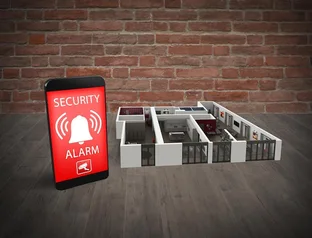
Early warning systems for smart home security
Home, Security and Technology
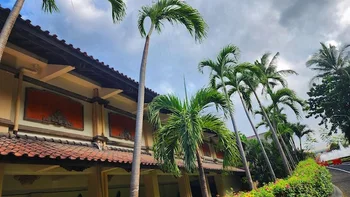
Tips to secure your investment when buying property in Costa Rica
Home, Security and Technology
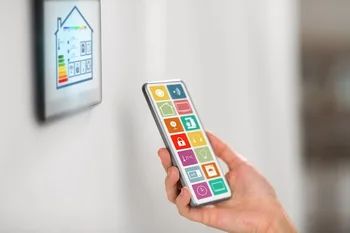
Innovation in security systems for smart homes

Home, Security and Technology
Redefining home security with smart mesh technology
Most viewed in Home

Home, Furniture
Furniture that promotes the art of rest and disconnection

Home, Furniture
How to select furniture that reinforces your investment in Costa Rica
Home, Essential Appliances
Appliances that ensure functionality and style in your home
Home, Security and Technology
Early warning systems for smart home security