
Legal aspects to ensure your home purchase without surprises
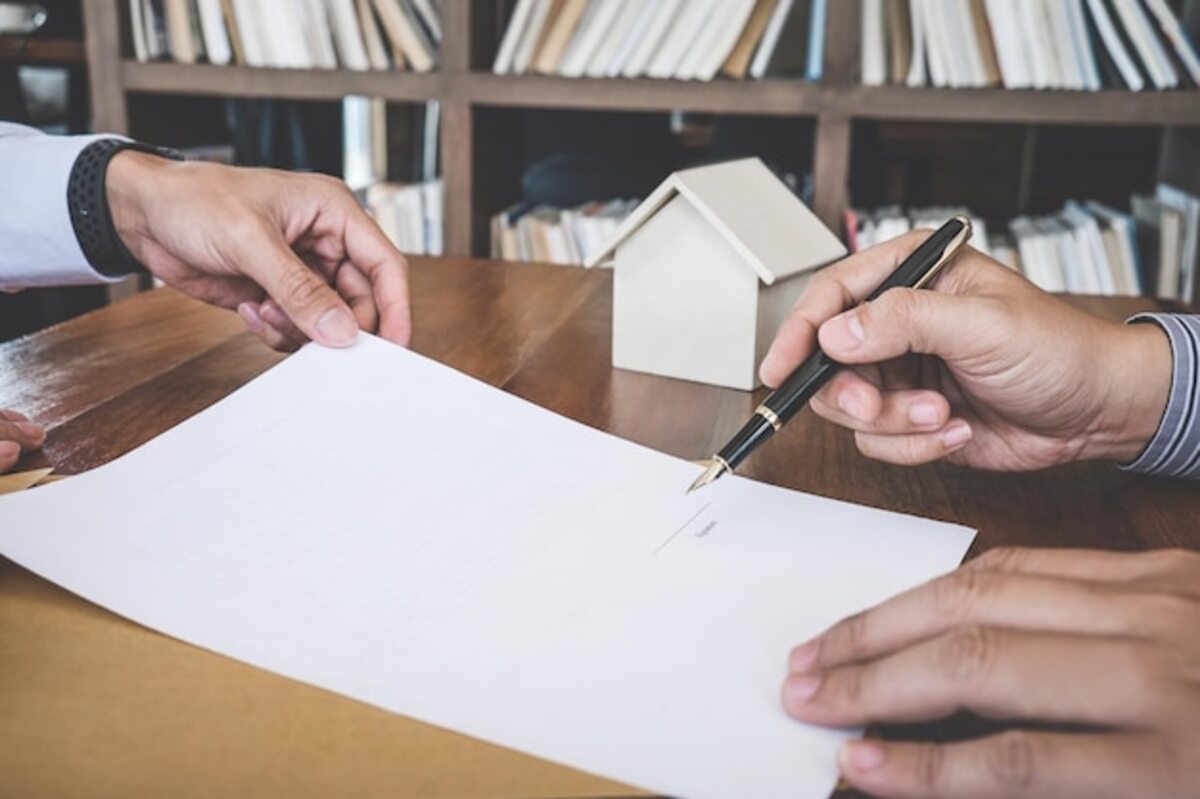
Securing your home purchase in Costa Rica can be a complicated process, especially if you are not familiar with the legal aspects that can affect your investment. Abusive clauses have become common in real estate contracts, which could lead to unpleasant surprises when acquiring your new home. In this article, we will provide you with key information to identify and avoid these issues, thus ensuring a safe and worry-free purchase.
What are abusive clauses in housing contracts?
Abusive clauses in housing contracts are provisions that impose disproportionate or unfair conditions on one of the parties involved, usually the buyer. In many cases, these clauses are not obvious and may be written in a confusing manner, making them difficult to understand. For example, they may include excessive penalties for breach, limitations on consumer rights, or conditions that disproportionately favor the seller. Recognizing these clauses is essential to avoid unfavorable financial commitments that may arise after signing the contract.
To identify abusive clauses, it is advisable to read each section of the contract carefully and seek legal advice if you encounter terms that you do not fully understand. Additionally, there are regulations in Costa Rica that govern these types of practices in real estate contracts, allowing buyers to challenge clauses they consider unfair. Being informed about your rights as a consumer will empower you to negotiate better terms and ensure a safer and more transparent purchasing experience.
Advertisements
How to identify abusive clauses before signing
When starting the process of purchasing a home, it is crucial to read each clause of the contract carefully. Abusive clauses are those that disproportionately favor one party, typically the seller or developer, and may include unfavorable conditions such as excessive penalties for breach, limitations on the buyer's rights, or the imposition of hidden costs. To identify them, it is advisable to pay attention to vague or ambiguous terms that could be interpreted to the buyer's detriment. Additionally, it is always recommended to compare different contracts and seek legal advice if anything is unclear.
Another important indicator for detecting abusive clauses is the analysis of the obligations and rights established in the contract. If you notice that the buyer is required to make an excessive commitment without equivalent guarantees offered by the seller, this could be a sign of a problematic clause. It is also essential to pay attention to the fine print: often, the most harmful details are hidden in less visible sections of the document. Finally, informing yourself about local regulations and consumer rights can provide you with a better perspective on what is considered abusive in your particular situation, allowing you to make more informed decisions before signing any agreement.
Buyer’s rights: Protecting you against the unexpected
The buyer's rights are fundamental to ensuring a fair and transparent transaction in the process of acquiring a home. In Costa Rica, the legislation protects buyers through various regulations that govern the real estate market. Among these rights is the seller's obligation to provide truthful information about the legal and physical status of the property, as well as the guarantee that there are no liens or hidden debts that could affect your investment. Knowing and exercising these rights empowers you to make an informed and secure purchase.
It is also crucial to be attentive to clauses that could limit your rights as a buyer. Many contracts include provisions that may seem harmless but can actually strip you of certain benefits or protections. For example, some clauses may set excessively short deadlines for filing claims or require responsibilities that are not clearly defined. Be sure to review every detail of the contract and consider seeking appropriate legal advice before signing any document. This will not only protect you against the unexpected but will also allow you to fully enjoy your new home without additional worries.
Common clauses to avoid when buying a property
When acquiring a property, it is essential to pay attention to the clauses that may appear in the purchase agreement. Some of them can be detrimental to the buyer if not carefully analyzed. For example, clauses that limit the seller's liability in the case of hidden defects are especially problematic. These stipulations could exempt the seller from any fault if a structural or legal issue is discovered after the transaction, leaving the buyer with the costs and complications that this entails. It is essential to demand clear guarantees and a reasonable timeframe for the seller to respond to potential issues.
Another clause to avoid is one that imposes disproportionate penalties for breach of contract execution. In many cases, these penalties can be excessive and put the buyer in an unfavorable situation if unforeseen circumstances arise during the purchasing process. Additionally, it is important to review the conditions regarding the payment method; some clauses may require advance payments or non-refundable deposits that are not standard in real estate practices. Before signing any document, make sure to have a legal advisor who can help you identify and negotiate these clauses, thus ensuring a safer and more transparent experience when buying your home.
Legal steps to challenge abusive clauses
To challenge abusive clauses in a home purchase contract, it is essential to follow a well-defined legal process that allows you to protect your rights as a consumer. First, you must identify the clauses you consider unfair or disproportionate. This may include conditions that limit your rights, increase your obligations without justification, or include excessive penalties. Once identified, it is advisable to gather all relevant documentation and seek specialized legal advice in real estate law to assess the viability of your case.
The next step is to file a formal complaint with the competent authority, such as the Consumer Defender or the Public Services Regulatory Authority. This procedure may include mediation between the parties and, if a satisfactory agreement is not reached, it may be necessary to take the case to judicial instances. It is important to keep in mind that having solid evidence and clear arguments will strengthen your position throughout the process. Additionally, maintaining constant communication with your lawyer and following their recommendations will be crucial to navigate this legal experience successfully and minimize potential setbacks.
The importance of legal advice in real estate transactions
Legal advice in real estate transactions is essential to protect your interests and ensure that the purchase of your home is carried out transparently and safely. A lawyer specialized in real estate law can help you review contracts, identify abusive clauses, and ensure that all documents are in order before signing. This meticulous review can prevent unpleasant surprises, such as issues with the property's title or hidden encumbrances that could affect your long-term investment. Without proper legal advice, you could face complicated situations that not only pose a financial risk but also significant emotional stress.
In addition, having a legal expert allows you to navigate the regulatory framework governing real estate transactions in Costa Rica. The law can be complex and is subject to change; therefore, being well-informed is crucial to avoid costly mistakes. A lawyer will not only guide you during the signing of the contract, but will also be able to offer you advice on issues such as taxes, buyer's rights, and potential litigation related to the property. In summary, investing in legal advice is a smart decision that ensures a smoother and safer buying experience, giving you the peace of mind needed to enjoy your new home without future worries.
Detailed contract review: What to specifically look for
The review of the purchase contract is a crucial step that should not be taken lightly. When analyzing the document, it is essential to pay attention to clauses that may seem harmless but can actually have significant implications for your investment. Look for terms related to the delivery of the property, payment deadlines, and conditions for default. Ensure that the stipulated timelines are reasonable and fair, and check for disproportionate penalties that could compromise your financial capacity. It is also advisable to confirm that all verbal agreements are reflected in writing in the contract.
Another fundamental aspect of reviewing the contract is to ensure that it is duly signed by all parties involved and that it contains clear information about the legal status of the property. This includes checking for any liens or mortgages that could affect your future ownership. Additionally, do not forget to review the specifications regarding utilities and any restrictions on the use of the property, whether imposed by the community or the seller themselves. A thorough analysis will allow you to detect potential surprises before signing and will ensure a safe and satisfactory purchase without unpleasant surprises.
Consequences of accepting abusive clauses without questioning
Accepting abusive clauses without questioning can have serious consequences for home buyers. First, these clauses often include conditions that limit the buyer's rights or impose disproportionate obligations, such as excessive penalties for non-compliance. This can result in a complicated financial situation, where the person is forced to comply with terms that were not adequately negotiated, which could lead to the loss of their initial investment or even more serious legal issues.
Additionally, accepting these clauses without question can affect the relationship between the buyer and the seller. When conflicts arise due to different interpretations of a contract laden with abusive clauses, resolution can be difficult and costly. Legal disputes can drag on for months or years, causing emotional and financial stress for the buyer. Therefore, it is crucial to read each part of the contract carefully and seek legal advice if necessary; this way, you will avoid falling into traps that could turn your dream of owning a home into an endless nightmare.
Real examples of cases with abusive clauses in Costa Rica
One of the most common cases of abusive clauses in Costa Rica occurs in contracts that include disproportionate penalties for non-payment. There are situations where excessive fines are stipulated if the buyer is unable to meet a payment on time, creating an unsustainable financial burden. For example, some contracts impose penalties of 20% of the total amount of the house, which is excessive and could lead the buyer to lose their investment without reasonable justification. These types of clauses are not only harmful to the consumer, but they can also be considered illegal under Costa Rican law.
Another common example involves clauses that limit the buyer's rights over the property. In certain cases, stipulations are included that allow the seller to make modifications to the home without the buyer's consent, which can affect both the value and the quality of the purchased home. Imagine buying an apartment and later discovering that the developer has the right to change the common areas or to build new adjacent units without your approval. These types of practices, in addition to being ethically questionable, can undermine your rights as an owner, and it is crucial to detect them before signing any contract.
Resources available for buyers affected by abusive clauses
If you are affected by abusive clauses in a housing purchase contract, it is essential to know that there are resources available to you. One option is to go to the Consumer Protection Agency, where you can present your case and receive guidance on the steps to take. This agency has the ability to assess your situation and provide legal advice so you can defend your rights as a buyer. Additionally, many professional associations and non-governmental organizations also offer free or low-cost legal services that can be very helpful. Another important avenue is to turn to the Judiciary, where you can file a lawsuit if you believe that the abusive clauses have caused significant harm in your purchasing process. It is advisable to have the support of a lawyer specialized in real estate law to assist you in these types of procedures, thus ensuring proper legal representation before the competent authorities. Being informed about your rights and the available resources will enable you to act confidently and protect your investment in the home you desire so much.
Knowing these resources not only empowers buyers but also raises awareness of the importance of negotiating fair terms before signing any contract. Always remember to read each clause carefully and don't hesitate to seek legal advice when necessary; this can make the difference between a successful purchase or facing unwanted surprises in the future.
Advertisements
More in Abusive Clauses

Legal Aspects, Abusive Clauses
Protect your investment: keys to identify misleading clauses

Legal Aspects, Abusive Clauses
How to secure a housing contract free of abusive clauses

Legal Aspects, Abusive Clauses
Abusive clauses in home buying and how to avoid legal conflicts.
Legal Aspects, Abusive Clauses
Legal aspects that ensure a safe home purchase
Most viewed in Legal Aspects

Legal Aspects, Deeds
Legal consequences of errors in the drafting of deeds
Legal Aspects, Deeds
Implications of the lack of signature on legal documents

Legal Aspects, Deeds
Importance of writing in the protection of property rights
Legal Aspects, Deeds
The impact of typographical errors in legal writings.