
Legal advice to avoid problems when buying a home
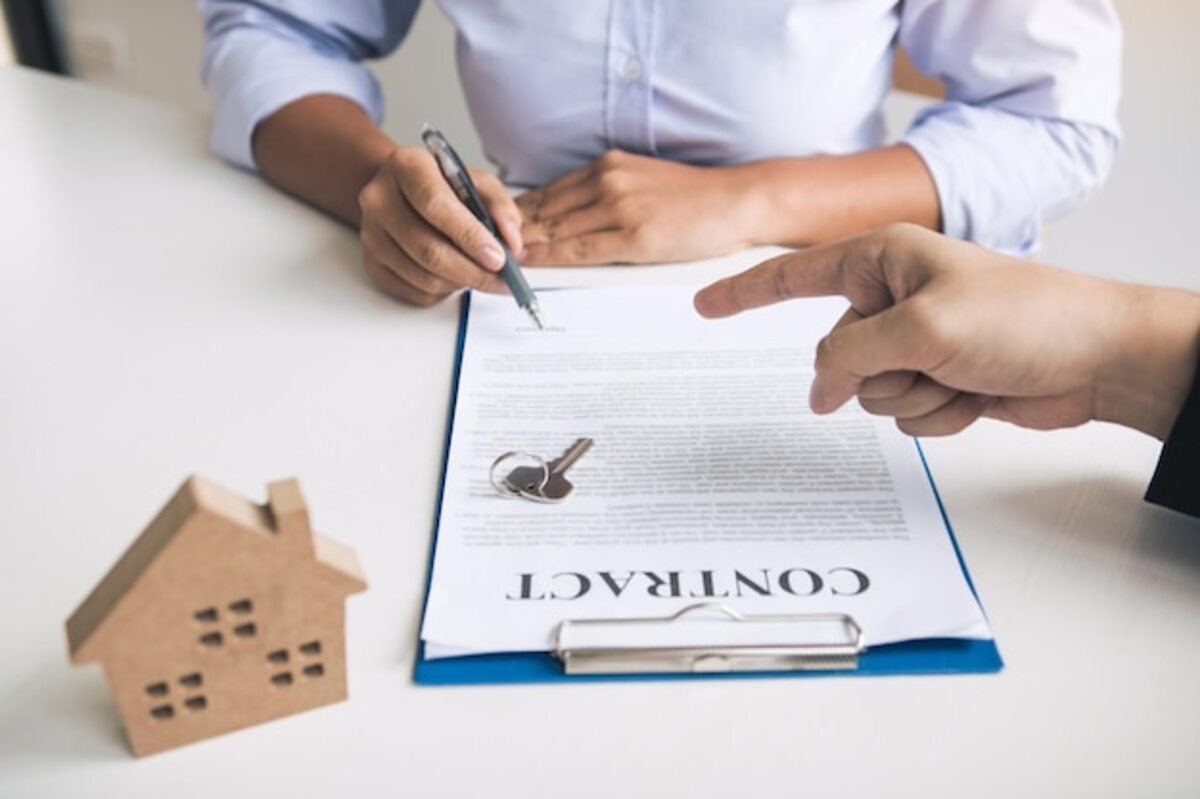
The purchase of a home is one of the most important steps in anyone's life, but it can also be a source of legal complications if the contracts involved are not handled properly. In this article, we will provide you with practical legal advice to help you avoid issues during the process of acquiring your new home. With a clear and direct approach, you will learn to navigate the legal maze with confidence and security, thereby protecting your investment and ensuring that your dream becomes a reality.
The importance of reviewing the contract before signing
A thorough review of the contract before signing is a crucial step in the home buying process. This document not only establishes the terms of the transaction but also protects your rights as a buyer. By carefully reading each clause, you can identify potential drawbacks or unfavorable conditions that could affect your long-term investment. Ignoring this step can lead to unpleasant surprises, such as hidden costs or restrictions on the use of the property, which could result in future conflicts.
It is also advisable to seek the advice of a real estate attorney during this review. An experienced professional can help you interpret complex legal terms and ensure that the contract aligns with your interests. Do not underestimate the importance of this aspect; a good negotiation and understanding of the contract can make the difference between a successful purchase and a process filled with legal issues. Spending time and effort on this review will not only give you peace of mind but will also allow you to make informed decisions about your future home.
Advertisements
Key aspects of a sales contract
When dealing with a sales contract, it is essential to pay attention to certain key aspects that can make the difference between a smooth transaction and a future filled with complications. First, ensure that all clauses of the contract are clear and specific. This includes details about the agreed price, the method of payment, and the deadlines established for the delivery of the property. It is also crucial to carefully review the conditions related to possible penalties in case of breach by any of the parties. A well-structured contract will not only protect your rights as a buyer but also prevent misunderstandings that could lead to legal disputes.
Another important aspect is the verification of the legal status of the property. Make sure that the seller has all the rights to the property and that it is free of encumbrances or liens. Request a certificate of free of liens and check if there are any pending litigations related to the property. Additionally, consider including a clause in the contract that allows for a pre-purchase inspection, enabling you to assess the physical condition of the property before finalizing any agreement. By addressing these key points in your contract, you will be taking proactive measures to safeguard your investment and facilitate a safer transition to your new home.
Common mistakes when negotiating real estate contracts
When negotiating real estate contracts, one of the most common mistakes is not reading the document carefully before signing it. Many people tend to trust the words of the real estate agent or the seller, assuming that everything stated in the contract is fair and correct. This lack of attention can lead to unpleasant surprises, such as hidden clauses or unfavorable conditions that can impact the purchase. It is essential to take the necessary time to review each point of the contract and, if possible, seek the advice of a lawyer specialized in real estate who can clarify confusing terms and ensure that your rights are protected.
Another common mistake is not considering all the costs associated with purchasing a home. Most people focus only on the sale price, overlooking additional expenses such as taxes, closing fees, and utility costs that can add up quickly. Additionally, some buyers ignore the legal implications of assuming specific conditions regarding repairs or improvements to the property. Before finalizing any deal, it is crucial to evaluate all these aspects and ensure they are clearly stipulated in the contract to avoid future conflicts and guarantee a satisfactory experience in your new acquisition.
Essential clauses that must not be missing in your contract
When drafting a real estate purchase and sale contract, it is essential to include clauses that protect both the buyer and the seller. Among the most important are the price and payment method clause, which details the total amount to be paid and the conditions under which the transaction will take place. This not only prevents misunderstandings but also establishes a clear framework for any potential additional negotiations or adjustments in the future. Additionally, it is crucial to incorporate a clause regarding the condition of the property, specifying whether the property is sold as is or if there are commitments regarding repairs or improvements.
Another key clause is the delivery and possession clause, which specifies when and how the buyer will take possession of the property. This section should address logistical aspects such as the exact delivery date and any potential costs associated with the transfer of ownership. Equally important is to include a dispute resolution clause, which outlines the mechanisms to be followed in case of discrepancies between the parties. With these clauses clearly defined, you can avoid unpleasant surprises and ensure a smoother and safer purchase, allowing you to enjoy your new home without worries.
How to identify adverse conditions in a contract
Identifying adverse conditions in a home purchase contract is a crucial step to protect your investment and avoid unpleasant surprises. One of the first signs to consider is clauses that seem excessively restrictive or disproportionate. For example, if the contract includes severe penalties for failing to meet deadlines that are unreasonable, this may indicate that you are facing an adverse condition. Additionally, check for provisions that limit your rights as a buyer, such as waiving certain claims or return rights. It is always advisable to read each section carefully and question any terms you do not fully understand.
Another aspect to consider is the clarity in the description of the property and its conditions. Ensure that the contract includes precise details about the property, such as its current state, any known deterioration, and the seller's obligations regarding necessary repairs before delivery. If you encounter ambiguities or a lack of concrete information about these aspects, you could be facing an adverse condition that jeopardizes your legal and financial security. Do not hesitate to request clarifications from the seller or consult a legal professional to resolve all your doubts before signing the final contract.
The role of the lawyer in home purchasing: why is it essential?
The role of the lawyer in the home buying process is essential for various reasons that go beyond merely signing documents. First, a lawyer specialized in real estate law has the knowledge and experience necessary to review all contracts and agreements related to the transaction. This includes not only the purchase agreement but also additional documents such as deeds, mortgages, and any liens or encumbrances that may affect the property. By having their advice, you can identify unfavorable clauses and ensure that your rights are protected from the beginning to the end of the process.
Additionally, a lawyer can be your best ally during negotiations. Their expertise allows them to interpret complex legal language and facilitate communication between the parties involved. If disputes or unexpected issues arise, having a professional by your side can make a difference in how these situations are resolved. Therefore, investing in the services of a lawyer when purchasing a home not only provides you with peace of mind but also strengthens your legal position against potential inconveniences in the future.
Legal consequences of breaching a sales contract
The breach of a sales contract can have serious legal consequences for both parties involved. Firstly, the party that breaches the contract could face lawsuits for damages, which may include the return of the initial deposit or even the payment of additional compensation. Such legal actions not only generate economic costs but can also affect the credit and personal reputation of the breaching party, complicating future financial or real estate transactions. It is essential to understand that each contract has its own clauses regarding the consequences of a potential breach, so it is crucial to read and comprehend all terms before signing.
Additionally, if one party decides to file a lawsuit for breach of contract, the legal process can become lengthy and costly. This often involves the intervention of lawyers and potential trials, where the evidence presented will be evaluated. Therefore, it is advisable to seek legal counsel before taking any action that may involve breaking the contract. Properly protecting oneself from the outset with clear clauses regarding cancellations and specific conditions can help mitigate future risks. Thus, by being well-informed and prepared, you can avoid legal issues that could jeopardize your investment in the purchase of a home.
Rights and obligations of the buyer in the contract
When purchasing a home, it is crucial for the buyer to be well-informed about their rights and obligations stipulated in the purchase agreement. Among the fundamental rights are the guarantee of receiving the property in the agreed conditions, as well as the possibility of requesting complete information about the legal status of the property. The buyer has the right to carry out due diligence such as inspections and audits prior to the purchase, ensuring that there are no liens or encumbrances that could affect their investment. Knowing these rights allows for greater security and confidence throughout the process.
On the other hand, it is also important for the buyer to be aware of their contractual obligations. These may include meeting the deadlines established for the delivery of documents, making payments on time and in the proper form, as well as accepting the agreed conditions for the signing of the final contract before a notary. Ignoring these responsibilities can lead to legal complications or even the loss of the desired property. In this sense, obtaining proper advice before signing any document is key to ensuring that all parties fulfill what was agreed, thus facilitating a smoother transaction and avoiding future conflicts.
Legal process in case of disputes arising from the contract
The legal process regarding conflicts arising from a home purchase contract can be complex and exhausting. It is essential that, in the event of disputes, both parties attempt to resolve the issue through direct communication first. Often, misunderstandings or unmet expectations can be resolved through open dialogue. However, if this is not effective and the escalated situation requires legal intervention, it is crucial to have the support of a real estate attorney who can guide you through the corresponding judicial process. While litigation can be an option, it is advisable to explore alternatives such as mediation or arbitration before proceeding to court. These methods are often quicker and less costly than a prolonged legal battle. Additionally, maintaining thorough documentation of the purchase process, as well as all prior agreements and any communication related to the conflict, will be invaluable to support your position should a more formal resolution be necessary. Proper preparation can make the difference between successfully moving forward with your new acquisition or facing unnecessary complications.
Necessary documentation for a secure transaction
When making a home purchase transaction, having the proper documentation is essential to ensure that the process is safe and legal. Among the essential documents are the title deed, which verifies the seller's legitimacy over the property; the purchase agreement, which outlines the conditions agreed upon by both parties; and the encumbrance certificates, which ensure that there are no debts or liens on the property. Additionally, it is advisable to request a cadastral report that confirms the actual status of the property in question and its official valuation. Having these documents ready will help you avoid future conflicts and ensure that you are making a secure investment.
Another crucial aspect is to keep a signed copy of all relevant documents throughout the process. This includes payment receipts, additional agreements, and any written communication with the seller or involved agents. Also, make sure to verify the seller's identity and their legal capacity to sell the property. If in doubt, consulting a real estate lawyer can be an excellent option to review all documentation before closing the deal. This way, you not only protect your investment but also ensure compliance with all legal regulations required in your locality.
Advertisements
More in Contracts
Legal Aspects, Contracts
Consequences of non-compliance in commercial contracts

Legal Aspects, Contracts
Consequences of the lack of formality in legal contracts

Legal Aspects, Contracts
Legal considerations to protect your home purchase

Legal Aspects, Contracts
Legal aspects that ensure an informed home purchase
Most viewed in Legal Aspects

Legal Aspects, Deeds
Legal consequences of errors in the drafting of deeds

Legal Aspects, Deeds
Implications of the lack of signature on legal documents

Legal Aspects, Deeds
Importance of writing in the protection of property rights
Legal Aspects, Deeds
The impact of typographical errors in legal writings.