
Legal aspects in real estate purchase that guarantee your peace of mind
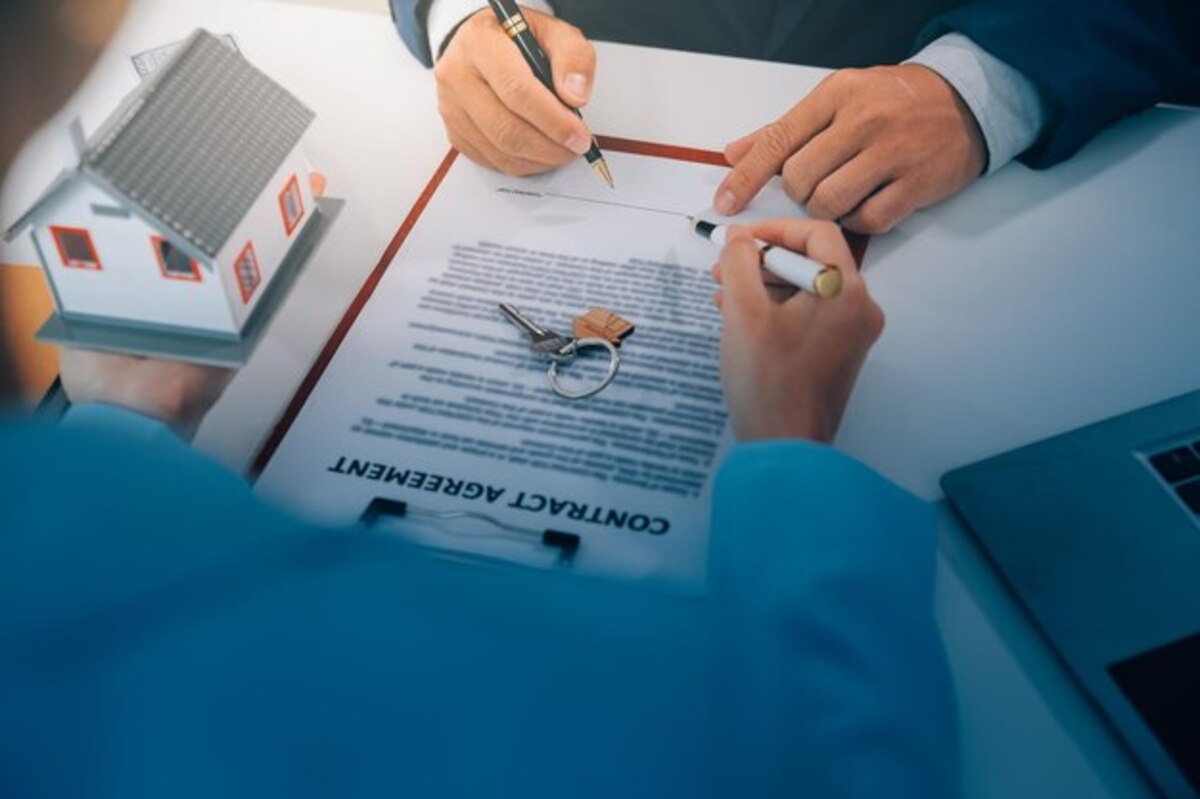
Acquiring a property is one of the most important decisions in life, and understanding the legal aspects surrounding it is essential to ensure your peace of mind. In this article, I will guide you through the legal responsibilities you should consider when buying property in Costa Rica, ensuring that your investment is protected and free from unpleasant surprises. With clear and accessible information, you will be able to make informed decisions and enjoy your home without worries.
The importance of a clean title: What to check?
The cleaning of the property title is a crucial aspect in the purchase of a property, as it guarantees that the seller has the legal right to sell the property and that it is not subject to claims or liens. To ensure this, it is essential to verify that the title is properly registered in the Registro Nacional, which involves checking for any mortgages, liens, or pending litigation. Additionally, it is advisable to request a certificate of freedom from liens and a registration search to corroborate the current status of the property and avoid future surprises.
Another vital point to consider is the existence of encumbrances or limitations on the land, such as easements that could affect your use and enjoyment of it. It is important to assess the zoning restrictions imposed by local authorities, as well as the development plans in the area that could influence your investment. By having clarity on these legal aspects and conducting the necessary checks before closing any deal, you not only protect your investment but also ensure a smoother and more satisfying experience when becoming the owner of your new home.
Advertisements
Contracts: Keys to Secure Your Purchase
When acquiring a property, one of the most critical aspects to consider is the contracts governing the transaction. A well-drafted contract not only protects your interests as a buyer but also establishes the clear conditions under which the purchase will take place. It is essential that the document includes accurate information about the seller, the property, the price, and any special conditions agreed upon by the parties. Additionally, ensure that the contract contains clauses addressing possible contingencies, such as obtaining financing or completing a satisfactory inspection of the property. This will provide you with a solid legal framework in case of any eventuality.
Another crucial aspect is the thorough review of the contract by a real estate attorney before signing it. This professional can identify unfavorable clauses or confusing terms that could jeopardize your investment. It is also advisable to verify that all necessary documents are attached and authentic, such as the title deed and the certificates related to any existing liens or encumbrances on the property. By ensuring that every detail is correctly stipulated in the contract, you will be taking a solid step towards a successful purchase free of future complications.
Taxes and fees to consider when buying
When buying a property, it is essential to consider the taxes and fees that may affect the total cost of your investment. In Costa Rica, the property tax, known as "impuesto territorial," is calculated annually and is based on the value of the land and the construction. This tax can vary depending on the location and characteristics of the property, so it is crucial to consult with a professional to estimate this additional burden. Additionally, there are other associated costs, such as the transfer tax that applies when the property changes ownership.
Another aspect to consider is the notarial and registration fees. When formalizing the purchase of a property through a public deed, you will need to pay fees to the notary who carries out the transaction. These costs are usually a percentage of the property's value and can vary significantly between different notaries. Additionally, once the deed is signed, you must register the change of ownership in the Registro Nacional, which also involves a fee that should be accounted for in your budget. Having clarity about these taxes and fees will allow you to better plan your finances and avoid surprises during the acquisition process.
Buyer’s rights: What you need to know
The buyer's rights are fundamental in the property acquisition process, as they ensure protection and transparency at every stage of the transaction. As a buyer, you have the right to receive clear information about the legal status of the property, including any liens or encumbrances that may affect your investment. Likewise, you can demand that the necessary due diligence be carried out to verify the ownership of the property and ensure that there are no hidden legal issues. Knowing these rights empowers you to make informed decisions and avoids unpleasant surprises in the future.
Additionally, it is important to highlight that as a buyer you have the right to a fair and equitable contract. This document should detail all relevant aspects of the purchase, including the agreed price, payment conditions, and established deadlines for the delivery of the property. You also have the right to request modifications if you believe that any clause does not align with your interests. Remember that having the appropriate advice when signing any agreement will help protect your rights and ensure a smoother and safer buying experience.
Seller's responsibilities: What do they guarantee?
The seller's responsibilities are a crucial component in the property buying process. Firstly, the seller must ensure that they are the legitimate owner of the property and have the right to sell it. This includes presenting all necessary documentation, such as deeds and certificates of tradition, that demonstrate there are no liens or outstanding mortgages on the property. By ensuring that these documents are in order, legal risks for the buyer are minimized, and a solid foundation for the transaction is established.
Additionally, the seller is obligated to disclose any known defects in the property that may affect its value or habitability. This includes structural issues, leaks, or any other situation that could pose a risk to the new owner. Transparency at this stage is essential to avoid future conflicts or disappointments. By fulfilling these responsibilities, the seller not only protects their own interests but also those of the buyer, contributing to a safer and more satisfying purchasing experience.
Deeds and their proper formalization
The proper formalization of deeds is an essential aspect of the process of purchasing a property. This document not only establishes the transfer of ownership between the seller and the buyer, but also ensures that all terms of the agreement are fulfilled. It is crucial that the deeds are drafted by a lawyer specialized in real estate law, who will guarantee that all legal details are correctly included and will avoid future conflicts. In this way, you ensure that the property is free of encumbrances and liens, which is crucial for your peace of mind.
Once the deeds are signed, their registration in the National Registry is another essential step to formalize the transaction. This registration provides the new owner with legal protection against possible future claims on the property. Furthermore, having a properly registered deed serves as conclusive evidence of your rights over the property before any authority or public entity. Therefore, taking the time to review and properly formalize the deeds will allow you to enjoy your new investment with confidence and security, knowing that you have taken all the necessary measures to protect your assets.
The role of the lawyer in the purchasing process
The role of the lawyer in the property purchase process is crucial to ensure that each step is carried out legally and transparently. A lawyer specialized in real estate will not only guide you through the complexity of the process but will also take care of verifying the necessary documentation, such as the title deed, existing encumbrances, and the legal background of the property. Their experience will allow you to avoid potential future problems that could arise from omissions or errors in the documentation, which is essential to guarantee your peace of mind when making such a significant investment.
Additionally, a lawyer can assist you in drafting and reviewing contracts, ensuring that all terms are clear and fair for both the buyer and the seller. This includes negotiating specific clauses that protect your interests and defining the conditions under which the transaction will take place. Having a professional who is aware of local and national regulations will provide you with greater legal security, allowing you to focus on enjoying your new property without fear of unexpected legal complications.
Common problems in real estate purchases and how to avoid them
When acquiring a property, it is common for problems to arise that can generate stress and unexpected complications. One of the most frequent issues is the lack of clarity in the property's documentation, which can lead to future legal problems. To avoid this, it is crucial to conduct thorough research on the property. This includes checking for any liens or encumbrances in the public registry and ensuring that the seller has full ownership of the asset. Having a lawyer specialized in real estate can be a valuable investment to navigate these legal aspects and ensure that all documents are in order before proceeding with the purchase.
Another common problem is not adequately considering the physical condition of the property. Many times, a thorough technical inspection is overlooked, which can result in costly surprises after the purchase. It is advisable to hire a professional inspector to evaluate the property and detect possible structural damages or necessary repairs. This way, you will have a clear view of the future costs associated with the maintenance of the property, thereby avoiding unexpected expenses that could affect your peace of mind and your family's budget in the long term. Always remember to prioritize transparency and professional advice to ensure a satisfactory and trouble-free purchase.
Due diligence: A crucial process before closing a deal
Due diligence is an essential process that every buyer must undertake before closing a real estate deal. This procedure involves a thorough review of all the legal and physical aspects of the property in question. This includes verifying the status of the property title, ensuring that there are no liens or encumbrances that could affect the purchase, and confirming that the documents related to the property are in order. It is also advisable to conduct physical inspections to identify potential structural or maintenance issues. Carrying out proper due diligence will not only protect you legally but will also provide you with a clear understanding of the actual condition of the property.
Additionally, due diligence provides an opportunity to negotiate more favorable terms before finalizing the agreement. If irregularities or potential issues are detected during this process, you can use this information to request repairs from the seller or adjust the sale price. It is vital to involve professionals such as lawyers and appraisers during this stage, as their expertise can be key in identifying aspects that may be overlooked. By investing time and resources in due diligence, you will be taking an important step towards a safe and smooth purchase, thereby ensuring your peace of mind in this significant financial transaction.
Legal consequences for non-compliance in the purchase
The lack of compliance in the purchase of a property can lead to serious legal consequences that go beyond mere inconveniences. From the possibility of losing the deposit paid to facing lawsuits for breach of contract, the repercussions can be devastating. In many cases, the seller may choose to terminate the contract and claim damages, which entails additional costs and, at times, an extended legal battle that consumes time and resources. Therefore, it is essential to know your rights and obligations when closing a deal.
It is also crucial to keep in mind that legal consequences not only affect buyers; they can also impact sellers if they do not comply with what was agreed upon. This includes situations such as the failure to deliver the property in the agreed conditions or unjustified delays in the closing process. The law protects both parties, and any breach can lead to penalties or fines. Therefore, having proper legal advice from the beginning of the purchasing process is vital to prevent future problems and ensure that all clauses of the contract are adequately respected.
Advertisements
More in Legal Responsibilities

Legal Aspects, Legal Responsibilities
Legal aspects that ensure transparency in your home purchase

Legal Aspects, Legal Responsibilities
Legal aspects in home buying: avoid common mistakes

Legal Aspects, Legal Responsibilities
Legal aspects that ensure a hassle-free home purchase

Legal Aspects, Legal Responsibilities
Legal aspects to consider when buying your ideal home.
Most viewed in Legal Aspects

Legal Aspects, Deeds
Legal consequences of errors in the drafting of deeds

Legal Aspects, Deeds
Implications of the lack of signature on legal documents

Legal Aspects, Deeds
Importance of writing in the protection of property rights
Legal Aspects, Deeds
The impact of typographical errors in legal writings.