
Legal aspects that guarantee your home purchase without surprises
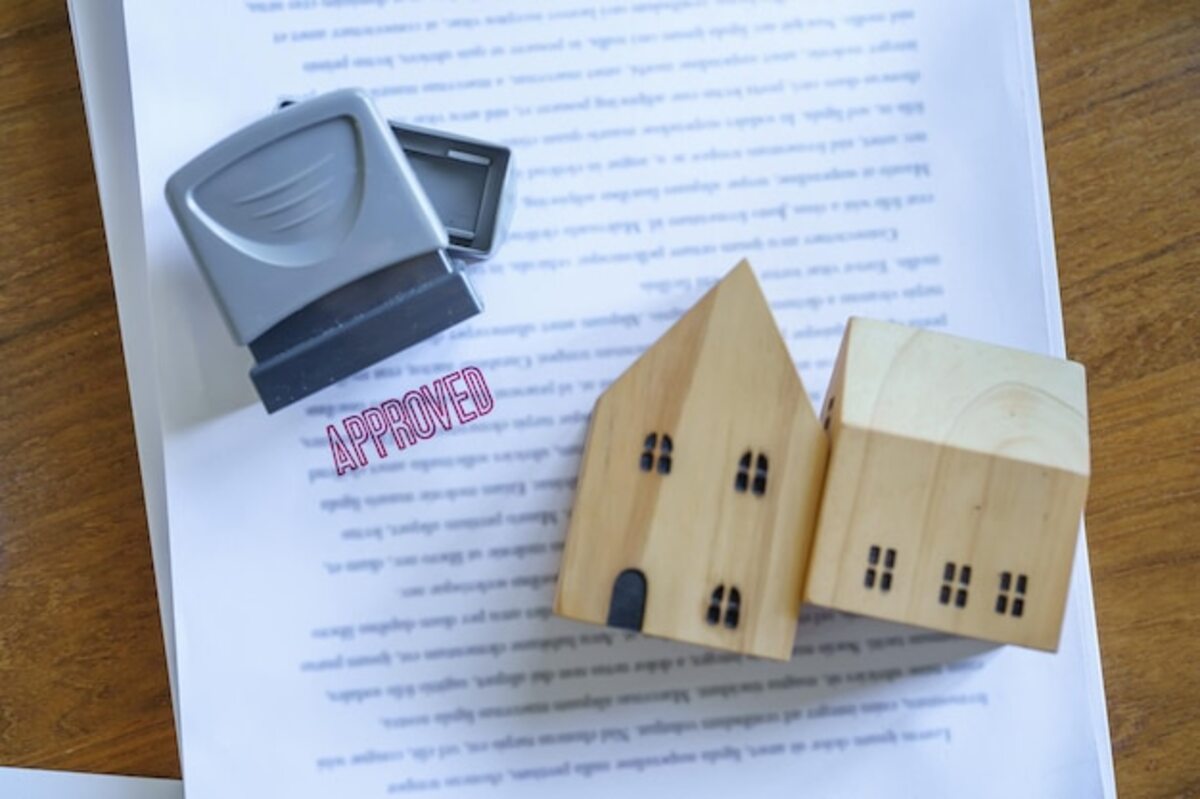
Buying a home is one of the most important decisions in anyone's life, and ensuring that this process goes smoothly without unpleasant surprises is essential. In Costa Rica, understanding the legal aspects that support your investment will allow you to make informed and secure decisions. This article will guide you through the key elements you should consider to protect your rights as a buyer and ensure that your new home is a place to build memories, free from worries or legal complications.
The importance of the sales contract: what should it include?
The purchase agreement is an essential document in the process of acquiring a home, as it establishes the conditions and terms under which the transaction takes place. To ensure that your purchase is secure, this contract must include detailed information about the parties involved, a precise description of the property, the agreed price, and the payment terms. Additionally, it is crucial that deadlines for the delivery of documents and the possession of the property are specified, as well as any clauses regarding possible penalties for non-compliance. A well-drafted contract not only protects your rights as a buyer but also prevents future misunderstandings.
Another vital aspect that must be considered in the purchase agreement is the warranties offered by the seller. This includes ensuring that the property is free of liens or legal encumbrances, as well as verifying its physical and legal condition. It is also important to establish what happens in case issues arise after the purchase, such as hidden defects or disputes over property boundaries. Including specific clauses regarding these warranties can give you peace of mind knowing that you have legal remedies available if something does not go as planned. In summary, a comprehensive and clear contract not only facilitates a smooth transaction but also provides you with a solid foundation to fully enjoy your new home without unwanted surprises.
Advertisements
Title verification: how to ensure that the property is free of encumbrances.
Title verification is a crucial step in the property purchasing process, as it ensures that the home is free of encumbrances or liens that may affect your rights over it. To achieve this, it is essential to conduct a thorough search in the corresponding public registry, where you can obtain information about the legal status of the property. This process includes checking for any mortgages, liens, or any type of limitation that could compromise your investment. Having the advice of a lawyer specialized in real estate can be very helpful in correctly interpreting the documents and ensuring that everything is in order.
In addition to reviewing existing liens, it is essential to verify the identity of the seller and their legal capacity to transfer ownership. Ensure that the title holder is who they claim to be and that there are no pending legal disputes related to the property. This involves requesting copies of the seller's identification and verifying their legal history. Conducting these due diligence measures not only protects your investment but also provides peace of mind knowing that you have taken all necessary precautions before closing such a significant deal as purchasing a home.
The role of the notary in the purchase of a home
The notary plays a crucial role in the home buying process, acting as a guarantor of the legality and transparency of the transaction. Their main function is to verify that all documents related to the property are in order and that there are no liens or encumbrances that could affect the home in the future. This includes reviewing the deeds, ensuring that the seller has legitimate rights to the property, and confirming that there are no unpaid debts associated with it. Without this notarial support, buyers could find themselves facing unexpected legal issues after making their investment.
In addition, the notary is responsible for formalizing the public deed of sale, which grants it legal validity in case of any eventuality. This document is essential for registering the property in the buyer's name in the National Registry, thus ensuring their ownership. By having a qualified notary, buyers have the peace of mind of knowing that they are complying with all necessary legal requirements. In this way, unpleasant surprises are minimized, and the investment made is protected, allowing individuals to fully enjoy their new home from day one.
Taxes and expenses associated with real estate acquisition
The acquisition of a property not only involves the cost of the property itself but also entails a series of taxes and additional expenses that are crucial to consider. In Costa Rica, buyers must be prepared to face the Property Transfer Tax, which is generally calculated based on the property's value. Additionally, it is important to take into account other expenses such as notary fees, registration costs, and any commissions associated with real estate agents. These elements can vary considerably depending on the location and type of property, so creating a thorough budget from the outset will help you avoid financial surprises.
There are also other recurring expenses that arise after the initial purchase, such as property tax (IBI) and costs related to utilities and maintenance. Knowing these expenses in advance will allow you to plan your long-term family budget. Also, remember to research if there are fees associated with properties in condominiums or housing developments, as these can significantly affect your monthly finances. By having a clear understanding of this financial landscape from the beginning, you will be able to make more informed decisions when acquiring your new home and thus enjoy a much smoother and safer process.
Buyer’s rights: what you need to know before signing
Before signing any home purchase contract, it is essential for the buyer to be fully informed about their rights. In Costa Rica, the Consumer Protection Law establishes that buyers have the right to receive clear and truthful information regarding the property they are acquiring. This includes details about the legal status of the property, any existing liens or encumbrances, and the specific conditions of the contract. Knowing these rights will allow you to make a safer purchase and be prepared for any eventuality.
It is also important to mention the right to warranty. When purchasing a new home, the buyer has the right to demand warranties for construction defects or issues related to the property for a specific period after the purchase. This aspect is crucial to protect your investment and ensure that any inconvenience can be addressed at no additional cost. Always make sure to review the terms and conditions related to warranties before signing, as this can make a significant difference in your experience as a new homeowner.
Common clauses in purchase and sale contracts and their legal impact
Common clauses in sales contracts are essential elements that ensure the protection of both parties involved in the transaction. Among them, provisions regarding the price and payment method, delivery timelines, as well as conditions related to the property's condition stand out. It is crucial that these clauses are clear and specific, as any ambiguity could lead to misunderstandings or subsequent conflicts. Additionally, including clauses about liability for damages or hidden defects can be crucial to safeguarding your interests as a buyer.
The legal impact of these clauses is significant, as they can define the outcome of a dispute if any issues arise after the purchase. For example, if a delivery deadline is established and it is not met, the buyer may have the right to seek compensation or even to rescind the contract. Additionally, having adequate warranties in case of structural or legal problems associated with the property can provide peace of mind to the buyer. Therefore, it is advisable to review every aspect of the contract carefully and consider professional legal advice before signing, thus ensuring a smoother and safer process in your real estate acquisition.
How to avoid real estate fraud: practical tips
When purchasing a home, it is crucial to be vigilant about potential real estate frauds that can jeopardize your investment. One of the first recommendations is to conduct thorough research on the seller and the property. Verify that the owner has the proper legal documentation and that there are no liens or encumbrances on the property. Check the National Property Registry to ensure that the information matches and that there are no hidden surprises in the property's history. Additionally, consider seeking the advice of a lawyer specialized in real estate, who can help you interpret legal documents and identify irregularities.
Another fundamental aspect is to avoid cash transactions or verbal agreements without documentary support. Always opt for secure and documented payment methods, such as bank transfers, to have a clear record of all operations conducted. Likewise, be wary of offers that are too good to be true; if a price is below market value, it could be a warning sign. Also, make sure to conduct a technical inspection of the property before finalizing the purchase. This will allow you to identify potential structural or legal issues that could affect your final decision and thus ensure an informed and secure purchase.
Due diligence: what to investigate before buying a property
Due diligence is an essential process that you must carry out before formalizing the purchase of a property. This thorough analysis encompasses various legal and financial aspects that can impact your decision. For example, it is crucial to verify the legal status of the property, ensuring that there are no liens, pending litigation, or title issues that could affect your future ownership. Additionally, you should investigate the building permits and regulatory compliance of the area to avoid surprises related to the use of the space.
Another important component of due diligence is assessing the physical condition of the property. This includes conducting inspections to detect potential structural damage or hidden issues that could require costly repairs in the future. It is also advisable to review the seller's background and their history in previous transactions; this will give you greater confidence in their reputation and transparency. In summary, taking the time for this research will not only protect you legally but will also help you make an informed and secure decision on your path to acquiring your new home.
Seller's responsibilities: what guarantees must be offered?
The seller's responsibilities are a crucial component in the home buying process, as they determine the guarantees offered regarding the property. A seller must ensure that the home is free of encumbrances or liens that may affect its use and enjoyment. This involves not only presenting a clear and current deed but also ensuring that there are no outstanding debts associated with the property, such as mortgages or overdue taxes. In this way, the buyer can be assured that they are acquiring an asset without hidden surprises that could trigger financial problems in the future.
It is also advisable for the seller to provide detailed information about the physical and legal status of the property. This includes disclosing any known structural issues, as well as compliance with local regulations and necessary permits for modifications or expansions. By offering these assurances, the seller not only protects their own legal interests but also establishes a trust relationship with the buyer. Ultimately, understanding these responsibilities is essential to ensure a successful and hassle-free long-term transaction in your new home.
Legal resources available to resolve disputes in home purchasing
The acquisition of a home can come with unforeseen issues that sometimes lead to disputes between the parties involved. In Costa Rica, there are legal resources that buyers can use to resolve these conflicts effectively. Among them are mediation and conciliation mechanisms, which allow the parties to reach an agreement without the need to go to court. These methods are not only faster and more cost-effective but also promote a collaborative environment that can help maintain positive relationships between the buyer and the seller.
In case mediation is not sufficient to resolve the dispute, the Costa Rican judicial system offers additional options such as filing civil or administrative lawsuits. Buyers have the right to assert their claims before a judge if they believe their rights have been violated during the purchasing process. Additionally, it is advisable to have specialized legal advice to navigate these instances and ensure that all procedures are carried out in accordance with the law. By knowing and utilizing these legal resources, you will be able to face any issues related to the purchase of your home with greater confidence and security.
Advertisements
More in Legal Responsibilities

Legal Aspects, Legal Responsibilities
Legal aspects that ensure transparency in your home purchase

Legal Aspects, Legal Responsibilities
Legal aspects in home buying: avoid common mistakes
Legal Aspects, Legal Responsibilities
Legal aspects that ensure a hassle-free home purchase

Legal Aspects, Legal Responsibilities
Legal aspects to consider when buying your ideal home.
Most viewed in Legal Aspects

Legal Aspects, Deeds
Legal consequences of errors in the drafting of deeds

Legal Aspects, Deeds
Implications of the lack of signature on legal documents

Legal Aspects, Deeds
Importance of writing in the protection of property rights
Legal Aspects, Deeds
The impact of typographical errors in legal writings.