
Legal aspects that protect your home purchase in Costa Rica

Are you ready to take the big step towards buying your home in Costa Rica? Knowing the legal aspects that protect your investment is essential to ensure a safe and smooth transaction. In this article, we will explore how notaries play a crucial role in this process, providing you with the necessary information to make informed decisions and avoid unpleasant surprises. Join us to discover your rights and obligations as a buyer, and make sure that your dream of owning your own home becomes a protected reality.
The importance of public writing in the buying and selling of properties.
The public deed is a fundamental document in the property sale process, as it provides legal security to both parties involved in the transaction. This document not only establishes the terms and conditions of the agreement but also guarantees the authenticity of the signature and the identity of the signers through the intervention of a notary public. In Costa Rica, this procedure is essential to ensure that the seller has the legitimate right to the property and that the buyer is acquiring what is truly being offered. Without a properly drafted and registered public deed, the parties run the risk of facing future legal conflicts or even losing their investment.
Moreover, public writing allows for the transmission of property ownership to be recorded in public registries, which is crucial for protecting the new owner against subsequent claims. By formalizing the sale through this document, a legal precedent is established that can be invoked in case of disputes. It also facilitates access to bank or mortgage financing by providing clear evidence of ownership of the acquired property. For all these reasons, having a well-drafted and registered public deed is not only a legal requirement but an indispensable tool to secure your purchase in the Costa Rican real estate market.
Advertisements
How to choose a reliable notary for your real estate transaction
When choosing a reliable notary for your real estate transaction in Costa Rica, it is essential to consider several factors that will help you ensure the security of your investment. First, check the reputation of the notary and their experience in the field of real estate transactions. You can consult reviews from other clients or look for references online to ensure that the professional has a positive track record. Additionally, it is advisable that the notary is properly accredited and registered with the Colegio de Abogados, which ensures their training and compliance with legal regulations.
Another important aspect to consider is the transparency in the costs and fees of the notary. Request a detailed breakdown of all expenses associated with the transaction before starting any procedures. This will not only provide clarity on what you are going to pay, but it will also help you avoid unexpected surprises during the process. Finally, establish good communication with your notary; feeling comfortable raising questions or concerns will contribute to a smoother and safer experience in your home purchase.
Essential documents required by the notary when buying a property
When purchasing a property in Costa Rica, it is essential to have the appropriate documentation that ensures the transparency and legitimacy of the transaction. The notary requires certain key documents that protect both your rights and those of the seller. Among these are the identification cards of the buyer and seller, as well as the certificate of freedom from liens, which verifies whether the property is free of encumbrances or attachments. It is also important to present the promise of sale agreement, if available, as this document outlines the conditions agreed upon by both parties before formalizing the final deed.
It is also essential to have a recent title study that demonstrates the current legal status of the property. This study provides information about previous owners and any possible litigation related to the property. Finally, if the property has mortgages or usufruct rights, these must be declared and documented properly to avoid future issues. Having all these documents ready will not only facilitate the process at the notary but also give you greater peace of mind knowing that your purchase is backed by a solid legal framework.
The role of the notary in verifying the legal background of the property
The notary plays a fundamental role in verifying the legal background of the property you wish to acquire. Their main responsibility is to ensure that the property is free of encumbrances, liens, or any legal issues that may affect your investment. To do this, the notary conducts a thorough review of the National Registry, where all transactions related to the property, as well as any pending litigations or disputes, are recorded. This process not only provides you with peace of mind knowing that you are purchasing a legitimate asset, but it also protects you against potential future claims. Furthermore, the notary is obligated to ensure that both the seller and the buyer fully understand the terms of the contract and the legal implications of the transaction. This includes explaining the rights and duties of both parties, as well as the consequences of a breach. Having the notary involved in this process promotes greater transparency and trust between the parties involved, which is essential for establishing a solid foundation in your new life as a property owner in Costa Rica.
Legal guarantees provided by the national registry in Costa Rica
The national registry in Costa Rica offers a series of legal guarantees that are fundamental for protecting homebuyers. Firstly, by registering the property in this registry, it ensures that the property has no liens or hidden debts, which means that the new owner can enjoy their purchase without concerns about future claims. Additionally, this registration provides legal security, as it establishes a clear link between the buyer and the property, preventing disputes over ownership in the future. This process is essential to ensure that the investment made is fully backed.
Another key aspect of the national registry is the ability to access public information about the property. Anyone can check the background of the property, which includes data about previous owners and any type of existing limitation or encumbrance. This not only helps buyers make more informed decisions when acquiring a home, but also promotes transparency in real estate transactions. Thus, having these legal guarantees allows new owners to feel more secure and protected on their path to a fulfilling life in their new home.
Legal consequences of not having a formal purchase before a notary.
The absence of a formal purchase before a notary can lead to various legal consequences that put both the investment and the buyer's security at risk. In Costa Rica, a verbal or informal contract lacks legal validity, which means that the seller could disregard their commitment or even sell the property to another person without any repercussions. This not only creates uncertainty about the ownership of the property but can also result in costly litigation and legal disputes that can extend for years. Formalizing the purchase before a notary ensures that there is a clear and legally binding record of the transaction.
Additionally, without a public deed, the buyer is exposed to additional risks related to liens or encumbrances on the property that may not be obvious at first. The notary is responsible for conducting due diligence to confirm that the property is free of legal issues, such as liens or outstanding mortgages. Without this guarantee, the new owner may be forced to assume unexpected financial liabilities. Therefore, going to the notary is not just an administrative step; it is a crucial preventive measure to protect your investment and ensure your peace of mind in the home acquisition process in Costa Rica.
Buyer’s rights against possible hidden defects in the property
In the process of purchasing a home, it is essential for buyers to be aware of their rights regarding possible hidden defects in the property. Hidden defects are flaws that are not evident at the time of purchase and can significantly affect the value and habitability of the property. In Costa Rica, the Civil Code establishes that the seller has the obligation to guarantee the buyer the quality and condition of the sold good, which includes responsibility for any defects not visible at the time of the transaction. This means that if a hidden defect is discovered after the purchase, the buyer has the right to demand repairs or even seek compensation. Furthermore, to further protect buyers, it is advisable to conduct a detailed technical inspection before finalizing the purchase. This evaluation can help identify potential issues and provide the buyer with greater security about their investment. In the event of finding a hidden defect after the purchase, the affected party must act promptly, as there is a legal timeframe to file claims. Knowing these rights and acting within the legal framework will provide significant support in case of any eventuality related to hidden defects in the acquired property.
It is also vital to keep all documentation related to the transaction and communications with the seller, as these documents will be essential in case it is necessary to initiate any type of claim. Legal advice can also be crucial in these cases to ensure that the buyer's rights are adequately defended and a fair resolution is achieved in unexpected situations related to hidden defects.
How to resolve disputes related to real estate purchases in Costa Rica
When disputes arise related to the purchase of a property in Costa Rica, it is essential to understand the legal mechanisms available to resolve these conflicts. First, it is advisable to attempt direct negotiation between the parties involved. Many times, differences can be resolved through dialogue and mediation, thereby avoiding a prolonged and costly legal process. However, if a satisfactory agreement cannot be reached, there are legal avenues such as conciliation and arbitration that offer more agile and less formal alternatives than a traditional trial. In the event that disputes cannot be resolved through alternative methods, the Costa Rican judicial system is prepared to address these cases. Buyers have the right to present their claims before the appropriate courts, where evidence will be evaluated, and a fair resolution will be issued according to the law. It is crucial to have the support of a lawyer specialized in real estate law during this process to ensure that your rights are adequately protected and that the correct procedures are followed. This way, you can face any conflict related to your real estate purchase with more confidence and security.
Advertisements
More in Notaries
Legal Aspects, Notaries
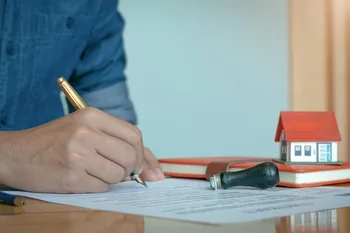
Legal aspects that ensure the protection of your new home
Legal Aspects, Notaries
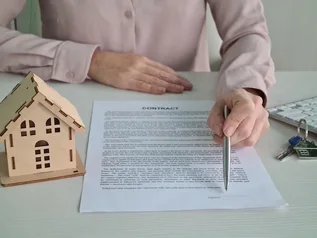
Legal aspects that ensure your peace of mind when signing a purchase contract

Legal Aspects, Notaries
Legal aspects that ensure clarity in your home purchase.
Legal Aspects, Notaries
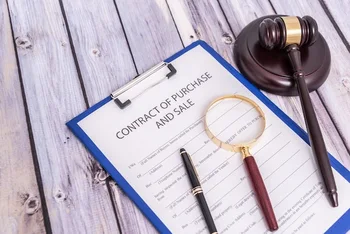
Legal aspects of confidentiality in notarial services
Most viewed in Legal Aspects

Legal Aspects, Deeds
Legal consequences of errors in the drafting of deeds

Legal Aspects, Deeds
Implications of the lack of signature on legal documents

Legal Aspects, Deeds
Importance of writing in the protection of property rights
Legal Aspects, Deeds
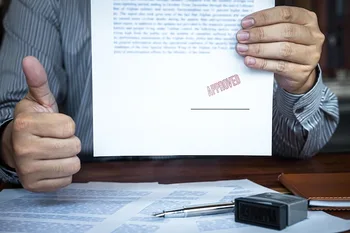
The impact of typographical errors in legal writings.