
Legal Aspects that Strengthen Your Real Estate Purchase Process
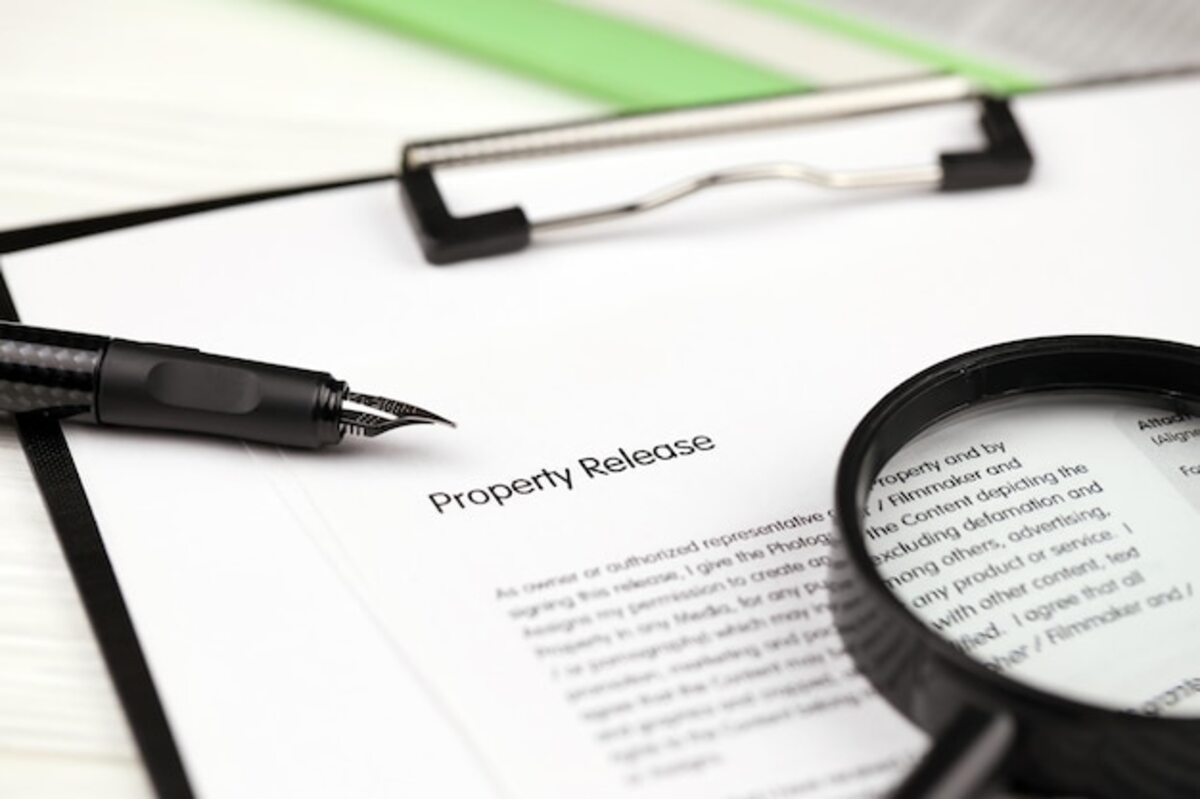
The purchase of a property is one of the most significant steps in anyone's life. However, entering the real estate world without knowing the legal aspects can be a path filled with obstacles. In this article, we will explore how property registration not only protects your investment but also strengthens your real estate buying process, ensuring that every step is backed by the law. Get ready to discover the keys that will help you secure your assets!
The Importance of Property Registration in Costa Rica
The importance of property registration in Costa Rica lies in its primary function of providing legal security for real estate transactions. By registering a property, a legal link is created that ensures the seller is the true owner and has the authority to sell it. This not only protects the buyer from potential fraud or future claims but also instills confidence in the validity of the investment made. Without this registration, any verbal agreement or private contract lacks legal support, which can lead to complications and unwanted conflicts.
In addition, the property registry establishes a clear history of the legal status of the property, including liens, mortgages, and other rights that may affect its use or transfer. This transparency is essential for buyers, as it allows them to assess the associated risks before closing a transaction. In a real estate market as dynamic as the Costa Rican one, having this accessible information not only facilitates an informed purchase but also streamlines the administrative process necessary to formalize the acquisition. Thus, the registry becomes an indispensable tool for protecting your assets in the long term.
Advertisements
What Documents Do You Need to Register Your Property?
To effectively register your property, it is essential to have a series of documents that support the legality of the transaction. First, you will need the title deed, which proves that the seller is the legitimate owner of the property and has the right to sell it. This document must be properly signed and notarized to avoid any future disputes. Additionally, it is advisable to obtain a copy of the cadastral plan, which shows the dimensions and boundaries of the land, as well as a certificate of freedom from liens, ensuring that the property has no outstanding charges or debts.
Another essential document is the purchase agreement, where the terms agreed upon between the buyer and seller are established. This agreement must detail aspects such as the purchase price, payment conditions, and any relevant clauses for both parties. You will also need to present your official identification and proof of address to verify your identity in the process. Gathering all these documents will not only facilitate the registration with the competent authorities but will also provide you with peace of mind knowing that you are making a safe purchase backed by the law.
How to Verify the Legality of a Property Before Buying
To verify the legality of a property before making a purchase, it is essential to start by requesting the certificate of freedom and tradition. This document, which is obtained from the property registry, provides crucial information about the legal background of the property. In it, you can find out who the current owner is, if there are any encumbrances or mortgages affecting the property, and if there have been previous transactions. A detailed analysis of this certificate will allow you to detect potential legal issues that could complicate your acquisition and avoid unpleasant surprises in the future.
Another important step is to investigate the urban planning situation of the property. This includes checking if the property is located in an area regulated by urban planning plans and if it complies with local regulations. You can consult with the corresponding town hall to obtain information about building permits, permitted uses, and any restrictions that may affect the value or enjoyment of the property. Additionally, make sure to check if there are any ongoing legal disputes related to the property, as this could influence your final decision and the conditions under which you could acquire it. Taking these precautions will help ensure a safe purchase and avoid any legal inconveniences later on.
The Step-by-Step Process to Register a Property
The process of registering a property may seem complicated, but breaking it down into clear steps can make navigating this important procedure easier. First, it is essential to gather all the necessary documentation, which typically includes the title of property, the sales contract, and personal identification documents. Once you have everything ready, you will need to go to the corresponding property registration office in your locality. This is where the registration process officially begins, ensuring that your purchase is formally recognized and protected by law.
After submitting the required documents, the next step involves waiting for the registration officials to review the information to verify its validity. This process may include a thorough examination of the property's history and any existing liens. In some cases, they may request additional information or clarifications regarding certain aspects of the contract. Once everything is in order and approved, you will receive a registration certificate that will confirm your status as the new owner. This document is not only essential for your legal peace of mind but also increases the value of your investment by ensuring its legitimacy to future buyers or financial entities.
Rights and Responsibilities of the Buyer in the Real Estate Registry
The rights and responsibilities of the buyer in real estate registration are fundamental to ensure a clear and legally valid transaction. When acquiring a property, the buyer has the right to receive accurate information about the property's situation, including encumbrances, liens, or any type of limitation that may affect its use. Furthermore, by formalizing the purchase and registering the property in their name, the buyer gains the assurance of being recognized as the legitimate owner before third parties, which protects their investment against external claims. This process not only provides legal security but also establishes a clear framework of rights that every owner should be aware of.
On the other hand, being an informed buyer implies taking on certain responsibilities within the real estate registry. It is crucial for the new owner to verify all documentation related to the property before completing the purchase. This includes ensuring that there are no legal conflicts or technical issues that could arise after registration. It is also the buyer's responsibility to stay informed about the tax obligations associated with the property and to comply with them promptly to avoid future penalties. Thus, understanding both the rights and responsibilities in the realm of real estate registration not only favors a successful acquisition but also allows for the construction of a solid and lasting asset.
Legal Consequences of Not Registering Your Property
Failing to register your property can lead to serious legal consequences that could jeopardize both your investment and your peace of mind. First, by not formalizing the registration, you expose yourself to the possibility of disputes over the ownership of the property. This means that third parties could claim rights over the property, which could result in costly and prolonged litigation. The lack of a registered title also complicates the possibility of accessing financing, as banks typically require legally valid documentation to grant mortgage loans.
Additionally, not registering your property can limit your options if you want to sell or rent the property in the future. Without proper registration, you are likely to face significant obstacles when trying to transfer the property to another buyer or tenant, which could result in considerable financial losses. Furthermore, you could incur administrative penalties or fines from local authorities if it is determined that you are occupying a space without the appropriate permits. For these reasons, it is crucial to ensure that you complete the registration process to protect your rights and secure a successful and safe real estate transaction.
Tax Aspects Related to Property Registration
When considering the purchase of a property, it is crucial to take into account the tax aspects related to real estate registration. This process not only ensures that the transfer of property is valid, but also involves meeting certain tax obligations. For example, taxes on property acquisition and the fees associated with registration are factors that must be included in the overall purchase budget. Ignoring these requirements can lead to penalties or future legal complications, which could affect the viability of your investment.
Additionally, being aware of the tax implications will allow you to better plan your finances in the long term. Many buyers may not be aware of the available tax deductions or tax benefits associated with the acquired property, such as credits for energy-efficient improvements or exemptions for first-time buyers. Educating yourself about these aspects not only optimizes your current tax burden but can also increase the value of your estate as real estate appreciates in the market. Therefore, consulting with a tax advisor specialized in properties can be an essential step to maximize your real estate investment.
Common Mistakes When Registering a Property and How to Avoid Them
When registering a property, it is easy to fall into common mistakes that can complicate the process and jeopardize your investment. One of the most frequent failures is not verifying the legal status of the property before proceeding with the registration. This includes ensuring that the property is free of liens or encumbrances, as well as confirming that the seller has the right to transfer the property. To avoid such problems, it is advisable to hire a real estate attorney who can conduct proper due diligence and ensure that all documents are in order. Another common mistake is not updating the registration information after acquiring the property. Many buyers forget to complete the necessary procedure to reflect their name as the new owner, which can lead to future legal disputes or difficulties when selling the property. It is essential to act promptly and ensure that all records are updated to protect your investment and facilitate any future transactions. Remember that maintaining good documentation is not only part of the legal process but also a key step in securing your assets in the long term.
The Role of the Notary in the Purchase and Registration Process
The notary plays a fundamental role in the process of purchasing and registering a property, acting as a guarantor of the legality and authenticity of real estate transactions. Their main function is to provide public certification of the documents signed during the process, ensuring that all parties involved understand their rights and obligations. This not only includes the proper drafting of the sales contract but also the verification that the seller has legitimate title to the property and that there are no encumbrances or liens that may affect the transaction. The notary's involvement adds an additional level of legal security, vital for protecting your investment.
In addition, the notary is responsible for the corresponding registration with the relevant authorities, which is crucial for formalizing the transfer of ownership. This registration ensures that your acquisition is officially recorded, becoming a public document that certifies your right to the property against third parties. Without this essential step, you could face future legal issues related to disputes over ownership or claims from creditors. In summary, having a reliable notary not only facilitates the purchasing process but also strengthens your legal position when acquiring a property.
Real Cases: Legal Issues Arising from Poor Registration
Poor property records can lead to a series of legal problems that could threaten the stability of your investment. For example, in a recent case, a buyer purchased a home without properly verifying the status of the records. Later, they discovered that there was an uncanceled mortgage on the property, which not only incurred additional costs to resolve the situation but also posed the risk of losing their home. Such situations highlight the importance of conducting a thorough analysis of the records before closing any real estate deal.
Another relevant case involves several buyers who became embroiled in legal disputes over undocumented property rights. Despite having completed all necessary transactions, the new owners were taken by surprise by claims from heirs who alleged rights to the property due to an incomplete registry. This not only caused conflicts and emotional tensions but also involved lengthy legal processes and unexpected costs. These examples highlight how poor record-keeping can lead to significant legal complications, reinforcing the need to ensure that all legal aspects are properly addressed during the real estate purchasing process.
Advertisements
More in Property Registration

Legal Aspects, Property Registration
Legal Aspects that Ensure Safe Real Estate Transactions

Legal Aspects, Property Registration
Fundamental Aspects to Protect Your Real Estate Investment

Legal Aspects, Property Registration
Legal Aspects That Ensure a Successful Real Estate Purchase

Legal Aspects, Property Registration
Legal Aspects That Ensure Your Secure Property Purchase
Most viewed in Legal Aspects

Legal Aspects, Deeds
Legal consequences of errors in the drafting of deeds

Legal Aspects, Deeds
Implications of the lack of signature on legal documents

Legal Aspects, Deeds
Importance of writing in the protection of property rights
Legal Aspects, Deeds
The impact of typographical errors in legal writings.