
How to ensure that your new home is a safe haven for pets
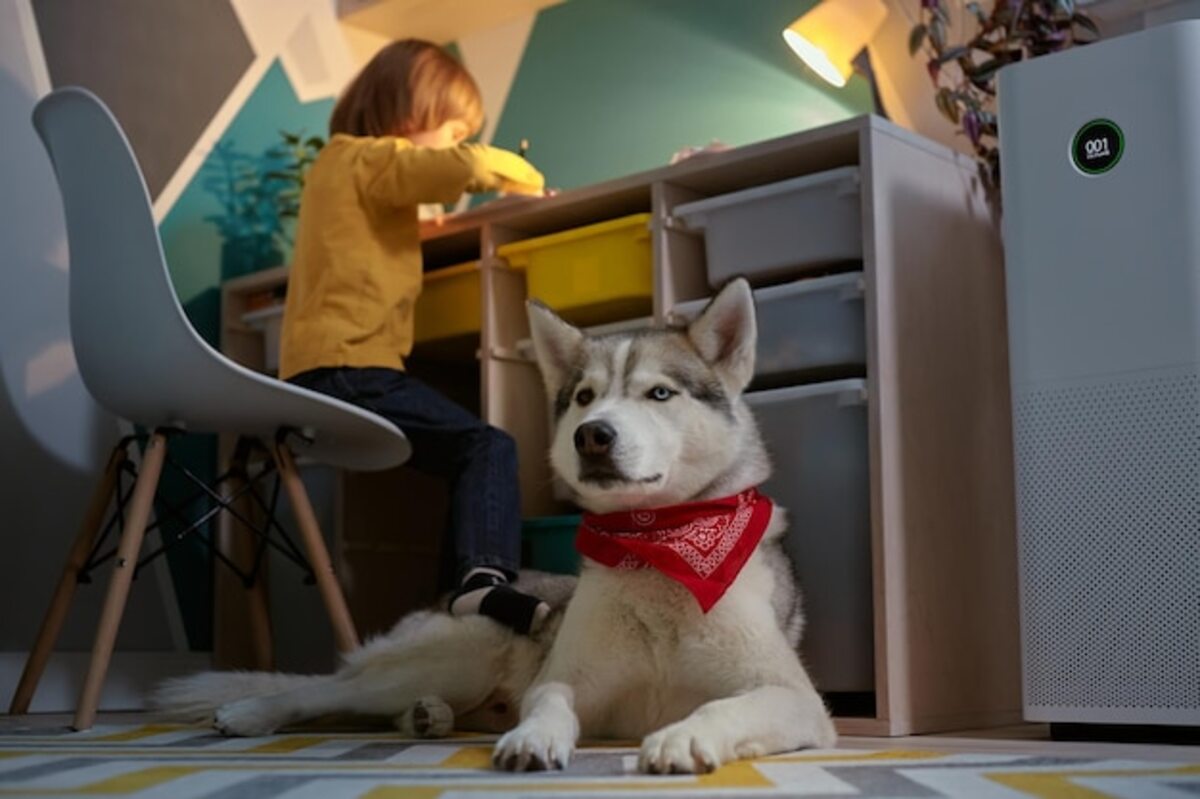
Ensuring that your new home is a safe haven for your pets is essential for their well-being and happiness. By adopting a pet-friendly approach, you not only create a welcoming environment but also prevent accidents and illnesses. In this article, we will provide you with practical and effective tips to adapt your space, ensuring maximum safety and comfort for your furry friends. Transform your house into the ideal home where both you and your pets can enjoy to the fullest!
Risk assessment: Identifying common hazards in the home
Home risk assessment is a fundamental step to ensure the safety of your pets. Start by identifying the most common hazards that could affect your furry companions, such as chemicals, toxic plants, and small objects that could be swallowed. Conduct a thorough walkthrough of each room, paying special attention to the areas where your pet spends the most time. Make sure to keep any harmful substances, such as household cleaners or medications, out of reach, and consider using high shelves or closed cabinets to prevent accidents.
In addition to the obvious dangers, don't forget to check the structural features of your home. Unprotected windows, balconies without proper railings, and slippery stairs are just a few examples of elements that can pose a significant risk to your pets' safety. Installing nets or screens on windows and balconies can prevent unexpected falls, while placing non-slip rugs on the stairs will help avoid injuries. By taking these proactive measures, you will be creating a safe environment where your pets can explore and play freely without worries.
Advertisements
Safe materials: Pet-friendly furniture and decor options
When it comes to creating a pet-friendly home, the choice of materials is a crucial aspect that should not be overlooked. Choosing furniture and decorations made from safe, durable, and easy-to-clean materials can make a big difference in your pets' daily lives. For example, stain and water-resistant fabrics are ideal for sofas and pillows, as they allow for easy cleaning in case of accidents or spills. Additionally, materials like synthetic leather or microfiber are excellent options because they are not only durable but also less likely to accumulate pet hair.
It is also important to consider the use of non-toxic paints and decorative products when redecorating your home. Eco-friendly paints without volatile organic compounds (VOCs) help minimize health risks for your pets by reducing exposure to harmful chemicals. You can also opt for furniture made from certified wood and free of harmful chemical treatments. This way, you will be creating a safe environment for both your furry companions and yourself. By wisely choosing materials, you ensure that your home is a comfortable and safe refuge where everyone can enjoy without worries.
Designated spaces: Creating comfortable areas for your pets
Creating designated spaces for your pets is a key strategy to ensure their well-being at home. By establishing specific areas, such as a cozy corner with a comfortable bed or a safe play zone, you provide them with a place where they can relax and feel secure. These areas should be away from constant foot traffic and other noises that may cause them stress. When choosing a space, consider the location of windows and doors to ensure there are no drafts or excessive sun exposure, which could affect their comfort.
In addition to providing a safe place for them to rest, it is also important to include elements that stimulate their mind and body. Incorporate interactive toys and scratching posts in their designated areas to keep them active and entertained. If you have more than one pet, make sure to create enough separate spaces to avoid conflicts between them. With a well-thought-out design, your loyal companions will be able to enjoy their own retreat within the home, which will contribute to their overall happiness and strengthen the bond you share with them.
Safe gardens: Plants and elements to avoid outdoors
When designing a safe garden for your pets, it is crucial to consider the plants and elements that could pose a risk. Some plant species, although beautiful, are toxic to animals. For example, peace lily and aloe vera can cause digestive issues and adverse reactions in cats and dogs. Additionally, it is important to avoid thorny plants like roses or cacti, as they can cause injuries if your pet decides to explore or play near them. Opt for safe plants like catnip or rosemary, which are not only harmless but also provide aromatic and aesthetic benefits to your outdoor space.
Also, consider the decorative elements and structures in your garden. Avoid using chemical products like pesticides and herbicides that may be harmful to your furry friends; opt for natural alternatives to keep your garden pest-free. It is also advisable to ensure that any mesh or fence is high enough and sturdy to prevent escapes or accidents. By creating a harmonious and safe environment, you not only protect your pets but also promote an active lifestyle by allowing them to enjoy the outdoors without worries.
Security in windows and balconies: Preventing accidental falls
Window and balcony safety is a crucial aspect to protect your pets from accidental falls. Cats, in particular, are naturally curious and tend to approach edges, while dogs can get excited seeing something outside and jump without thinking. To prevent these dangers, make sure to install guards or safety nets on the windows. These barriers not only prevent your pets from escaping but also provide them with a safe view of the outside world, keeping them entertained without risking their well-being.
In addition to windows, don’t forget to consider the safety of balconies. If you have a balcony accessible to your pet, it is vital to equip it with high and secure railings that prevent any possibility of falling. You can also choose to strategically place plants or furniture to create a visual barrier that discourages your pets from getting too close to the edge. With these preventive measures in place, you can enjoy the outdoors with your faithful companions without worrying about their safety. Remember that a safe home is essential for your pet's emotional and physical well-being.
Cleaning products: Choose pet-safe options
When choosing cleaning products for your home, it is crucial to opt for options that are safe for your pets. Many conventional cleaners contain harsh chemicals that can be toxic if ingested or inhaled by our furry friends. Therefore, it is advisable to look for natural and biodegradable alternatives, such as white vinegar or baking soda, which are not only effective for removing stains and odors but also harmless to the health of your animals. Additionally, make sure to read the labels and select products that are specifically labeled as "non-toxic" or "pet safe."
In addition to choosing safe products, it is important to establish cleaning routines that minimize your pets' exposure to any potentially harmful chemicals. Always ventilate the areas you clean and avoid using products in places where they usually are. If you use a new cleaner, test it first on a small area and observe how your pets react before applying it throughout the house. With these simple steps, you can keep your home clean and fresh without compromising the health and well-being of your beloved companions.
Responsible eating: Keeping hazardous foods out of reach
Responsible feeding is a crucial aspect to ensure the safety of your pets at home. Many foods that we consume daily, such as chocolate, grapes, onion, or garlic, are extremely dangerous for animals and can cause serious health problems. That is why it is essential to keep these products out of their reach. Consider storing food in closed cabinets or using airtight containers to prevent your pet from accessing them. Additionally, educating your family about which foods are toxic can help prevent accidents.
Another effective practice is to establish specific areas for feeding your pets and ensure that their bowls are always clean and well-stocked. This not only promotes proper feeding but also reduces the risk of them scavenging for food in inappropriate places. Make sure to supervise your pets during mealtimes and avoid leaving leftovers on the table or on accessible surfaces. By implementing these simple yet effective measures, you contribute to creating a safer environment where your furry friends can enjoy themselves without unnecessary risks.
Education on behavior: Teaching pets to adapt to the new environment
The transition to a new home can be a challenge for both humans and pets. To help your furry companions feel comfortable and secure in their new environment, it is essential to implement a behavioral education process. This involves teaching them to adapt to new spaces, identifying specific areas where they can play or rest, and establishing clear boundaries within the home. A positive approach to training not only eases their adjustment but also reinforces the trust between you and your pet, creating a stronger relationship based on mutual understanding.
Use positive reinforcement techniques, such as praise and rewards, whenever your pet responds appropriately to your commands. For example, if your dog learns to stay in its designated spot during work hours or if your cat adjusts well to its new scratching post, reward it with petting or treats. Make sure to be patient and consistent; each pet has its own pace for adapting to change. With this educational approach, you will not only help your animals feel more secure in their new home, but also encourage good habits that will benefit both their well-being and the overall family environment.
Advertisements
More in Pet-Friendly Housing

Lifestyle, Pet-Friendly Housing
Find the ideal home that ensures comfort for your pets.
Lifestyle, Pet-Friendly Housing
Creative spaces that adapt your home to your pets

Lifestyle, Pet-Friendly Housing
Find the home that enhances your pets' happiness.

Lifestyle, Pet-Friendly Housing
Strategies to ensure safe spaces for your pets when buying a home
Most viewed in Lifestyle

Lifestyle, Urban and Suburban Spaces
Create an urban space that celebrates cultural diversity.
Lifestyle, Pet-Friendly Housing
Find the ideal home that ensures comfort for your pets.

Lifestyle, Families and Housing
Find your ideal home with advice from local experts.
Lifestyle, Pet-Friendly Housing
Creative spaces that adapt your home to your pets