
How to choose a neighborhood that respects the well-being of your pets
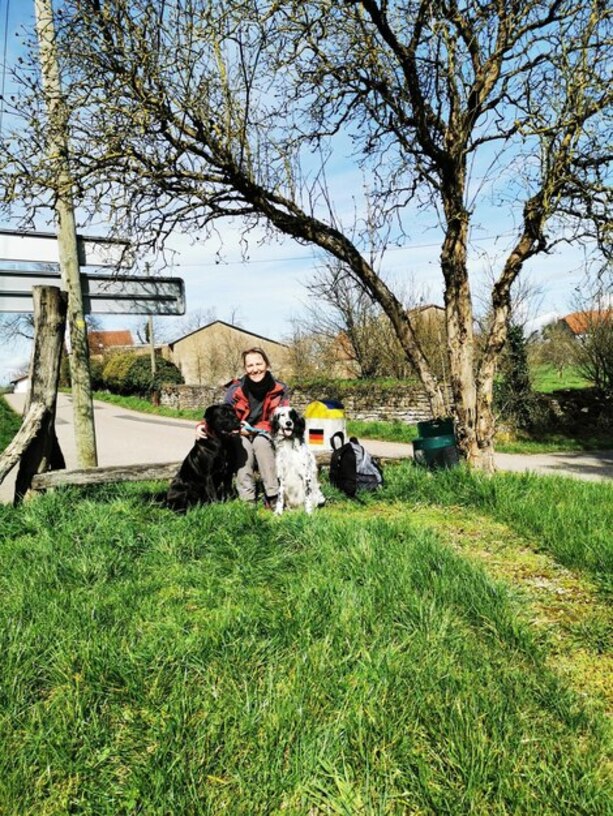
Choosing a neighborhood that prioritizes the well-being of your pets is essential to ensure a happy and healthy life for both you and them. In this article, you will discover how to identify the key features of a pet-friendly environment, making your search for the perfect home easier. From proximity to parks to the quality of veterinary services, every detail matters. Get ready to make your next home a true paradise for your furry companions!
The importance of green spaces: Why choose a neighborhood with parks?
Choosing a neighborhood with green spaces, such as parks and recreational areas, is essential for the well-being of your pets. These places not only provide a safe space for your dog to run and play freely, but they also encourage socialization among animals and their owners. A natural environment offers mental and physical stimulation to your furry companions, helping to prevent behavioral issues stemming from boredom or lack of exercise. Furthermore, the opportunity to walk on trails surrounded by greenery contributes to a better quality of life for both you and them, creating enjoyable moments that strengthen the bond between you.
Living near parks makes it easier to access outdoor activities that benefit your pets' emotional and physical health. Green spaces are ideal for exercises such as running, playing fetch, or simply exploring new scents and interacting with other animals. This not only helps keep your pet fit but also reduces stress and anxiety by allowing them to enjoy a more natural environment. By choosing a neighborhood with abundant green areas, you are investing in a more active and healthy lifestyle for your loyal friends, thus ensuring their happiness and overall well-being.
Advertisements
Safety assessment: Quiet and hazard-free areas.
When evaluating the safety of a neighborhood, it is crucial to consider the quiet and hazard-free areas that will provide a safe environment for your pets. Look for areas with low traffic and quiet streets where dogs can walk without the constant risk of rushing cars. The presence of wide and well-maintained sidewalks also contributes to a safer experience for your furry companions. Additionally, check for nearby parks or green spaces, as they are not only ideal for exercise but also promote a safe social environment where your pet can interact with other animals.
Another important aspect is the quality of the neighborhood in terms of crime. Research the crime rates in the area and opt for those places with a solid reputation for safety. A well-lit neighborhood with good visibility and active communities that care about their environment tends to be safer for both you and your pets. Consulting local opinions, as well as talking to neighbors about their experiences, will provide you with valuable insight into the overall safety of the area. Remember that a home in a safe environment not only benefits your pets but also gives you peace of mind as a responsible owner.
Nearby veterinary services: A key factor in your decision.
The availability of nearby veterinary services is a fundamental aspect to consider when choosing a neighborhood that respects the well-being of your pets. Having accessible veterinary clinics and hospitals not only provides peace of mind in case of emergencies but also facilitates access to regular check-ups, vaccinations, and preventive treatments. A neighborhood with committed and well-rated professionals ensures that your pet receives the proper care, which is crucial for their long-term health.
It is also important to evaluate the variety of services offered by these veterinary centers. Some may include specialties such as dermatology, dentistry, or even animal behavior services. Also consider if they have options like daycare or temporary boarding in case of travel. By researching the facilities and reading reviews from other pet owners in the community, you can gain a clearer idea of the quality of veterinary service available and how it can positively impact the daily life of your loyal companion.
Pet-friendly communities: How to find neighbors who love animals.
When searching for a neighborhood that respects the well-being of your pets, it is essential to identify communities where neighbors share your love for animals. One effective way to do this is through observation and interaction with local residents. Visiting the area at different times of the day will allow you to notice if there are other pet owners walking their dogs or if cats are seen enjoying the sun on windowsills. Additionally, attending community events or pet-oriented groups in local parks is an excellent way to meet people with similar interests and establish valuable connections for you and your pet.
Another strategy to find a pet-friendly neighborhood is to research local policies and regulations related to animals. Communities that promote responsible pet ownership often have a more positive approach towards animals and may offer specific spaces for their entertainment, such as dog parks or leash-free zones. Additionally, talking to real estate agents who have experience working in pet-friendly areas can provide you with useful information about the most welcoming places for your furry companions and help you build a social network that celebrates animal welfare in your new home.
Accessibility to specialized stores and pet-friendly products.
When looking for a neighborhood that respects the well-being of your pets, accessibility to specialty stores and pet-friendly products plays a crucial role. An environment with dedicated pet shops not only facilitates the purchase of quality food and suitable accessories but also offers a variety of services such as grooming, training, and care. Proximity to these establishments allows for quick and efficient resolution of any needs, ensuring that your furry companion has access to the best without having to travel long distances. Moreover, specialty stores are often aware of the latest trends in pet products, from organic food to interactive toys. This not only enriches the lives of your animals but also gives you the opportunity to choose healthier and more sustainable options. Ultimately, a neighborhood with easy access to these stores can make a significant difference in the quality of life for both you and your pets, creating an environment where their well-being is a constant priority.
Finally, it is important to keep in mind that some neighborhoods also organize community events focused on animal welfare, such as adoption fairs or informational days on responsible pet care. These events not only promote a pet-friendly culture among neighbors but also allow you to connect with other animal lovers and share recommendations about local products and services. By choosing a place where these opportunities are available, you will be building a more enriching environment for your pet and strengthening the sense of community within the neighborhood.
Local pet regulations: What you need to know before moving.
Before moving to a new neighborhood, it is crucial to inform yourself about the local regulations regarding pet ownership. Some areas may have specific restrictions on the type or number of animals you can have in your home, as well as regulations concerning their behavior and care. For example, in certain communities, breeds considered dangerous are prohibited, or limits are imposed on the number of pets allowed per residence. Knowing these rules will help you avoid legal conflicts and inconveniences that could affect your daily life and that of your furry companions.
In addition to the restrictions, it is also important to check if there are licensing or registration requirements for your pets. Many localities require owners to register their animals and keep their information updated, which may include vaccinations and microchipping. Complying with these regulations is not only a legal responsibility but also contributes to the overall well-being of the animal community, ensuring that all pets are properly cared for and protected. Researching these aspects will allow you to make informed decisions and ensure a safe and friendly environment for your furry friends in your new home.
Community activities and events related to pets.
Community activities and events related to pets are an excellent way to assess the pet-friendly culture of a neighborhood. Look for communities that organize fairs, walks, or competitions for pets, as these events not only encourage socialization among animals but also strengthen the bonds between neighbors. Participating in these activities can be a great opportunity to meet other pet owners and share recommendations about local services such as veterinarians, trainers, and specialty stores.
Additionally, some neighborhoods have groups or associations dedicated to animal welfare that organize regular activities, such as adoption days or vaccination campaigns. Active participation in these initiatives not only benefits your pets by providing them with enriching experiences and opportunities to interact with other animals but also helps create a safer and healthier environment for everyone. By choosing a place that values these community events, you ensure that both you and your furry companions can enjoy an active and social lifestyle.
Pet-friendly public transport: Facilities for getting around.
Pet-friendly public transportation is a vital aspect to consider when choosing a neighborhood that respects the well-being of your animals. The ability to take your pet on buses, trains, or trams not only facilitates travel but also promotes greater social integration. Some transportation systems have specific policies that allow small animals in carriers or even loose under certain conditions, which can be a great advantage if you need to visit the veterinarian or take your furry companion to an important appointment. When researching transportation options in the area, be sure to check local regulations and how they accommodate the needs of pet owners.
Additionally, a neighborhood with good public transport connections can open the door to new experiences and activities for you and your pet. Imagine being able to explore different parks, attend pet-friendly events, or simply enjoy walks around the city without worrying about the logistics of the trip. An efficient and pet-friendly system will allow you and your pet to enjoy together beyond the immediate home environment. Thus, having access to the right public transport not only improves daily quality of life but also fosters a more active and enriching lifestyle for both you and your loyal friend.
Testimonials from other pet owners in the neighborhood.
When considering a neighborhood that respects the well-being of your pets, the testimonials of other owners in the area can be an invaluable source of information. Talking to neighbors and exploring local groups on social media will allow you to learn about their experiences regarding pet-friendly living. Ask about the general attitude of residents toward pets, whether there are specific areas where dogs are allowed to play off-leash, and how issues related to cleanliness and respect for common spaces are managed. The honest opinions of those who already live there can give you a clear perspective on what it really means to be part of that community.
Additionally, paying attention to recommendations about veterinarians, pet stores, and related services can help you assess the suitability of the neighborhood. Listening to stories about the positive or negative experiences your future neighbors have had when dealing with these services will allow you to make more informed decisions. An environment where owners share resources and advice for caring for their animals is a clear sign that the neighborhood values animal welfare. Ultimately, building relationships with other pet lovers in your area will not only enrich your social life but also contribute to the overall well-being of your furry companions.
Practical tips for adapting your new home to the needs of your pets.
Adapting your new home to the needs of your animals is an essential part of ensuring they feel comfortable and happy in their new environment. Start by identifying safe and cozy spaces within the house, such as a quiet area where they can rest undisturbed. Consider creating a specific area for their toys, bed, and food bowls, which will not only ease their transition but also help you keep your home organized. Additionally, make sure that all windows and balconies are secure to prevent any accidents.
The exterior also plays a crucial role in helping your pets adapt to the new home. If you have a garden or patio, make sure it is properly fenced to allow them to explore and play freely. Incorporate elements like trees or bushes where they can take shelter from the sun or simply enjoy the fresh air. Additionally, if you have dogs, look into creating a dedicated exercise space, such as a small obstacle course or designated play areas. With these simple adjustments, you can turn your new home into an ideal and safe place for all the furry members of your family.
Advertisements
More in Pet-Friendly Housing

Lifestyle, Pet-Friendly Housing
Find the ideal home that ensures comfort for your pets.

Lifestyle, Pet-Friendly Housing
Creative spaces that adapt your home to your pets

Lifestyle, Pet-Friendly Housing
How to ensure that your new home is a safe haven for pets

Lifestyle, Pet-Friendly Housing
Find the home that enhances your pets' happiness.
Most viewed in Lifestyle

Lifestyle, Urban and Suburban Spaces
Create an urban space that celebrates cultural diversity.
Lifestyle, Pet-Friendly Housing
Find the ideal home that ensures comfort for your pets.

Lifestyle, Families and Housing
Find your ideal home with advice from local experts.
Lifestyle, Pet-Friendly Housing
Creative spaces that adapt your home to your pets