
Discover how the community transforms the value of your home.
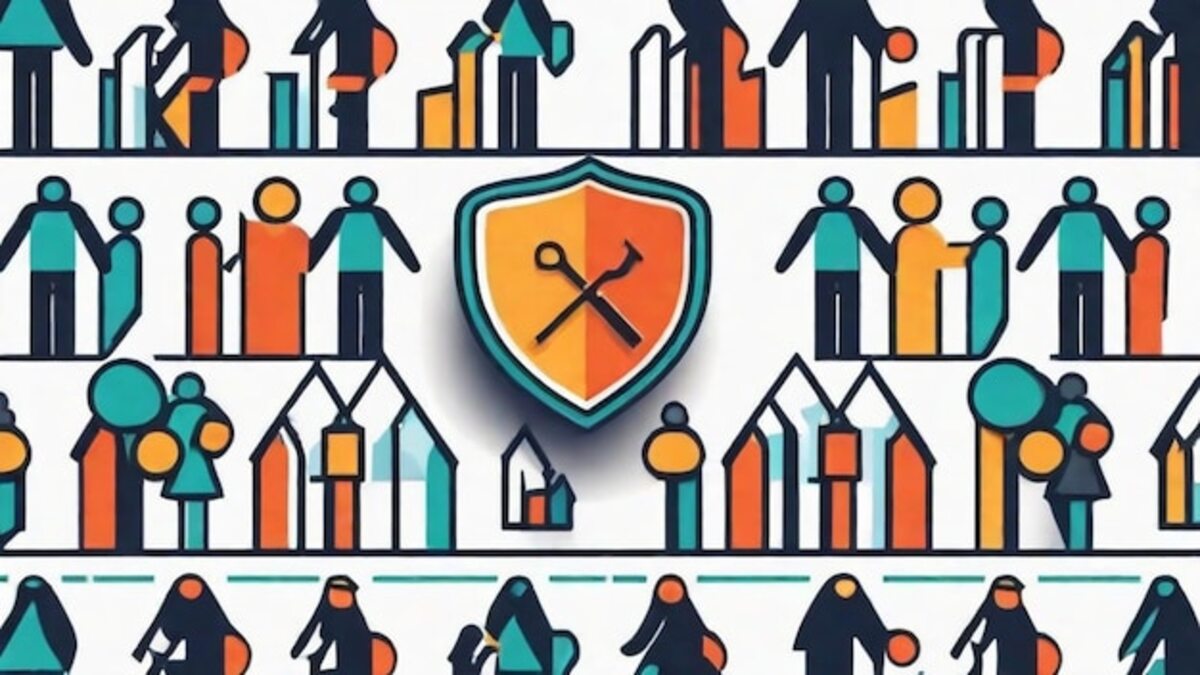
Discover how the community transforms the value of your home. In a world where location is key, the community environment plays a crucial role in the appreciation of your property. Quality of life, neighborly relationships, and available services not only enrich your day-to-day life but also increase the value of your investment. Join us to explore how a vibrant community can significantly elevate the appeal and valuation of your home, making it an even more desirable place to live.
The importance of social cohesion in the valuation of the home
Social cohesion is a fundamental element in the valuation of a home, as it creates a sense of belonging and security among residents. When neighbors establish close relationships, a support network is built that not only improves the quality of life but also fosters an environment conducive to personal and family growth. These types of interactions enrich daily life, transforming the experience of living in a community into something more meaningful and enjoyable. A united neighborhood can be a determining factor for those looking to buy or rent a property, thereby increasing its value in the market.
Moreover, social cohesion promotes the active participation of residents in community initiatives and local projects. This can translate into improvements in infrastructure, more efficient public services, and well-maintained recreational spaces, factors that are highly valued by potential buyers. Communities where residents work together tend to experience fewer issues such as vandalism and crime, contributing to the overall well-being of the area. In this context, strong social cohesion not only benefits current homeowners, but also makes the neighborhood an attractive place for new families and investors, increasing its value over time.
Advertisements
Community services: How do they impact the price of your property?
Community services are an essential element that can significantly influence property value. From quality schools, recreational facilities, to health centers and efficient public transportation, these services not only enhance the quality of life for residents but also make an area more attractive to potential buyers. When a community has accessible and well-maintained resources, homeowners can expect an increase in demand for their properties, which in turn can lead to a revaluation of the property in the market.
Additionally, the presence of community services fosters a sense of belonging and cohesion among neighbors, creating a friendlier and safer environment. Families often look for areas where their children can grow up surrounded by good schools and recreational spaces; this not only elevates personal satisfaction of living in that area, but also creates a positive cycle for the local real estate market. In summary, investing in a property within a community with good services is not only a financially smart decision but also emotionally enriching.
Neighborhood activities: Fostering a sense of belonging
Neighborhood activities are a powerful tool to foster a sense of belonging and camaraderie in the community. When residents get involved in events like fairs, park clean-ups, or community classes, they not only strengthen interpersonal relationships but also create a welcoming environment where everyone feels included. These initiatives promote dialogue and collaboration among neighbors, which in turn generates a safer and friendlier environment. As people get to know each other better, support networks emerge that can be crucial in times of need.
Additionally, active engagement in neighborhood activities can have a direct impact on property values. A neighborhood where residents actively participate tends to be more attractive to potential buyers, who value not only the house itself but also the lifestyle offered by the surrounding community. For example, regular events like local markets or outdoor movie nights can elevate the area's perception and increase its demand. Ultimately, cultivating a vibrant community life not only benefits current residents but also ensures a promising future for the value of their homes.
Education and nearby schools: A key factor for families
Education and proximity to quality schools are determining factors for many families when choosing a home. The investment in a property is heavily influenced by the availability of educational institutions that offer solid academic programs and a safe environment for child development. Families often seek neighborhoods where children can easily access well-rated schools, as this not only impacts the children's academic future but also represents a competitive advantage in the real estate market. An area with good educational options tends to maintain high demand, which translates into greater appreciation for the properties located there.
In addition to educational quality, the community plays a fundamental role in the social and emotional development of children. Interaction with other students and their families fosters a sense of belonging and collaboration that goes beyond the classroom. Nearby schools also often offer extracurricular activities and community events that strengthen ties among neighbors, creating an environment conducive to family growth. Thus, a good education not only transforms individual lives but also enhances the value of the home by making it part of an active and engaged community fabric. This makes properties located near recognized educational institutions highly sought after by those looking for not just a place to live, but also an enriching environment for their loved ones.
Security and its effect on residential property value
Safety is one of the most determining factors in property valuation. Communities that offer a safe and secure environment not only provide peace of mind to their residents but also become magnets for potential buyers. A neighborhood with low crime rates and an active presence of security services, such as police patrols or community watch programs, can significantly increase interest in properties located there. This, in turn, can translate into higher prices when it comes time to sell, as families seek places where they can feel safe and comfortable.
Moreover, the perception of safety not only affects the purchasing decision but also the overall development of the area. Investors often view positively those neighborhoods that have implemented effective measures to improve public safety. The creation of well-lit public spaces, well-maintained recreational areas, and the active participation of residents in community activities are encouraging signs for those looking to settle in a neighborhood. Consequently, property owners may see how their investment appreciates over time due to these efforts to create a safe and welcoming environment that attracts both new residents and local businesses.
Green spaces and recreational areas: Benefits for everyone
Green spaces and recreational areas are essential elements that enrich community life, offering countless benefits for both residents and the environment. A well-designed park not only acts as a lung for the city, improving air quality and fostering biodiversity, but also becomes a meeting point where families can enjoy outdoor activities. The presence of green zones contributes to greater physical and mental health, as it promotes exercise, reduces stress, and improves the overall well-being of inhabitants. All of this translates into a happier and more cohesive neighborhood.
Moreover, having adequate recreational areas significantly increases the appeal of a community. Potential buyers often value proximity to parks, trails, and other public spaces, as these places not only provide opportunities for recreation but also foster social interactions among neighbors. This creates a sense of belonging and safety in the community, highly desirable qualities that can considerably increase property value. In summary, investing in green spaces is investing in the quality of life and in the economic future of the home within a vibrant community.
Infrastructure and public transportation: Facilitating daily life
Infrastructure and public transportation are fundamental pillars that not only facilitate the mobility of residents but also directly impact property valuation. An efficient transportation system allows inhabitants to easily commute to their workplaces, schools, and entertainment centers, resulting in a higher quality of life. Well-connected communities, with access to subway lines, buses, or bike lanes, attract more people seeking convenience, thereby increasing the demand for housing in those areas. This additional demand can lead to a significant increase in home value.
Additionally, a strong infrastructure that includes services such as parks, libraries, and community centers fosters a sense of belonging and social cohesion among residents. These spaces not only enhance the aesthetics of the neighborhood but also promote recreational and cultural activities that enrich interpersonal relationships. When a community offers accessible and pleasant resources for all its members, it creates an environment where families want to settle down long-term. As a result, the overall appeal of the area increases and translates into a constant appreciation for the properties located there.
Community projects that increase interest in your neighborhood
Community projects are initiatives that not only foster cohesion among neighbors but also transform the environment in which you live. From urban gardens to cultural festivals, these collective efforts generate a sense of belonging and pride in the community. By engaging in such projects, residents can actively contribute to the beautification of the neighborhood, which not only improves the quality of life but also attracts new residents and potential buyers interested in living in an active and participatory area. A neighborhood with vibrant activities is more appealing to those looking for a place to settle down.
Moreover, these projects often stimulate the local economy by promoting nearby businesses and community services. For example, a farmers' market or craft fairs not only offer fresh and unique products but also create meeting spaces, enhancing interpersonal relationships and social networks among neighbors. As more people are drawn to these community activities, interest in the area increases, which can directly reflect on the value of local properties. Ultimately, participating in or supporting these community projects can be an excellent way to elevate both your quality of life and the long-term valuation of your home.
How to choose a community that enhances the value of your home
Choosing a community that enhances the value of your home involves considering various factors that influence quality of life and the perception of the environment. First, it is essential to research the demographic and socioeconomic characteristics of the area. Communities with good infrastructure, access to basic services such as schools, hospitals, and public transportation tend to be more attractive to potential buyers. Additionally, a neighborhood with a diverse mix of residents can foster a dynamic and enriching environment that not only improves daily experiences but also helps maintain or increase property values in the area.
Another key aspect to consider is safety and community development. Communities that promote social activities, cultural events, and citizen engagement programs tend to be more desirable. A safe and friendly environment creates connections between neighbors and fosters a sense of belonging, which can be crucial for those looking to settle into a new home. Additionally, observing future urban development plans or local initiatives can provide insights into how the community will evolve in terms of real estate appreciation. Choosing your community wisely will not only ensure a pleasant place to live but will also guarantee that your investment retains its long-term appeal.
Success stories: Communities that have transformed their properties
The stories of communities that have managed to transform their properties are inspiring and reveal the power of working together. In many localities, residents have decided to join forces to revitalize their neighborhoods, creating more attractive and functional spaces. For example, through the implementation of community gardens, recreational areas, and cultural events, these communities have not only improved their quality of life but have also significantly increased the value of their homes. The collaboration among neighbors has fostered a sense of belonging and pride in their environment, which translates into a higher demand for properties in that area.
Another successful case can be observed in those communities that have opted to improve security and accessibility to essential services. Through initiatives such as neighborhood patrols or the creation of groups to advocate for better infrastructure, residents manage to not only increase the perception of safety in their neighborhood but also attract new inhabitants and investors. This transformation can result in a significant long-term increase in real estate value. Ultimately, successful stories demonstrate that when a community comes together with a clear and shared goal, the positive impact extends beyond individual properties, contributing to the comprehensive development of the area and a constant appreciation of housing value.
Advertisements
More in Community Living
Location and Value, Community Living
The impact of accessibility on the value of your property

Location and Value, Community Living
Where to invest in properties: keys for a successful location
Location and Value, Community Living
Real estate opportunities: the hidden potential of your neighborhood

Location and Value, Community Living
The historical legacy and its impact on the appreciation of your home.
Most viewed in Location and Value
Location and Value, Best Areas
House rents in October: what rose and what fell

Location and Value, Best Areas
The housing market in October: what rose and what fell

Location and Value, Best Areas
The lot market in October: what rose and what fell
Location and Value, Community Living
The impact of accessibility on the value of your property