
Factors that increase the value of your home in Costa Rica

The appreciation of your home in Costa Rica can be influenced by a variety of factors that go beyond its physical location. In a country where community living and environmental quality are essential, it is vital to understand which elements can increase the value of your property. From proximity to essential services to infrastructure development, every detail matters in maximizing your investment. Discover how these aspects can transform your home into a true real estate treasure.
Importance of geographic location
The geographical location of a property in Costa Rica is one of the most determining factors that influence its value. Areas close to beaches, mountains, or national parks not only offer tourist appeal but are also highly valued by those seeking a healthier lifestyle connected to nature. Furthermore, localities with access to main routes and effective public transportation become even more desirable, as they allow for greater mobility and convenience for their residents. In this sense, location becomes a decisive element for potential buyers who prioritize access to various services and recreational activities.
Similarly, proximity to educational centers, hospitals, and shops can significantly increase the value of a property. Families often look for neighborhoods where schools are accessible and recognized for their educational quality, as well as areas where medical services are within reach. This type of convenience not only improves quality of life but also allows for a promising outlook for real estate investment. Therefore, when considering the purchase or sale of a house in Costa Rica, it is essential to evaluate not only its immediate surroundings but also how these elements can influence its long-term appreciation.
Advertisements
Infrastructure development and accessibility
The development of infrastructure is a fundamental pillar in increasing the value of any property. In Costa Rica, the construction of new roads, bridges, and public transportation systems not only improves connectivity between different regions but also facilitates access to basic services such as hospitals, schools, and businesses. When a property is located in an area with good infrastructure, it becomes more attractive to potential buyers and renters, thus increasing its value. Investments in infrastructure can also include parks, recreational areas, and well-maintained public spaces that promote an active and healthy lifestyle.
Accessibility is another crucial factor that influences the value of a home. A well-connected neighborhood allows residents to easily commute to their workplaces or places of study, which is especially relevant in an era where time is a valuable resource. The presence of accessible routes for people with reduced mobility can be a significant differentiator when valuing a property. Additionally, areas that offer alternatives such as bike paths or efficient public transportation tend to attract a more diverse and dynamic population, contributing to local economic growth and the overall appeal of the area. In summary, both infrastructure and accessibility are key elements that can transform your home into a highly valued asset within the Costa Rican real estate market.
Quality of public and private services
The quality of public and private services is a determining factor in the appreciation of your home in Costa Rica. The availability of basic services such as drinking water, electricity, garbage collection, and access to high-speed internet not only influences daily comfort but also directly affects the perceived value of a property. A neighborhood with adequate and efficient infrastructure will generate interest among potential buyers, who are looking for not just a place to live, but a community that provides safety and quality of life. Furthermore, customer service from the institutions responsible for supply can make a difference; prompt and effective service increases the overall satisfaction of residents.
On the other hand, private services such as schools, hospitals, shopping centers, and recreational areas play a crucial role in increasing property value. Young families often prioritize proximity to good educational institutions or accessible clinics when considering buying a home. Similarly, recreational spaces like parks or gyms contribute to improving the social and physical well-being of residents. This creates an attractive environment for families looking to settle in the area. In summary, investing in properties close to these services not only ensures a better quality of life for residents but also strengthens the property's value in the long term.
Proximity to recreational and cultural areas
Proximity to recreational and cultural areas is a determining factor in the appreciation of a property in Costa Rica. Homes located near parks, sports centers, museums, and theaters not only offer their residents the opportunity to enjoy outdoor activities and entertainment but also promote a healthy and active lifestyle. The country's cultural richness, evidenced in festivals, exhibitions, and community events, attracts families and professionals seeking a dynamic environment where they can make the most of their free time, which in turn elevates the area's appeal and contributes to the increase in real estate value. Furthermore, the closeness to these recreational areas not only enhances the quality of life for residents but also creates a sense of community. Shared spaces like plazas and green areas are ideal for fostering social interactions among neighbors, which is highly valued by those seeking a welcoming home. This inclusive environment can be attractive to potential buyers and tenants, further increasing the demand for properties close to these key points. In summary, having easy access to recreational and cultural areas not only adds tangible value to your home in Costa Rica but also enriches the daily experience of its inhabitants.
Safety and well-being in the community
Safety and well-being in the community are two fundamental factors that directly impact the added value of a property. In Costa Rica, where peaceful coexistence and a sense of belonging are highly valued, a safe environment can attract families and professionals looking for a place to settle. The presence of constant patrols, community watch programs, and a culture of collaboration among neighbors not only promote a safer environment but also help elevate the prestige of the neighborhood, making properties located in these areas more desirable.
Additionally, community well-being is reflected in the quality of life that an area offers. Recreational spaces, cultural activities, and accessible social services create a favorable environment for personal and family development. Neighbors who actively participate in local initiatives foster a sense of community that not only enhances safety but also attracts new residents interested in enjoying those advantages. At the end of the day, living in a cohesive community with a high perception of safety not only makes homeowners feel comfortable and happy but also ensures greater long-term appreciation for their homes.
Trends in the local real estate market
Local real estate market trends in Costa Rica play a crucial role in property valuation. In recent years, we have seen an increase in demand for sustainable and eco-friendly homes, driven by a growing environmental awareness among buyers. This trend not only reflects a shift in consumer preferences but also translates into added value for properties that meet these standards. Investing in energy-efficient solutions and sustainable materials can significantly elevate your home's value, positioning it as an attractive option in the competitive real estate market.
Moreover, urban development and infrastructure improvement are determining factors that directly affect property value. The construction of new access roads, shopping centers, and recreational areas contributes to making certain areas more desirable to live in. Areas with good public transport connections and nearby services tend to experience a notable increase in their value. Therefore, staying informed about urban projects and their implications can be key to making informed decisions about buying or selling a property, thus ensuring better long-term profitability.
Impact of the natural environment and sustainability
The natural environment in Costa Rica is one of the greatest attractions this country has to offer, and its impact on the appreciation of a property is undeniable. The richness of biodiversity, access to green spaces, and proximity to beaches or mountains not only enhance quality of life but also increase the value of the home. Properties located near natural reserves or national parks tend to be more sought after, as they provide a healthy and sustainable lifestyle. This connection to nature has become a decisive criterion for many buyers, who value a clean and safe environment, which in turn translates into a significant increase in market price.
Sustainability plays a crucial role in the future of the Costa Rican real estate sector. With the growing awareness of environmental issues, homes that implement sustainable practices—such as rainwater collection systems, solar panels, or eco-friendly materials—are increasingly valued. Investing in green technologies not only reduces long-term operational costs but also attracts buyers interested in living responsibly with the environment. In this sense, properties that incorporate sustainable elements not only meet current market expectations but also ensure continuous appreciation in a society increasingly committed to conservation and respect for nature.
Advertisements
More in Community Living
Location and Value, Community Living
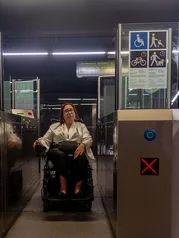
The impact of accessibility on the value of your property

Location and Value, Community Living
Where to invest in properties: keys for a successful location

Location and Value, Community Living
Real estate opportunities: the hidden potential of your neighborhood

Location and Value, Community Living
The historical legacy and its impact on the appreciation of your home.
Most viewed in Location and Value
Location and Value, Best Areas
House rents in October: what rose and what fell
Location and Value, Best Areas
The housing market in October: what rose and what fell
Location and Value, Best Areas
The lot market in October: what rose and what fell
Location and Value, Community Living
The impact of accessibility on the value of your property