
Real estate opportunities: the hidden potential of your neighborhood

Real estate opportunities: the hidden potential of your neighborhood is an invitation to discover the wealth that your surroundings can offer you. In a world where location and appreciation are fundamental, we often overlook the hidden gems in our communities. From urban improvements to the development of services, every corner has something to contribute. Knowing these opportunities not only transforms your vision of home but can also be key to a successful and sustainable investment.
The importance of knowing your neighborhood
Knowing your neighborhood is essential to make the most of the real estate opportunities it offers. Each community has its own identity, unique characteristics, and development potential that can influence property values. By familiarizing yourself with the available services, cultural activities, and urban development plans, you can identify growing areas that could result in a profitable investment. Additionally, understanding the social and economic dynamics of the neighborhood will allow you to anticipate trends and changes that may impact your quality of life and the appreciation of your property.
Moreover, getting to know your neighbors and participating in the community can provide you with valuable insight into the environment. Personal connections not only enrich your daily experience but can also give you insider information about emerging opportunities or local projects that have not yet been widely advertised. By being an active part of your neighborhood, you will have access to a network of resources and support that will help you make informed decisions about real estate investments. In summary, knowing your neighborhood well is a crucial step in uncovering the hidden potential that can transform both your home and your financial future.
Advertisements
Growing areas: where to look?
When searching for real estate opportunities, it is essential to identify growing areas that can offer high potential for appreciation. These areas are often under development, with infrastructure and service projects that make them more attractive to buyers. Look for places where public transport construction, new schools, or shopping centers are taking place; these indicators are clear signs that the neighborhood is on the radar of investors and developers. Additionally, paying attention to the arrival of new businesses can be key, as job creation in an area tends to increase interest in acquiring local properties.
Another aspect to consider is the demographic and socioeconomic changes within the area. Communities experiencing an increase in their young or professional population often become desirable destinations for those looking to settle down. This change can be accompanied by a cultural and social revitalization, which not only improves the quality of life but also elevates the value of the real estate market. Researching future urban planning and housing trends will allow you to anticipate which neighborhoods are more likely to thrive, thus giving you a significant advantage when making strategic decisions about your real estate investment.
Services and amenities: the impact on property value
The services and amenities offered by a neighborhood play a crucial role in determining its added value. Areas with access to efficient public transportation, well-maintained parks, quality schools, and shopping centers tend to attract more residents, which raises real estate demand. Thus, a community that has these characteristics may see a significant increase in the value of its properties. When evaluating the investment opportunity, it is vital to consider not only the current state of the environment but also how these elements can evolve and improve over time.
Additionally, future developments represent a valuable opportunity for investors. Infrastructure projects such as new subway lines or the construction of recreational facilities can quickly transform an underestimated area into an attractive destination. Potential buyers are increasingly looking for communities that offer a superior quality of life; therefore, neighborhoods that incorporate new services and amenities are destined to experience an increase in their value. Thus, being aware of these changes not only enhances your current quality of life but also ensures a solid long-term real estate investment.
Urban transformations: a local analysis
Urban transformations are a crucial factor in the valuation of any neighborhood. These changes can include everything from the renewal of public spaces, such as parks and plazas, to the development of key infrastructures like transportation systems and accessibility. By analyzing these transformations at the local level, it is possible to identify areas that are experiencing significant growth and that, therefore, offer considerable real estate potential. Attention to detail in these developments can reveal unexpected opportunities for those seeking to invest or improve their quality of life in their immediate surroundings.
Furthermore, urban revitalization initiatives not only enhance the aesthetic appeal of a community but also foster social cohesion and promote a sense of belonging among residents. This results in a more dynamic and safe environment, which is essential for attracting both new tenants and potential buyers. Thus, understanding how urban transformations impact your neighborhood can be a valuable tool for making informed decisions about future investments.
Finally, it is essential to stay updated regarding local urban development plans and ongoing community projects. Attending town hall meetings or getting involved in neighborhood associations can provide insider information about what is coming in your area. This proactivity will not only allow you to seize real estate opportunities before others but will also contribute to the overall well-being of your community while strategically positioning yourself within the local real estate market.
How to identify undervalued properties
Identifying undervalued properties in your neighborhood requires a combination of market analysis and a keen eye for details that others may overlook. One of the first signs of an undervalued property is its price compared to similar properties in the area. Conducting a comparative study can reveal opportunities where the true value of the property is not reflected in its current cost. Additionally, pay attention to particular features that could enhance its appeal, such as outdoor spaces, condition, or even proximity to planned future infrastructure that may increase value. Another key aspect is to observe the socioeconomic context of the area. A transitioning neighborhood can be an excellent indicator of opportunities; if there are investments in commerce, transportation, or public services, this can result in a significant increase in property values in the short and medium term. Talking to local residents can also provide you with valuable information about imminent changes and urban planning that are not yet reflected in the real estate market. Thus, by identifying undervalued properties, you position yourself strategically to take advantage of the hidden potential that your neighborhood has to offer.
The role of the community in real estate development
The community plays a crucial role in real estate development, as its active and conscious participation can significantly transform the environment. When residents get involved in the planning and execution of local projects, they not only contribute to improving their quality of life but also foster a sense of belonging and social cohesion. Community initiatives, such as neighborhood associations or working groups, can identify specific needs and propose appropriate solutions, which in turn attracts investors interested in areas with a strong social foundation and a collaborative approach to development.
In addition, a committed community can drive property appreciation by promoting pleasant and accessible public spaces, as well as essential services such as schools, public transportation, and local businesses. By working together to create a more attractive and functional environment, community members not only increase the value of their own homes but also grow interest in the neighborhood among future buyers and investors. Thus, the active role of the community becomes a vital engine for uncovering hidden opportunities in the real estate market in their area, helping to build not only more valuable homes but also stronger communities.
Future projects that will change your neighborhood
Future projects in your neighborhood can be an invaluable source of real estate opportunities. From the construction of new parks and recreational spaces to the arrival of shopping centers and improvements in public transportation, each initiative has the potential to enhance not only the quality of life but also the value of properties in the area. Staying informed about these developments will allow you to anticipate positive changes that could benefit you in the long term, whether you are considering buying or selling a property.
In addition, community projects such as urban revitalization programs and neighborhood associations foster a sense of belonging and collaboration among residents. These initiatives often attract new families and investors interested in improving the area, which can lead to a significant increase in interest in local properties. By recognizing and participating in these efforts, you not only contribute to the sustainable growth of your community but also secure your place within a constantly evolving and improving neighborhood.
Advantages of living near emerging commercial areas
Living close to emerging commercial areas offers a number of advantages that can enrich our quality of life and enhance the value of our properties. One of the main benefits is the accessibility to a variety of services and amenities, from shops and restaurants to entertainment centers. This proximity not only facilitates daily life but also fosters a more active and integrated lifestyle, where you can enjoy what your community has to offer without the need for long commutes. Furthermore, the presence of these commercial areas can create a vibrant and dynamic atmosphere in the neighborhood, attracting both new residents and visitors.
Another fundamental aspect is the positive impact on real estate appreciation. As commercial areas emerge and develop, property prices tend to increase due to the demand generated by their proximity. This makes living in these areas a smart investment; you are not only securing your daily comfort but also building an asset that can appreciate over time. Furthermore, the urban transformation that accompanies commercial growth often comes with improvements in infrastructure and public services, which further enhances the neighborhood's appeal and boosts its long-term sustainable development.
Strategies for investing in local properties
Investing in local properties can be one of the smartest decisions a homeowner or investor can make. To start, it is essential to research the neighborhood and understand its dynamics. Observing trends such as the arrival of new businesses, infrastructure development, and improvements in public services can provide clues about the potential growth of the area. Don't underestimate the power of word of mouth; interacting with current residents can give you valuable insights into the community and its future plans. Additionally, being aware of government policies that affect zoning or tax incentives can also open unexpected opportunities for investment.
Once you have identified which areas show signs of potential, consider diversifying your investments within the neighborhood. This could include anything from purchasing rental properties to participating in community projects aimed at revitalizing specific areas. Partnerships with other local investors or community groups can facilitate this process and provide you with access to additional resources. Furthermore, don't forget to carefully evaluate each property; conducting detailed inspections and considering the cost of potential renovations will help you make informed decisions that maximize your long-term return on investment. Ultimately, investing in your community not only benefits your portfolio but also contributes to the growth and well-being of the place where you live.
Testimonials: success stories in community investments
Community investments have proven to be a driver of change and development in various neighborhoods, transforming not only the physical environment but also the quality of life of their residents. Stories like that of a family who decided to rehabilitate an old factory in their neighborhood, turning it into a cultural and artistic center, demonstrate how one idea can revitalize an entire area. By attracting local artists and entrepreneurs, not only did the value of the area increase, but a sense of belonging and community was also created among the residents. These examples highlight the positive impact that well-thought-out investments can have on collective well-being.
Another inspiring testimony is from a group of neighbors who joined forces to transform a vacant lot into a community garden. This project not only beautified their neighborhood but also fostered social interaction and promoted sustainable practices among residents. The shared experience strengthened the bonds between them, which in turn stimulated new local business initiatives. Thus, each success story highlights how community investments are more than mere economic transactions; they are opportunities to build resilient and dynamic communities where everyone can thrive together.
Advertisements
More in Community Living
Location and Value, Community Living
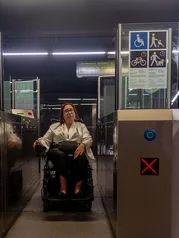
The impact of accessibility on the value of your property

Location and Value, Community Living
Where to invest in properties: keys for a successful location

Location and Value, Community Living
The historical legacy and its impact on the appreciation of your home.

Location and Value, Community Living
Discover how the community transforms the value of your home.
Most viewed in Location and Value
Location and Value, Best Areas
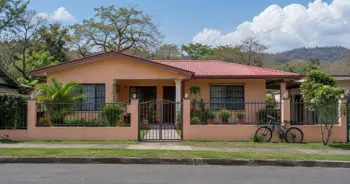
House rents in October: what rose and what fell

Location and Value, Best Areas
The housing market in October: what rose and what fell

Location and Value, Best Areas
The lot market in October: what rose and what fell
Location and Value, Community Living
The impact of accessibility on the value of your property