
The impact of infrastructure on your real estate purchasing decision
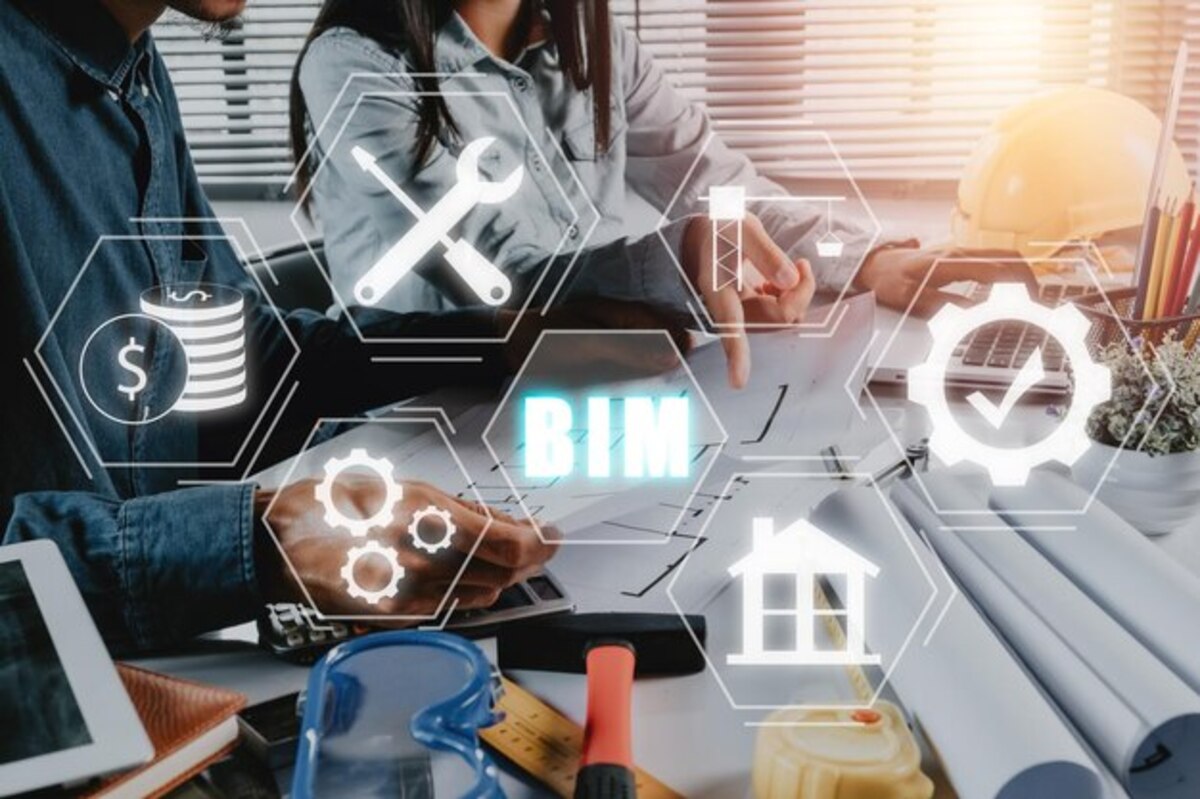
The impact of infrastructure on your real estate purchase decision is a crucial factor that can determine not only the value of your investment but also your quality of life. In Costa Rica, where location and nearby services play a fundamental role, understanding how infrastructure influences appreciation will allow you to make more informed and accurate decisions. Do not underestimate the power of good road connections or proximity to essential services; these elements can transform your home into an ideal place to live while also ensuring future profitability.
The importance of access roads: How they affect property value.
The quality and condition of access roads are determining factors in the appreciation of a property. When a property is located in an area with good road connections, it is more attractive to potential buyers or renters. Well-maintained roads, proximity to highways, and ease of public transportation not only facilitate daily mobility but also contribute to the home's value. This translates into higher demand and, consequently, a potential increase in the selling or rental price over time. Good road infrastructure can be seen as a sign of development and stability in the community, which in turn attracts more residents.
Moreover, access roads indirectly influence other aspects that affect property value. For example, when an area has efficient access, it is likely that commercial projects and additional services, such as supermarkets, schools, and health centers, will develop around it. This expansion not only improves the quality of life for residents by providing greater conveniences near their homes, but it also raises the overall real estate value of the area. In this sense, public investment in road infrastructure can be a key driver of local economic growth and an essential factor to consider when deciding where to buy a property.
Advertisements
Public services: Key to a good real estate investment.
Public services are fundamental in the valuation of real estate. The availability and quality of these services, such as drinking water, electricity, internet, and sewage, not only affect the daily comfort of residents but also directly influence the appreciation of the property. A home located in an area with access to efficient basic services can maintain its value over time and even increase it, while a property in an area lacking these resources may struggle to attract buyers and tenants. Therefore, when evaluating a real estate investment, it is crucial to consider the available service infrastructure.
In addition to basic services, proximity to facilities such as schools, hospitals, and shopping centers also plays a significant role in the perceived value of a property. Families often prioritize areas where they can easily access these essential resources; this not only improves their quality of life but also increases the appeal of the neighborhood for future buyers or tenants. Thus, investing in properties close to these strategic points can turn out to be a much more profitable decision in the long term. In summary, public services are an essential pillar that should not be overlooked when making decisions about real estate investments.
The influence of public transportation on your purchasing decisions.
Public transport accessibility is a determining factor in real estate purchasing decisions, as it directly influences the comfort and quality of life of residents. In areas where the transport system is efficient and reliable, residents have the ease of moving around without completely relying on a personal vehicle. This not only reduces costs associated with car maintenance but also improves connectivity to key places such as workplaces, schools, and recreational areas. Therefore, a property located near bus or train stations may be more attractive to potential buyers and renters.
In addition, proximity to public transportation tends to increase the long-term value of the property. Well-connected areas often experience constant demand due to their accessibility, which can translate into greater appreciation over time. Buyers are increasingly aware of how access to public transportation can facilitate their daily routines and improve their quality of life, leading them to prioritize these features in their search. Thus, investing in properties located near good transportation connections is not only a practical decision but also a strategic one in financial terms.
Nearby education: A determining factor for families.
Proximity to education is a determining factor for many families when deciding to purchase a property. Proximity to quality educational institutions not only provides peace of mind to parents but also ensures easier and quicker access to their children's academic training. In this sense, considering the educational infrastructure in the area where a home is planned to be purchased can significantly influence family well-being. A neighborhood with good schools, colleges, and universities nearby is not only attractive for its convenience but can also increase the resale value of the property as more families seek to settle in the area. Moreover, educational institutions are often accompanied by other essential services such as libraries, sports centers, and recreational spaces, contributing to the comprehensive development of children and young people. This enriching environment not only benefits younger generations but also fosters a sense of community among neighbors. When choosing a place to live, investing in a location with good educational options translates into a better quality of life for the entire family and can be a key aspect in assessing the future potential of the property.
The combination of accessible education and complementary services creates an ideal ecosystem for personal and academic growth, which translates into more informed decisions when purchasing a home. Families should value these characteristics, as they not only impact their daily lives but can also influence their long-term financial stability.
Health and wellness: The relevance of hospitals and clinics around you.
Health and wellness are essential aspects to consider when purchasing a property. Proximity to hospitals and clinics not only provides peace of mind but is also a key indicator of the quality of life in the area. Quick access to medical services can be crucial in emergency situations and contributes to a safer environment for you and your family. Additionally, living near well-equipped health facilities can positively influence your buying decision, as it increases the property's value by making it more attractive to future buyers.
Likewise, the availability of healthcare centers is also related to other aspects of the overall well-being of the community. Areas with good health infrastructure tend to have a greater number of complementary services, such as pharmacies, gyms, and recreational spaces, which promote a healthy lifestyle. When choosing a property, consider not only the immediate amenities but also how proximity to hospitals and clinics can impact your long-term quality of life. This comprehensive approach will help you make more informed decisions that will benefit both your real estate investment and your personal well-being.
Recreational spaces and their impact on quality of life.
Recreational spaces play a fundamental role in the quality of life of the inhabitants of a community. When considering the purchase of a property, it is essential to evaluate the proximity to parks, sports areas, and recreational zones that foster a healthy and balanced environment. These spaces not only provide opportunities for physical exercise and social interaction but also contribute to emotional well-being by offering places where families can enjoy the outdoors and spend time together. The availability of these facilities can be a decisive factor for many people when choosing their home, as an environment that promotes leisure and recreation tends to attract more residents.
Additionally, recreational spaces can increase the value of the properties around them. A well-planned neighborhood that includes green areas, walking paths, or bike lanes not only enhances the aesthetics of the place but is also associated with greater satisfaction among residents. Communities with access to these resources often experience lower turnover of tenants and homeowners, which is indicative of greater stability. Therefore, when considering a real estate investment, it is crucial to analyze how these recreational elements impact not only your daily quality of life but also the long-term appreciation of the property.
Future projects: Anticipating urban development in your chosen area.
When considering the purchase of a property, it is vital not only to focus on the current state of the infrastructure in your chosen area but also to anticipate future projects that may influence its development. Urban expansion initiatives, such as the construction of new roads, shopping centers, or schools, can significantly increase the value of your investment over time. Knowing the urban planning and public and private investments in infrastructure will allow you to assess whether an area is truly destined to grow, which could translate into increased interest from future buyers or tenants.
Being aware of future projects provides you with the opportunity to adapt to market trends. If there are plans to improve public transportation or develop nearby green spaces, this can make your property more attractive for both living and investing. The quality of life benefits from these improvements, which not only increases the demand for housing in that area but can also offer you additional opportunities to rent or resell your property at a higher price. Therefore, conducting research on the urban future of your locality is essential to ensure that your real estate choice aligns with growth projections and sustainable development.
Advertisements
More in Nearby Services
Location and Value, Nearby Services
Keys to choosing a neighborhood that ensures your real estate investment.
Location and Value, Nearby Services
Strategies to identify neighborhoods with high investment potential

Location and Value, Nearby Services
The relevance of cultural diversity in real estate appreciation.

Location and Value, Nearby Services
Investing in your future: the impact of location on appreciation
Most viewed in Location and Value

Location and Value, Best Areas
House rents in October: what rose and what fell

Location and Value, Best Areas
The housing market in October: what rose and what fell

Location and Value, Best Areas
The lot market in October: what rose and what fell
Location and Value, Community Living
The impact of accessibility on the value of your property