
Key Factors for Choosing the Location of Your New Property

Choosing the location of your new property is a crucial decision that can significantly impact its appreciation over time. In Costa Rica, where the real estate market is constantly evolving, understanding the key factors for selecting the best area will not only ensure a secure investment but also allow you to enjoy an ideal living environment. Discover how location can transform your dream home into a profitable and attractive reality.
The importance of proximity to essential services
Proximity to essential services is one of the most determining factors when choosing the location of a new property. Having immediate access to supermarkets, hospitals, schools, and public transport not only improves the quality of life for residents but also increases the property's value over time. In a world where convenience and time are valuable resources, living close to these services can make a significant difference in daily life. The ease of shopping or receiving medical care without long distances to travel translates into a more desirable home for future buyers or tenants.
Additionally, areas well-connected to essential services tend to attract greater demand in the real estate market. Young families, professionals, and older individuals seek locations that offer convenience and accessibility, resulting in a sustained increase in property value. Investing in a property located near schools or shopping centers not only ensures a practical environment for its current owners but also promises a valuable future if you decide to sell or rent later. In summary, considering proximity to these services is crucial to ensure a wise and profitable choice when selecting your new home.
Advertisements
Analysis of the economic and urban growth of the area
The economic and urban growth of an area is a determining factor when choosing the location of your new property. An economically expanding area generally attracts investments, businesses, and new residents, which translates into an increase in real estate demand. Observing indicators such as infrastructure development, shopping centers, recreational areas, and public services can provide you with a clear insight into the appreciation potential of your investment. Areas that are the subject of well-structured urban planning tend to ensure a more attractive and functional living environment.
Additionally, the analysis of urban growth involves evaluating how living spaces are being configured in the community. Sustainable residential projects, urban parks, and accessibility to public transportation are elements that not only improve quality of life but also increase property value over time. Choosing a property in an area where urban improvements are planned can be key to ensuring significant appreciation. Therefore, researching current and future trends in urban development will allow you to make more informed decisions aligned with your long-term expectations.
Impact of public transportation on property value
Public transportation plays a fundamental role in determining the value of a property. When an area has an efficient and accessible transportation system, it not only facilitates the mobility of residents but also attracts potential buyers and tenants. Properties located near train stations, bus stops, or strategic routes tend to maintain their value or even appreciate over time, as they offer comfort and convenience. This factor is especially relevant in urban areas where traffic can be a significant obstacle for daily commutes.
Additionally, the quality of public transportation influences the overall perception of the neighborhood. Well-connected communities are seen as more desirable, which can lead to an increase in real estate demand. Proximity to basic services such as schools, supermarkets, and workplaces is also enhanced by a good public transportation network. Therefore, when evaluating a potential property, it is essential to consider not only its physical location but also its proximity and access to transportation options that facilitate daily life and improve the overall appeal of the area for future investments.
Safety and quality of life: what to consider?
Safety is one of the most critical aspects to consider when choosing the location of your new property. Living in a safe environment not only provides peace of mind but also contributes to a better quality of life. Researching crime statistics in different neighborhoods, as well as the presence of security services and organized communities, can give you a clear perspective on the level of safety in the area. Furthermore, interacting with local residents and learning about their experiences can be invaluable in feeling more secure in your decision.
Quality of life is intrinsically linked to safety, but it also involves other factors such as access to basic services, recreational areas, and proximity to educational and health centers. A good location should provide adequate infrastructure that fosters a balanced and healthy lifestyle. Consider how these elements complement each other: for example, a neighborhood with well-maintained parks and community activities promotes not only a safe environment but also enriching social relationships. By evaluating all these aspects together, you can make more informed decisions that will benefit both your investment and your daily well-being.
Demographic trends and their influence on the real estate market
Demographic trends play a fundamental role in shaping the real estate market, as they affect the demand for properties in various areas. For example, the growth of young populations, as well as the increase of families looking to settle down, can drive the need for housing in specific zones. In Costa Rica, where there is internal migration towards cities and tourist destinations, it is crucial to consider how these demographic changes can influence the appreciation of a property over time. Areas with a high concentration of educational and recreational services are especially attractive to young families, which can result in a sustained increase in market prices.
Moreover, demographic trends not only affect local buyers; they also influence the arrival of foreign investors seeking vacation or residential properties. Interest in certain locations can be driven by factors such as climate, local culture, and quality of life. It is essential to pay attention to these dynamics to anticipate where greater future demand might arise. When choosing the location of your new property, considering these trends will allow you to not only make a smart investment but also adapt to a changing environment that supports your lifestyle and long-term needs.
Access to recreational spaces and green areas
When considering the location of your new property, access to recreational spaces and green areas plays a fundamental role in the quality of life you will enjoy. Proximity to parks, gardens, and sports areas not only enhances the physical and mental well-being of residents but also encourages an active and social lifestyle. Green areas are ideal for outdoor activities, such as walking, picnics, or simply relaxing under the shade of a tree, which can be especially appealing for families with children or pets. Additionally, these spaces are often designed to offer a connection with nature, which is an increasingly valued aspect for those seeking a home in urban environments.
Another factor to consider is how the availability of recreational areas can influence the value of your property. Well-equipped zones with parks and community spaces tend to attract more potential buyers, which could result in an increase in long-term value. The presence of these elements also suggests proper urban planning and a focus on sustainable development, aspects that become attractive to both families and individuals interested in investing in properties. Therefore, ensuring that your future home is close to these places will not only enrich your daily experience but also contribute to the economic growth of your real estate investment.
Future projects that can increase the value of your property
Future projects in a certain area can be decisive in raising the value of your property. Investments in infrastructure, such as new roads, public transportation, or shopping centers, not only improve the quality of life for residents but also attract new buyers and tenants. Before acquiring a property, it is important to research urban development plans and potential improvements in local infrastructure. A neighborhood with growth and modernization projections has the potential to significantly increase its appreciation in the coming years.
Additionally, the arrival of important companies or developers can revitalize an area and make it more attractive. The construction of parks, schools, and recreational centers also contributes to the well-being of the community and can positively influence the perception of the place. Stay informed about local initiatives and how these could impact the environment where you plan to invest. By anticipating these changes and planning accordingly, you can not only secure a solid investment but also enjoy a home in a dynamic environment that will surely increase in value over time.
Strategies for evaluating emerging areas with high potential
When evaluating emerging areas with high potential, it is essential to conduct a thorough analysis of the infrastructure and services that are under development. Paying attention to transportation projects, shopping centers, schools, and hospitals can provide a clear insight into how a specific area is transforming. Public and private investments in these infrastructures are often indicative of sustained growth, which could translate into an increase in property value as demand rises. Additionally, researching government or local initiatives that promote urban development can also offer clues about which areas are destined to become hot spots in the real estate market.
Another key aspect is to observe the demographic trends and the socioeconomic profile of the population moving to these emerging areas. Population growth, along with rising incomes and the arrival of new residents, can be a clear sign of a region's future appeal. It is advisable to personally visit these areas to feel their atmosphere and speak with current residents; this will not only provide insights into the quality of life in the place but also their perceptions regarding the future of the area. By combining these factors with an analysis of the regional economic landscape, you can make more informed and strategic decisions to secure your real estate investment.
Advertisements
More in Property Value Appreciation

Location and Value, Property Value Appreciation
The hidden value of nature in real estate

Location and Value, Property Value Appreciation
Keys to Identify High Appreciation Areas in Costa Rica

Location and Value, Property Value Appreciation
The effect of security on real estate valuation

Location and Value, Property Value Appreciation
The effect of public transportation on property valuation
Most viewed in Location and Value

Location and Value, Best Areas
House rents in October: what rose and what fell

Location and Value, Best Areas
The housing market in October: what rose and what fell

Location and Value, Best Areas
The lot market in October: what rose and what fell
Location and Value, Community Living
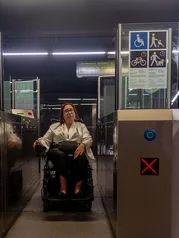
The impact of accessibility on the value of your property