
Factors that Increase the Value of Your Property According to Location
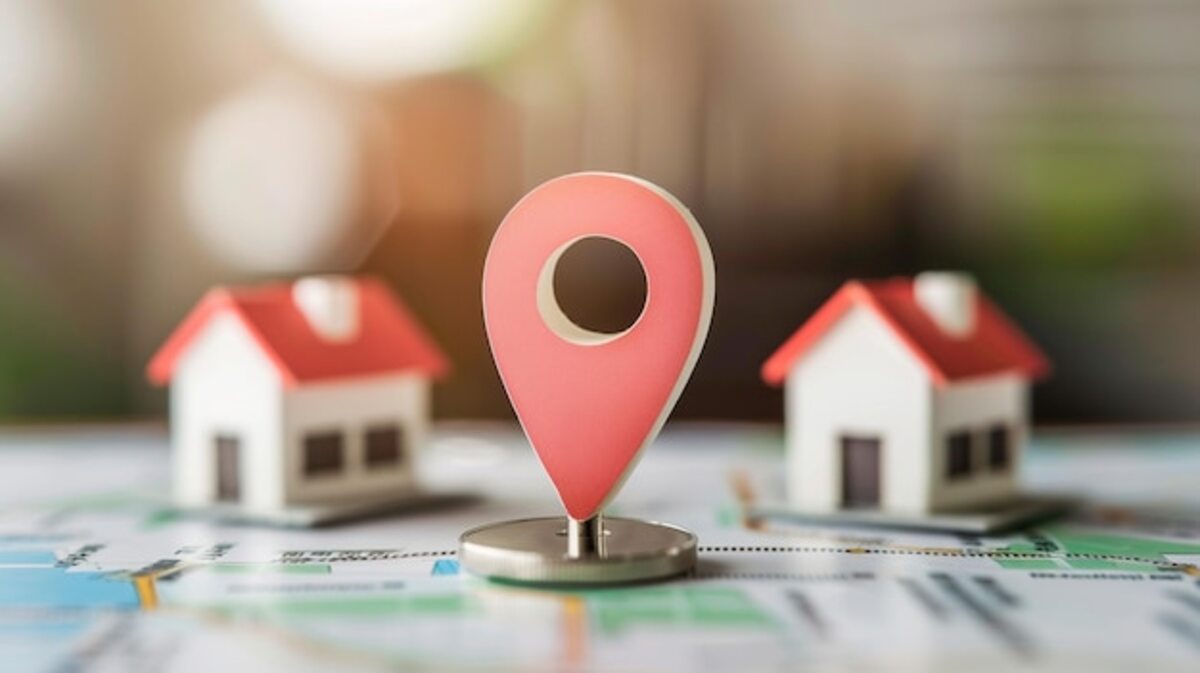
Location is one of the most determining factors in the valuation of a property. In Costa Rica, the contrast between rural and urban areas offers diverse opportunities for both buyers and sellers. This article will explore how each environment impacts your property's value, considering key aspects ranging from accessibility to available amenities. Get ready to discover how to maximize your real estate investment!
The influence of access to basic services in urban and rural areas.
Access to basic services such as drinking water, electricity, public transportation, and healthcare is a crucial factor that influences property values in both urban and rural areas. In urban areas, the availability of these services is often higher and more consistent, increasing the attractiveness of the property to potential buyers. Proximity to hospitals, schools, and shopping centers becomes a priority for many families, leading to higher demand that raises housing prices. On the other hand, properties located in rural environments may lack certain essential services, which could dissuade some buyers and negatively impact their value.
However, access to basic services not only affects the immediate valuation of a property; it also influences the quality of life of its residents. In rural areas where efforts are being made to improve infrastructure and expand access to these fundamental services, a gradual increase in interest in these areas can be observed. This can result in sustained growth in property values as more people seek to escape the urban hustle and enjoy a quieter lifestyle. Therefore, both buyers and sellers should carefully consider how access to these services can affect not only the initial investment but also the long-term appreciation potential.
Advertisements
Proximity to educational centers: an added value
Proximity to educational centers is a crucial factor that can significantly influence the value of a property. For many families, being close to schools and universities is a priority, as it not only facilitates daily logistics but also provides peace of mind knowing that children have access to a quality education. Areas with good educational institutions tend to attract more potential buyers, which increases demand and, consequently, the property's value. In this sense, living near recognized schools can be a true differentiator in the real estate market.
In addition, proximity to educational centers not only benefits families with school-aged children; it can also be attractive to investors. Properties located near universities or technical institutes have additional potential due to the constant demand for housing from students. This creates opportunities for lucrative leases and ensures a steady income stream for owners. Therefore, when considering the purchase or sale of a property, evaluating the proximity to educational centers should be a key element in your strategy to maximize the value of your investment.
Impact of public transportation on property valuation
Public transportation is a crucial factor that influences property valuation, especially in urban areas. Proximity to train stations, bus stops, or subway systems is often a significant attraction for buyers. This is because a good connection to public transport not only improves accessibility to workplaces and entertainment but also reduces dependence on cars, which translates into economic savings and greater convenience for residents. In this sense, properties located near these infrastructures tend to maintain their value and even increase it over time.
Additionally, the development and expansion of public transportation are often positive indicators for the real estate market. When a city invests in improving its transportation network, an increase in interest in properties near these new routes is generally anticipated. Buyers often see this as a sign of growth and urban development, which can make certain areas more desirable. Thus, not only does it benefit the quality of life for current residents, but it also generates a positive effect on the future valuation of their properties.
Local amenities: what are buyers looking for?
Local amenities play a crucial role in the decision-making process when purchasing a property, as they not only affect its value but also the quality of life of its residents. Current buyers seek environments that offer a variety of services and conveniences, such as supermarkets, hospitals, schools, and recreational options. Proximity to these elements can be a decisive factor; for example, a house located near a good school or a well-equipped shopping center tends to be more attractive to young families seeking convenience and accessibility. Similarly, areas with parks, green spaces, or community areas usually have higher demand due to their positive impact on overall well-being.
Another important aspect is the cultural and social offering of the area. Buyers value living in places where they can enjoy restaurants, cafes, theaters, and community events. This cultural vitality not only enriches the daily experience of residents but also contributes to neighborhood growth and the increase in real estate value over time. In summary, local amenities are essential for attracting potential buyers; it's not just about acquiring a property, but also about investing in a lifestyle that is appealing and satisfying to them.
Safety and quality of life: decisive factors in location choice
Safety and quality of life are two crucial factors that buyers consider when choosing the location of a property. Often, a safe neighborhood can significantly increase the value of a home, as it provides peace of mind to its residents and fosters a conducive environment for families. Areas with low crime rates not only attract more buyers but also tend to show growth in their appreciation over time. Therefore, those looking to invest should pay special attention to the area's safety statistics and how these can influence the final decision.
Additionally, the quality of life in a given location can be related to various elements such as access to essential services, recreational spaces, and educational options. Communities that offer parks, sports centers, and good schools tend to be more attractive to families, which translates into a higher demand for properties in those areas. Proximity to hospitals and shops also adds significant value to the real estate offering. In this sense, current owners or prospective buyers should evaluate not only the initial purchase cost but also how these factors contribute to overall well-being and the potential appreciation of their investment in the long term.
Urban development vs rural conservation: a constant dilemma
The dilemma between urban development and rural conservation has become increasingly relevant in the context of property valuation. Urban areas, with their modern infrastructure and access to essential services, tend to offer a higher value due to their convenience and appeal. However, this urban growth can be accompanied by significant challenges, such as traffic congestion and the loss of natural spaces. On the other hand, rural areas present a different quality of life, characterized by tranquility, nature, and a sense of community that many seek. This means that properties in these areas can also reach competitive prices if promoted adequately.
The tension between both environments raises questions about how to balance the desire for development with the need to preserve natural and cultural heritage. Buyers are increasingly interested in sustainable lifestyles that integrate the best of urban settings without sacrificing the benefits of the rural environment. In this way, it is essential for owners and investors to consider not only the immediate value of their properties based on location but also how they can contribute to responsible development and the conservation of the surrounding environment. Ultimately, understanding this dilemma may be key to maximizing the long-term value of any real estate investment in Costa Rica.
Real estate market trends: where is demand heading?
The demand in the real estate market is constantly evolving, driven by economic, social, and technological factors that change buyers' priorities. In Costa Rica, there is a growing interest in properties located in areas that offer a mix of tranquility and accessibility to essential services. Buyers are looking for not only a place to live but also a lifestyle that includes proximity to educational, commercial, and recreational centers. This trend towards more integrated environments is causing an increase in the value of properties situated in well-connected areas, where quality of life is combined with urban efficiency.
Furthermore, sustainability has become a key element influencing purchasing decisions. Today's consumers increasingly value properties that incorporate eco-friendly and energy-efficient features. This includes everything from solar energy systems to sustainable building materials. Areas that promote this type of development are not only attracting the attention of environmentally conscious buyers but are also seeing their values increase due to the growing interest in living in responsible and sustainable communities. Thus, understanding these market trends can be crucial for those looking to maximize the value of their real estate investments.
How tourism affects the value of rural and urban properties
Tourism can have a significant impact on property values, both rural and urban. In rural areas, the arrival of tourists can transform small towns into attractive destinations, often leading to an increase in demand for properties. This trend not only drives up purchase and rental prices but also encourages the development of infrastructure and services that can benefit both residents and visitors. For example, the construction of roads, restaurants, and recreational activities improves local quality of life and makes these areas more desirable for those looking to invest in real estate.
In urban environments, tourism can be equally influential. Cities with a high tourist influx often experience growth in the real estate sector due to interest in temporary rentals and residences for those wishing to live close to cultural and commercial attractions. This creates competition that can drive up real estate market prices. However, it is also important to consider the negative effects that mass tourism can bring, such as gentrification and the rising cost of living for permanent residents. Evaluating how these factors affect property value is essential for any buyer or seller interested in maximizing their real estate investment.
Strategies to increase property value according to your specific location
To increase the value of a property, it is essential to tailor strategies to the specific location. In urban areas, where the demand for housing is often higher, improving accessibility through public transportation or creating green spaces can make a significant difference. Investing in aesthetic improvements such as fresh paint and landscaping can also attract potential buyers who value a pleasant environment. Additionally, considering the addition of modern features such as smart technology or flexible workspaces can enhance the appeal of your property in a competitive market.
On the other hand, in rural areas, where the focus may be more related to lifestyle and tranquility, it is advisable to highlight the unique characteristics of the area. Promoting aspects such as panoramic views, proximity to nature reserves, or outdoor activities can make your property more desirable. Additionally, facilitating access to basic services and developing relationships with the local community are key strategies to increase its value. In both cases, conducting a market study to understand the preferences of local buyers will help define what improvements to make and how to effectively position your property.
Advertisements
More in Rural vs Urban

Location and Value, Rural vs Urban
The relationship between landscapes and property valuation
Location and Value, Rural vs Urban
Choosing your home: keys to a location with lasting value

Location and Value, Rural vs Urban
Natural Wealth and Appreciation Opportunities in La Fortuna

Location and Value, Rural vs Urban
The influence of infrastructure on the value of your property
Most viewed in Location and Value
Location and Value, Best Areas
House rents in October: what rose and what fell
Location and Value, Best Areas
The housing market in October: what rose and what fell
Location and Value, Best Areas
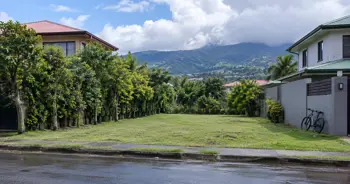
The lot market in October: what rose and what fell
Location and Value, Community Living
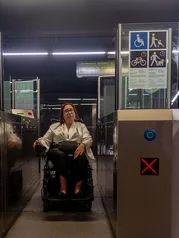
The impact of accessibility on the value of your property