
Guide for a safe and efficient move to your new home
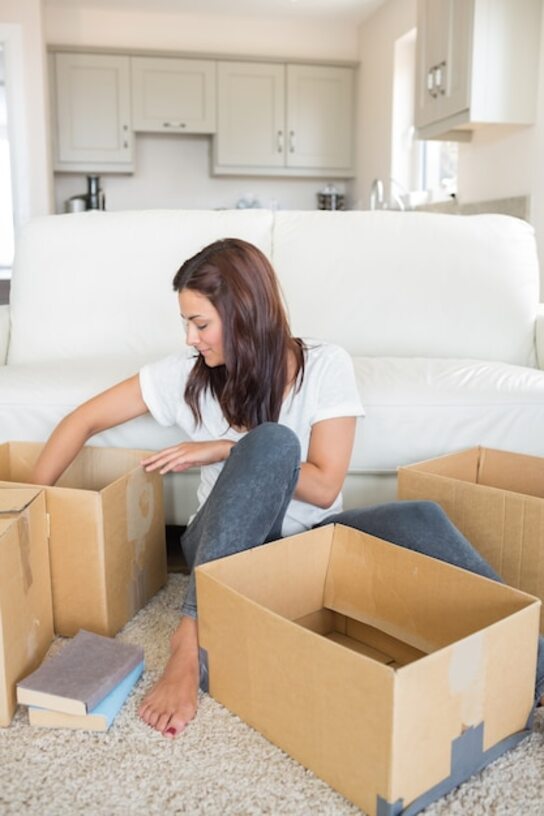
Are you ready to take the big step towards your new home? Moving can be an exciting experience, but it also comes with challenges that can cause stress. In this guide, we will offer you practical tips and effective strategies to make your move safe and efficient. From planning to adapting to your new environment, discover how to turn this process into an opportunity to start anew and enjoy every moment. Get ready to make your move a resounding success!
Pre-planning: How to organize your move from the beginning?
Pre-planning is the key to a smooth move. Before you start packing, it is essential to make a detailed inventory of all your belongings. This will not only help you decide what to take with you and what you can leave behind, but it will also allow you to organize yourself better during the process. Create a list of the items you want to keep, donate, or sell, and set a timeline for each stage of the move. Setting clear and realistic goals from the beginning will greatly facilitate the transition to your new home.
Once you have a clear idea of what you will take with you, it's time to design a logistical plan. Research different transportation options and get quotes if you decide to hire a moving company. Make sure to book in advance to avoid last-minute surprises. Additionally, consider asking for help from friends or family; their support can be invaluable in this process. Don't forget to contact your utility provider to coordinate the cutoff and connection dates at both homes, which will help make your move smoother and less stressful.
Advertisements
Checklists: Essential items to not forget anything.
Checklists are essential tools that will help you stay organized and reduce stress during the moving process. From choosing the moving date to inventorying your belongings, every step counts. Start by creating a task list with specific deadlines, which includes aspects such as hiring moving services, notifying providers, and preparing the new home. Having a clear overview will allow you to tackle each task with confidence and ensure that no important detail is overlooked.
Additionally, you can develop specific lists for different areas, such as the kitchen, the bathroom, and the bedrooms. This not only makes packing easier but also ensures that when you arrive at your new home, you have everything you need within reach. For example, in the kitchen, you could include essential utensils, appliances, and staple foods; while in the bathroom, you should consider items like towels, hygiene products, and medicines. With these well-crafted lists on hand, your move will be smoother, and you can enjoy the moment without feeling overwhelmed by the small details.
Smart Packaging: Tips on Materials and Techniques.
Smart packing is key to ensuring that your belongings arrive at your new home without setbacks. Start by choosing the right materials: sturdy cardboard boxes, bubble wrap to protect fragile items, and high-quality tape are just a few of the essentials. Don’t skimp on the size of the boxes; it's better to use several small ones than one overloaded large box, as this makes handling easier and minimizes the risk of damage. Additionally, make sure to label each box with its contents and the room it belongs to in your new home, which will help you organize more easily when unpacking.
In addition to the material, packing techniques also play a crucial role in an efficient move. Place heavier items at the bottom of the boxes and lighter ones on top to avoid crushing. Use clothing or towels as padding to protect delicate items, which not only ensures their integrity but also maximizes the use of space inside each box. When packing appliances or disassembled furniture, store screws and small parts in sealed bags attached to the items themselves; this will help prevent losing them during the move. By following these smart packing tips, you will not only protect your belongings but also facilitate a more organized and less stressful process when arriving at your new home.
Selection of professionals: How to choose the right moving company.
When choosing the right moving company, it is essential to research and compare different options. Start by asking for recommendations from friends, family, or colleagues who have had recent experiences with moving companies. You can also check online reviews and verify company ratings on specialized sites. Don't hesitate to create a short list of candidates to evaluate their services, experience, and rates. A good starting point is to ensure that the company is properly licensed and insured, which will provide you with peace of mind during the process. Once you have an initial selection, contact each company to obtain detailed quotes. It is essential that the estimates include all potential costs, such as loading, transportation, and unloading, as well as any additional charges for special services. Also, ask about their policies in case of damage or loss during the move. Remember that price should not be the only deciding factor; reputation and service quality are equally important to ensure your move goes smoothly. In the end, trust your instincts: choose a company that makes you feel confident and comfortable with their professional process.
Once you have selected the ideal company, make sure to clearly communicate your specific needs and any special requirements before the moving day. This includes details about fragile or bulky items that may require careful handling. Maintain good communication with the team in charge and do not hesitate to ask questions if something is unclear. Preparing an inventory of your belongings can be helpful for both you and them; this way you can track the progress during the move and easily identify any issues if they arise. With these steps well executed, you will be closer to achieving a safe and efficient move to your new home.
Safety during the move: Precautions to protect your belongings.
Safety during the move is a crucial aspect that should not be overlooked. Before starting, make sure to have sturdy boxes and appropriate packing materials to protect your belongings. Use bubble wrap or crumpled paper to wrap fragile items and avoid overloading the boxes, as this can lead to accidents when lifting them. Additionally, be sure to label each box with its contents and the room it belongs to in your new home; this will not only make the unpacking process easier but will also allow you to quickly identify those more delicate or valuable items.
On moving day, it is essential to maintain a safe environment for both you and the helpers. If you are using a professional moving company, make sure they have the necessary insurance and certifications to avoid any issues. If you decide to do it yourself, consider having a couple of friends or family members help you; they can be useful for loading and unloading heavy furniture or assisting in supervising the process. It is also important to clear the areas where large items will be moved, removing obstacles such as rugs or loose cables that could cause falls. Remember to take care of your own safety: wear comfortable and appropriate clothing for lifting heavy loads and take breaks when needed. With these precautions, you can enjoy a smoother and hassle-free move.
Adapting to the new home: Strategies to feel comfortable quickly.
Adapting to a new home can be a challenge, but with the right strategies, you can feel comfortable quickly. One of the first steps is to familiarize yourself with the space. Take some time to explore every corner of your new house, visualizing how you want to organize your belongings and where you would like to place the furniture. This will not only help you establish a sense of belonging, but it will also make your new environment feel more welcoming. Additionally, consider decorating with personal elements like photos, artwork, or mementos that evoke happy moments; this will help create a warm and familiar atmosphere from day one.
Another important aspect of adaptation is connecting with the community. Get involved in local activities or simply go for a walk in the neighborhood to meet your new neighbors. You can attend community events or visit nearby shops and cafes; these interactions will not only help you make friends, but also help you feel part of the new environment. Remember that every little step counts in this process; by integrating these habits into your daily life, you will soon realize that you have found your place in this new chapter.
Change of address: What to do with utilities and mail.
When you are in the middle of a move, one of the most important aspects to consider is the change of address for your utilities and correspondence. To ensure that your daily life is not interrupted, it is essential to notify the electricity, water, gas, and internet companies about your new address in advance. This not only guarantees that you will have these services from the first day in your new home, but also prevents potential extra charges for unused services at your old residence. Review each contract and make sure to schedule the disconnection and reconnection efficiently.
Also, don't forget to update your mailing address with the post office. This is crucial to receiving any important correspondence without issues. Generally, you can make this change online or by visiting a local post office. Also, consider informing banks, service providers, and other relevant contacts about your new address to avoid confusion or delays in receiving vital information. Taking these steps will help you settle in smoothly in your new home and ensure that everything flows normally from the start.
Initial decoration: Quick ideas to personalize your space.
Once you have arrived at your new home and feel a bit more settled, it’s time to think about the initial decor. Personalizing your space not only makes it cozier, but also helps create an environment that reflects your personal style and preferences. A quick way to start is to focus on key elements: choose a color palette that inspires you and use cushions, curtains, or rugs to introduce those tones. A couple of pieces of artwork or family photographs can immediately transform the feel of the place, making it more intimate and inviting.
Another effective trick is to use plants to add life to any room. Plants not only purify the air, but they also bring freshness and color. If you have no gardening experience, start with easy-to-care-for varieties like succulents or pothos. Additionally, consider using open shelves to display books and decorative objects that tell your personal story. This way, every corner becomes an opportunity to showcase who you truly are, turning your new home into a true sanctuary where every detail matters.
Community integration: Tips for getting to know your neighbors.
Integration into the community is a crucial step to truly feeling at home after a move. Getting to know your neighbors can not only ease your adaptation to the new environment but also provide you with a sense of belonging and support. An excellent way to start is by participating in local activities, such as fairs, markets, or community events. These spaces are ideal for interacting with other residents, exchanging experiences, and establishing connections that can enrich your daily life.
Also, do not underestimate the power of small actions. Greeting your neighbors when you see them, offering help, or even inviting them for a coffee can open the door to new friendships. Consider organizing a small gathering at your home; this will not only allow you to get to know your closest neighbors but will also give them the opportunity to get to know you better. Remember that every connection matters, and building a strong support network will help you enjoy your new home and the community around it even more.
Post-move reflection: Evaluating what has been learned and enjoying the change.
Once you have settled into your new home, it is the perfect time to reflect on everything you learned during the moving process. Each stage, from the initial planning to the final setup, is full of valuable lessons that can help you improve your organizational and time management skills. Consider which strategies worked well and which could be improved in future moves. This reflection will not only allow you to grow as an individual, but it can also make things easier for you if you decide to move again in the future.
In addition to assessing what you've learned, it's essential to take a moment to enjoy the change. Every corner of your new home represents an opportunity to create memories and live new experiences. Take time to personalize your space and explore the area; getting to know your neighbors and discovering local services can be rewarding and help you feel more connected to your new environment. Celebrating each small achievement, from unpacking the last box to organizing an inaugural dinner, can transform what initially was a challenge into a deeply enriching experience.
Advertisements
More in Adaptation
Preparation and Moving, Adaptation
Create a new beginning: preparations for a thoughtful move

Preparation and Moving, Adaptation
Guide to Making Key Decisions When Moving to Your New Home
Preparation and Moving, Adaptation
Guide to ensuring a smooth and trouble-free move
Preparation and Moving, Adaptation
Strategies for a move that maximizes your real estate investment
Most viewed in Preparation and Moving

Preparation and Moving, Moving
Tips for a successful move to your new home in Costa Rica

Preparation and Moving, Moving
Keys to ensure that your new home is a safe investment
Preparation and Moving, Transportation Services
Practical guide to ensure your move to an ideal new home
Preparation and Moving, Transportation Services
Practical tips for a move that protects your new investment