How to settle into your new home in Costa Rica
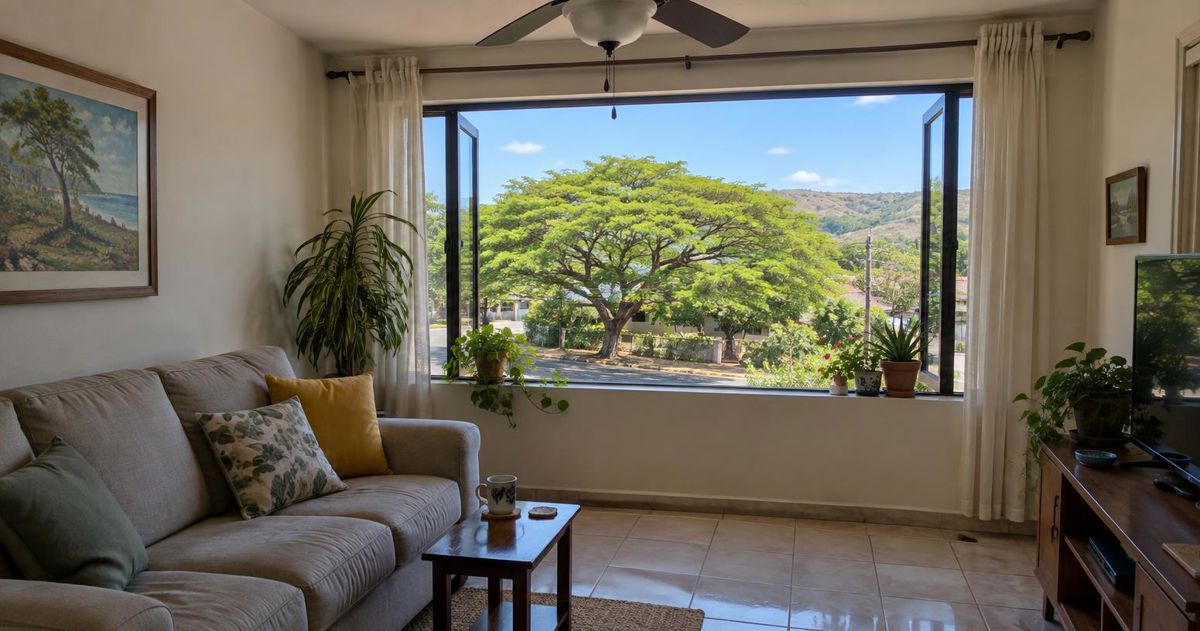
The move ends the day the truck leaves, but settling into a new home takes longer. This guide is for anyone who has just arrived at a rental home in Costa Rica, or at one of their own, and wants the first weeks to serve to set up the house, catch up on paperwork, meet the neighbors and help the children find their place.
Why is it hard to settle into a new house?
A move suddenly changes almost everything you used to do without thinking: the route to work, the corner store you trusted, the street noise, the light that comes in in the morning. You have to relearn where everything is, and that is tiring. Add the physical effort of packing and unpacking, the cost of the move and, often, the distance from family or from friends in the old neighborhood. That is why it is common for the first weeks in a new house to feel odd, even when the decision was a good one.
What is normal at first is a mix of feelings: excitement about the new space and, at the same time, homesickness, fatigue, some irritability or trouble sleeping with unfamiliar sounds. In Costa Rica this happens whether you move from Cartago to Guanacaste, where the climate and the pace of the day change, or just to another neighborhood in the same canton. That strangeness tends to fade as the house fills with routines and familiar faces. If after several months the discomfort does not ease, or it affects your sleep and work, it is wise to talk it over with a health professional.
It also helps to tell normal adjustment apart from a problem with the house. A kitchen that does not yet feel like yours is part of the process; damp walls, a neighborhood that is far from everything or a lease that does not fit your life are something else. If after a reasonable time you conclude the home does not work, you can calmly compare other homes for rent in Costa Rica and plan your next step without rush or guilt.
Advertisements
How do you make the new house your own with routines and a celebration?
The fastest way for a house to feel like yours is to go back to doing your usual things in it. Resume as soon as possible the meal, sleep and exercise schedules you had before the move. Set up first the spaces that hold up the day: the bed, the basic kitchen and the bathroom. The boxes of decorations can wait; the coffee maker and the sheets cannot. A full night of rest in the new house changes a great deal how the first weeks feel.
Then come the details that make a home: hanging photos, putting plants on the porch, arranging the books, choosing a spot for the keys. In a rental home, before drilling walls or painting, the prudent thing is to check with the owner and put it in writing; many improvements can be achieved with curtains, rugs, lamps and furniture that leave with you when you move. New routes are routines too: going for a walk at the same time, shopping at the same market, sitting in the same place for coffee.
Celebrating your arrival helps close the moving chapter. It does not have to be a big party: it can be a simple lunch with family, a coffee with the friends who helped carry boxes or a meal on the first weekend the house is in order. Many families in Costa Rica traditionally bless the house or make a small symbolic gesture on arrival; if that is part of your customs, it is worth keeping. If you invite people, let the next-door neighbors know and watch the volume and the time: it is your first impression in the neighborhood.
What personal paperwork should you handle after moving?
With the house half set up it is easy to leave paperwork for later, but updating your address early avoids problems: medical appointments at a distant center, lost mail or bills arriving at the old house. The list varies by family and each institution sets its own requirements, so the prudent thing is to check directly before you go. The table sums up the most common ones.
| Task | Where it is done | What to ask |
|---|---|---|
| Update your address and health center | CCSS, at the EBAIS or clinic in the new area | Which documents they require and which EBAIS serves your address |
| Transfer the children to another school | The current school and the new one | Whether there is a spot, which papers are needed and when to do it |
| Change of electoral address | Supreme Electoral Tribunal | How to request it if you want to vote near the new home |
| Address at the bank and at work | Your bank and the human resources department | How to update your contact details |
| Household utilities | The electricity, water, internet and cable companies | Whose name they are in; in a rental, what you agreed with the owner |
CCSS care is organized by area, so after a move the usual step is to visit the EBAIS or clinic that serves the new address to update your details. Do it before you need an appointment: it is easier in a quiet week than on the day someone gets sick. If someone in the family is on ongoing treatment, ask how the transfer of their medical record and medication is coordinated.
At school, the transfer depends on the current and the new institution, and on the point in the school year. Ask both which documents they require and whether there is a spot before committing to a date. In a rental, also check with the owner how the electricity and water bills are handled, and keep the meter readings from the day you received the house. That simple record saves you disputes at the end of the lease.
How do you meet the neighbors and get to know the neighborhood?
Introducing yourself to the neighbors does not take a grand gesture. A greeting on the sidewalk is enough: say your name and which house is yours, and ask something useful, such as when the garbage truck comes, where the nearest corner store is, or whether the water goes off at certain hours. In many neighborhoods in Costa Rica a good-morning greeting matters: returning it and taking a minute to chat opens doors. Some families bring a small gift, like homemade bread or fruit, to the houses next door; it is optional, but it tends to be remembered.
Knowing the neighbors also has a practical side. They are the ones who warn you about a water outage, take in a package for you or tell you there is a neighborhood security chat. Ask to be added to those groups and respect their rules: they are for alerts, not arguments. Over time, swapping numbers with two or three trusted neighbors gives peace of mind when you travel or when there is an emergency.
Walking the neighborhood at different times of day is the best way to find everyday services. These steps help you build your personal map of the area:
- Locate the nearest EBAIS, pharmacy and health center, and note their hours.
- Identify the corner store, the supermarket and the local farmers market, and the day the market sets up.
- Find the bus stop, the route that takes you to work or downtown and the time of the last bus.
- Locate the school, the park, the sports field and the neighborhood community hall.
- Write down a trusted hardware store, mechanic and locksmith, based on the neighbors' recommendations.
- Walk the neighborhood by day and by night to learn the lighting, the traffic and the noise at each hour.
How do you join the community beyond your street?
In Costa Rica, much of community life runs through the district or neighborhood development association, which organizes activities, pushes for improvements and usually uses the community hall. Asking about the next meeting or activity is a direct way to meet the people who look after the place. You do not need to take on a role: attending, listening and helping with one specific activity already puts you on the map.
There are other paths depending on your interests: the local church or religious group, the soccer teams or the pickup game at the field, walking or cycling groups, courses at the civic center or the municipality, and the fairs and fundraisers organized by schools and parishes. Shopping at the farmers market and at neighborhood businesses also builds ties: over time, the greeting from the produce seller or from whoever runs the soda becomes part of feeling at home.
If you plan to stay for many years, being part of the community also helps you decide about the future. Knowing what life is like in the area, which improvements are coming and how close-knit the neighborhood is gives you judgment on whether you want to buy there later. For a reference before that decision, you can check home prices in Costa Rica and compare them with what you already know about your community.
How do you help children adjust to the new house and school?
Children go through the move with less control than adults: they did not choose the house and they left behind friends, teachers and familiar corners. Talk to them about the change in advance and in simple words, listen to what they miss and do not downplay that sadness. It is normal for them to be more sensitive at first, to have trouble sleeping or to ask for company at night. Patience and their usual routines give them security.
Inside the house, let them take part: let them choose where their bed goes, how to decorate their room or which toy gets unpacked first. Set up their space among the first things in the move and keep meal, homework and bedtime schedules. If possible, keep in touch with friends from the old neighborhood by video call or with a visit; cutting everything off at once makes the change harder.
With the new school, it helps to visit before the first day, learn the route and introduce yourself to the teacher or homeroom teacher. Tell them about any special need or family situation that could affect the first weeks. Activities outside the classroom, such as a sports team, a music class or catechism, are a quick way for children to make friends in the neighborhood. If after a while the child is still withdrawn or keeps struggling, talk with the school and, if needed, with a professional.
What we would do in the first weeks
- Set up the bed, the basic kitchen and the bathroom on day one, and resume our usual schedules from the first week.
- Update our address with the CCSS, the bank, our employer and the school, and note the meter readings when receiving the house.
- Introduce ourselves to the next-door neighbors and ask about the development association and the neighborhood alert groups.
- If the house does not work after a reasonable time, compare options among cheap homes for rent in Costa Rica before renewing the lease.
- If the community convinces us to stay, review homes for sale in Costa Rica and cheap homes for sale in Costa Rica to plan a purchase in good time.
Frequently asked questions
How long does it take to feel at home?
It depends on each person and each family, and this guide does not set a timeframe. What does help is resuming meal, sleep and exercise routines early, setting up first the spaces that hold up the day and filling the house with familiar faces. The strangeness tends to fade over time; if the discomfort does not ease over the months or affects your sleep and work, it is wise to talk it over with a health professional.
What should I do with the CCSS after moving?
As explained in the paperwork section, the usual step is to visit the EBAIS or clinic that serves the new address to update your details, preferably before you need an appointment. The institution decides which documents it asks for, so it is worth checking before you go. If someone in the family is on ongoing treatment, ask how the transfer of their medical record and medication is coordinated.
Do you need to bring the neighbors a gift?
No. A greeting, saying your name and which house is yours, and taking the chance to ask something useful about the neighborhood, such as the garbage schedule or where the corner store is, is a good way to introduce yourself. Some families bring a small gift, like homemade bread or fruit, to the houses next door; it is optional, but it tends to be remembered. What matters most over time is returning the greeting and taking a minute to chat.
This guide sums up common practice in Costa Rica for settling into a new home and its community. Each institution sets the requirements for its own procedures, and this guide does not replace the advice of a lawyer or a notary on the legal aspects of your rental or purchase.
Advertisements