
Plan your move with confidence and avoid unpleasant surprises.
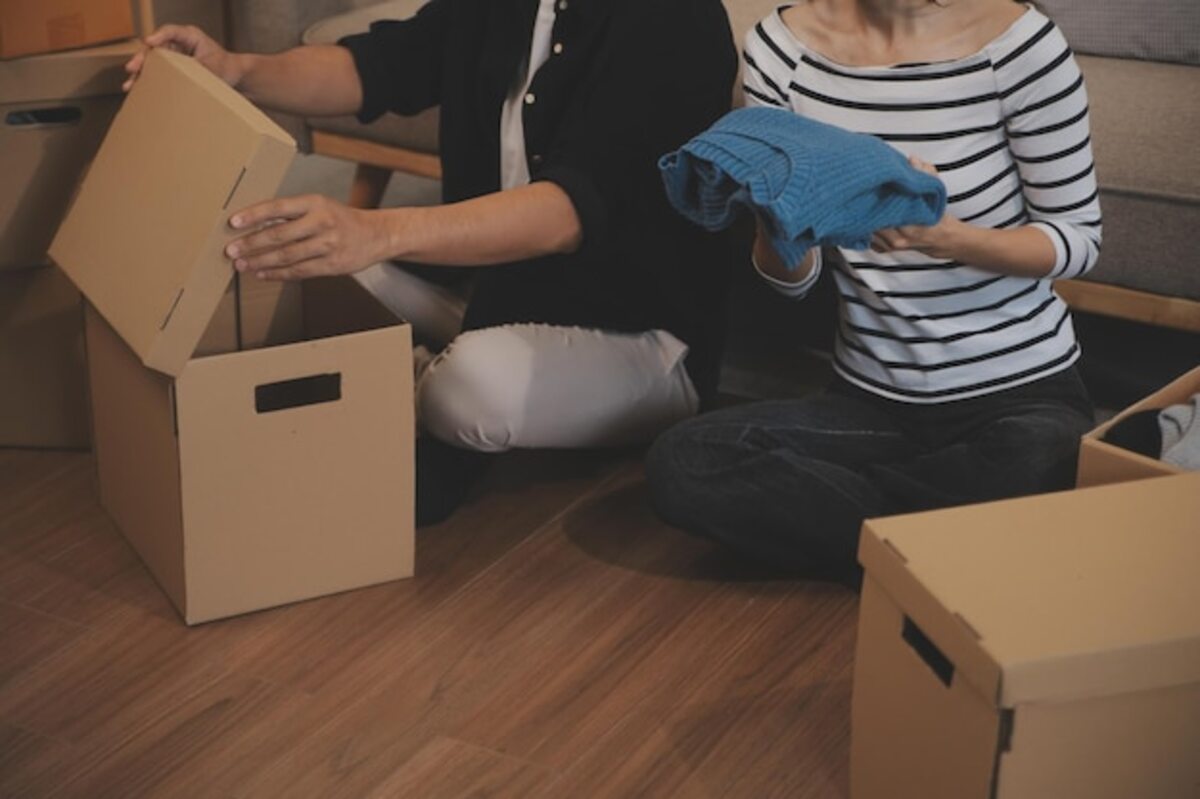
Planning a move can seem overwhelming, but with the right strategy, you can carry out this process with confidence and without setbacks. Avoiding unpleasant surprises is key to ensuring your adjustment to the new home is successful. In this article, we will provide practical and effective tips so that each stage of your move is a step toward tranquility and not toward stress. Get ready to transform this experience into an exciting moment full of possibilities.
Set a clear timeline for your move.
Establishing a clear timeline for your move is essential to ensure that each activity is carried out in an orderly manner and without rush. Start by setting a moving date and work backward, breaking down the tasks you need to complete before the big day. This includes finding boxes, hiring a moving company, or organizing transportation, as well as planning the cleaning of your old home. By assigning specific deadlines to each task, you ensure that you maintain control over the process and avoid the buildup of activities in the days leading up to the move.
A good schedule not only helps you manage your time better, but it also allows you to identify potential obstacles in advance. For example, if you know that you need several days to pack all your belongings, you can start this process well ahead of time. Additionally, sharing this schedule with family or friends who can help you can make everything smoother; they will be able to offer you their support at key moments. Remember to be flexible, as unexpected events may arise, but having a clear plan will allow you to adapt quickly without losing sight of your goals.
Advertisements
Make a detailed inventory of your belongings.
Making a detailed inventory of your belongings is one of the most crucial steps in planning a move. This process will not only help you get a clear idea of what you own, but it will also allow you to identify items you may no longer need. Start by going through each room and listing all the items, from large furniture to small appliances. Once you have your list, you can categorize your belongings into different groups: keep, donate, sell, or discard. This initial organization will make packing easier and provide you with an overview to avoid unwanted surprises during the move.
In addition to simplifying the packing process, a detailed inventory also serves as a valuable tool for tracking your belongings during the move. Upon arriving at your new home, you can quickly check if everything has arrived in good condition and without losses. It can also be useful for insurance purposes; in the event of damage or loss, having a clear record will make it easier for you to file claims more effectively. Remember to include photographs when possible and keep the inventory in an accessible place both before and after the move; this way, you can ensure that this stage is carried out with the least amount of inconvenience possible.
Choose the best moving company: what to consider?
Selecting the best moving company is one of the most crucial decisions in the relocation process. To make an informed choice, it is essential to research thoroughly. Start by asking for recommendations from friends and family or checking online reviews to identify companies with a good reputation. Ensure that they are properly registered and have adequate insurance to protect your belongings during transport. Do not hesitate to request detailed quotes, as this will allow you to compare prices and services offered, avoiding surprises in the final cost.
In addition to the economic aspects, consider the quality of customer service provided by the moving company. Clear and effective communication can make all the difference in a stressful time like a move. Ask about their cancellation policies, estimated delivery times, and what type of packaging they use to protect your most fragile items. A professional team should not only be competent in their work but also be willing to address all your concerns, providing you with the peace of mind needed to carry out your move smoothly.
Smart packaging: recommended techniques and materials
Smart packing is essential to ensure that your belongings arrive at your new home in perfect condition. One of the most effective techniques is the pre-sorting of items. Before you start packing, separate your belongings into categories such as “essentials,” “fragile,” and “non-essentials.” This will not only make the packing process easier but also allow you to quickly identify what you need upon arriving at your new space. Additionally, consider labeling each box with its contents and the room they belong to; this will save time and effort during unpacking. Regarding materials, investing in sturdy boxes and bubble wrap can make a significant difference in protecting your items. Boxes of different sizes are ideal for accommodating both small and large items, while bubble wrap or blankets are excellent for wrapping fragile objects. You can also reuse towels or old clothing as cushioning material to protect your belongings without generating additional waste. Don't forget to ensure you have strong tape and permanent markers on hand; these items are essential for sealing the boxes well and maintaining an organized system throughout the move.
Remember that good packing is not only about protecting your belongings but also about making your life easier when moving. Always make sure to keep the most important items with you, such as personal documents, chargers, or basic hygiene products, in a separate backpack or box. At the end of the day, well-planned packing not only minimizes the risk of unpleasant surprises but also transforms your move into a much smoother and more organized experience.
Effective communication: inform your suppliers and contacts of the change
Effective communication is essential during any move, and one of the first actions you should take is to inform your providers and contacts about the change of address. This includes essential services like water, electricity, internet, and telephone. Make sure to notify them well in advance to avoid interruptions in these necessary services. It is also important to update your address with financial institutions, doctors, and any subscriptions you may have. A simple lack of communication could lead to uncomfortable or even more complicated situations during the transition to your new home.
In addition to service providers, consider notifying your friends and family about your move. Keeping your loved ones informed not only allows them to offer you logistical support if needed, but it can also result in emotional contact that helps you feel more connected during this period of change. Use various digital tools to facilitate this task; for example, creating a group on social media or sending emails can be a quick and effective way to keep everyone updated. By ensuring that everyone is informed about your new address, you create a more organized environment and minimize the risk of future inconveniences.
Prepare your new home before arriving: necessary cleaning and repairs.
When facing a move, one of the most important steps is to prepare your new home before arriving. This includes doing a deep clean and carrying out necessary repairs. By entering a clean and organized space, you will not only create a welcoming environment, but you will also be able to identify and address any issues that may have gone unnoticed during the initial visit. From cleaning carpets to disinfecting surfaces, these small details make a big difference in the comfort of your new home.
Additionally, making repairs before moving in can save you time and effort in the future. If there are leaks in the roof, faulty outlets, or cracks in the walls, addressing them in advance will allow you to enjoy your new home without interruptions or worries later on. Consider creating a prioritized task list to ensure everything is ready when you arrive. This way, you can focus on what matters most: enjoying the change and starting this new chapter with peace and joy.
Adapting to the new neighborhood: keys to quickly integrate
Adapting to a new neighborhood can be a challenge, but it is an exciting opportunity to build new relationships and settle into your environment. One of the keys to integrating quickly is to get involved in the local community. Participating in neighborhood events, fairs, or organized activities can help you meet your new neighbors and create meaningful bonds. Also, do not underestimate the power of a simple smile or greeting when you pass someone: these small interactions can open doors to deeper conversations and lasting friendships.
Another effective strategy is to explore the local services and businesses around you. Visiting cafés, shops, parks, and recreational centers will not only help you get familiar with the area, but it will also allow you to discover what makes your new neighborhood unique. Consider joining groups or clubs that align with your interests; this will not only expand your social circle but also integrate you into activities that you enjoy. Remember that patience is key: every step towards integration counts, and over time, you will start to feel at home in your new community.
How to stay calm on moving day
Staying calm on moving day is essential for everything to go smoothly. It's natural to feel anxiety about such a significant change, but there are several strategies you can implement to reduce stress. One of the most effective is to establish a realistic schedule and stick to it. Start your day early and make sure you have enough time to tackle each task without rushing. Additionally, having a list of steps to follow can help you visualize progress and keep you focused on what you need to do.
Don't forget to include moments of pause in your planning. Taking short breaks will allow you to recharge and reflect on the progress made, which can be very rewarding. It is also important to have a support team; whether friends or family, their presence will not only make the physical burden easier to bear, but they will also provide companionship and motivation on this special day. At the end of the day, remember to celebrate your achievements and enjoy the new beginning that awaits you at home.
Strategically unpack: do it efficiently and without chaos.
Unpacking can be as challenging as packing, but with a strategic approach, you can turn it into a more manageable task. Start by establishing a plan that allows you to tackle each room systematically. Instead of opening all the boxes at once and creating chaos, choose one room and focus on it. This not only makes the process easier but also gives you a sense of accomplishment as you see the space transform. Additionally, make sure to have basic tools like scissors and tape handy to facilitate box opening, as well as trash bags, which will help you keep things organized from the start.
Another important tip is to label the boxes properly before the move. If you have already sorted the items by room and marked each box clearly, you will be able to quickly locate what you need without wasting time searching in multiple places. Additionally, consider unpacking the essential items first: basic kitchen items, necessary clothing, and personal hygiene products should be within immediate reach. This will not only make your new life start smoothly but also allow you to feel more comfortable as you continue the organization process in your new home. With a little careful planning and patience, you can turn the act of unpacking into a smooth and satisfying experience.
Advertisements
More in Adaptation
Preparation and Moving, Adaptation
Create a new beginning: preparations for a thoughtful move

Preparation and Moving, Adaptation
Guide to Making Key Decisions When Moving to Your New Home
Preparation and Moving, Adaptation
Guide to ensuring a smooth and trouble-free move
Preparation and Moving, Adaptation
Strategies for a move that maximizes your real estate investment
Most viewed in Preparation and Moving

Preparation and Moving, Moving
Tips for a successful move to your new home in Costa Rica

Preparation and Moving, Moving
Keys to ensure that your new home is a safe investment
Preparation and Moving, Transportation Services
Practical guide to ensure your move to an ideal new home
Preparation and Moving, Transportation Services
Practical tips for a move that protects your new investment