
Strategies for a move that maximizes your real estate investment
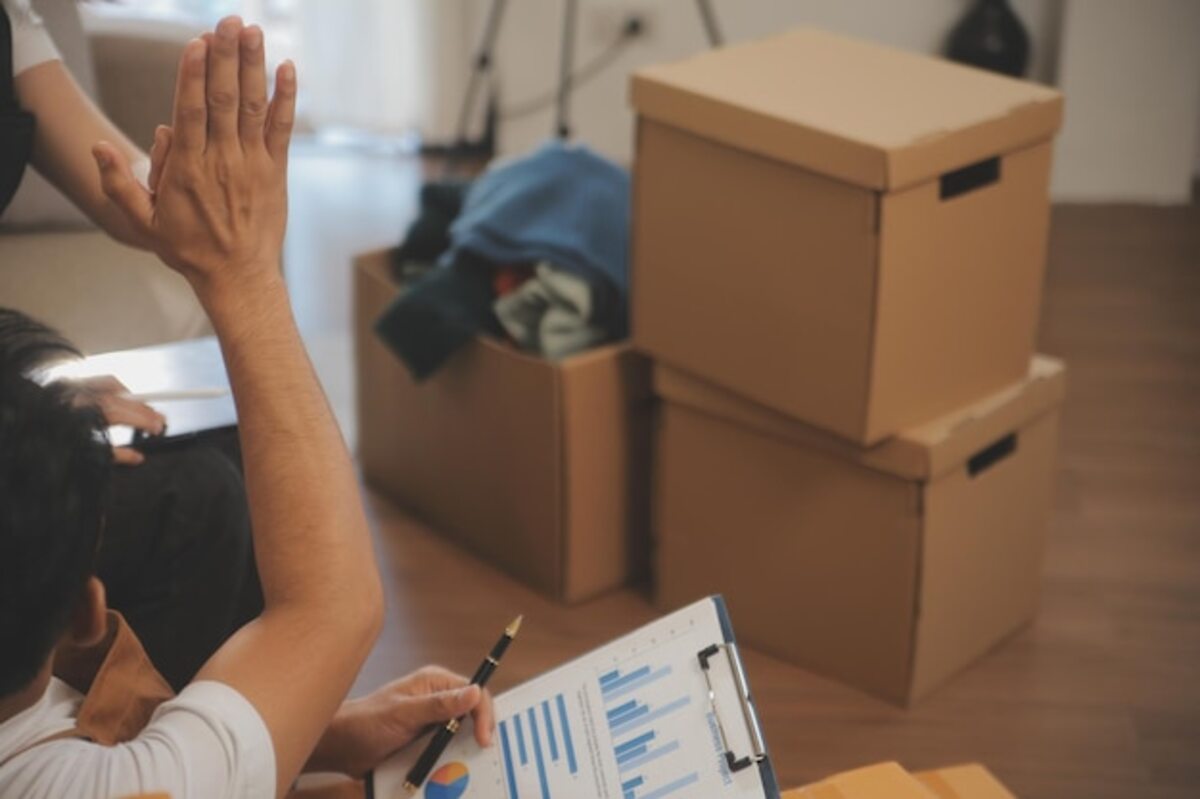
Smart strategies for a move can be the key to maximizing your real estate investment. In Costa Rica, the moving process involves not only relocating your belongings but also maximizing the value of your new home. With a strategic and well-planned approach, you can ensure that each step of your move contributes to enhancing the appreciation of your property. Discover how to make this transition more efficient and profitable with our expert recommendations.
Advance planning: The first step towards a successful move
Advance planning is essential to ensure a successful move and maximize the value of your real estate investment. Starting this process early will allow you to organize every detail, from selecting the moving date to creating a detailed inventory of your belongings. Establishing a clear timeline not only reduces the stress associated with this transition but also ensures that no essential task is overlooked. By planning ahead, you can assess which items you really need to take with you and which could be sold or donated, making your move easier and enhancing the appeal of your new home by eliminating clutter.
Additionally, good planning includes researching your new community and how you can integrate into it before moving. This may involve learning about local services, nearby schools, or recreational spaces available in the area. The more informed you are about your new environment, the better you can adapt and make the most of the advantages it offers. Likewise, if you decide to make renovations or improvements to your new home before moving in, having this information will help you make better decisions that increase its long-term value. In summary, spending time on advance planning not only simplifies the logistical process of the move but also lays the groundwork for a successful future in your new property.
Advertisements
Real estate market evaluation: When is the best time to move?
The evaluation of the real estate market is a fundamental step in determining the optimal time to move. Analyzing local market trends, such as housing supply and demand, can provide you with clues about when it is most favorable to make a purchase or sale. In general, the spring and summer months tend to be more active in the real estate sector, which could translate into better prices and available options. However, it is also important to consider broader economic factors, such as interest rates and employment stability in your area. Stay informed about these variables to make strategic decisions that maximize your investment.
In addition to observing the seasonal patterns of the market, it is crucial to assess your personal and financial needs when moving. Ask yourself if you are ready to take on the moving process: do you have enough savings to cover the associated costs? Does your job situation allow for geographical flexibility? Reflecting on these aspects will help you align your plans with a favorable market environment. Never underestimate the power of good planning; choosing the right moment will not only enable you to get a better deal on your new property but will also facilitate the transition to your new home without significant setbacks.
Effective organization: How to sort and pack your belongings
Effective organization is a fundamental pillar for a successful move and can also positively influence the valuation of your new property. To start, sorting your belongings is essential. Divide your items into categories: what you will take, what you can donate or sell, and what you need to discard. This sorting will not only make the packing process easier but will also allow you to get rid of unnecessary items that could take up space in your new home. By reducing the amount of things you are moving, you not only save time and effort but also optimize the available space in your new residence.
Once you have sorted your belongings, the next step is to pack them strategically. Use sturdy boxes and label them clearly with the contents and the corresponding room. This will make unloading and organizing easier when you arrive at your new home. Additionally, consider packing items by use or frequency; for example, essential items should be readily accessible while others can be stored for later access. Good organization not only minimizes stress during the move but also helps maintain an orderly environment from day one in your new property, which is crucial for maximizing its appeal and functionality in the long term.
Investment in professional services: Moves that are worth it
When it comes to moving, the importance of investing in professional services is often underestimated. Although it may seem like an expensive option at first, hiring moving experts can be a decision that truly pays off. These professionals not only provide an efficient and safe service for transporting your belongings, but they also bring experience in handling fragile and bulky items, which minimizes the risk of damage. By ensuring that all your goods arrive at your new home in perfect condition, you help maintain and potentially increase the value of your real estate investment.
Additionally, professional services often include advice on the best use of space in your new home. This is crucial for optimizing every corner and maximizing the functionality of the place. An experienced team can help you arrange your furniture and decorations strategically, creating a cozy and appealing environment that not only enhances your quality of life but also increases the overall attractiveness of the property to future buyers or renters. Investing in these services is a smart way to ensure that your move is not just a physical change, but also an opportunity to enhance your long-term real estate investment.
Strategies to enhance the visual appeal of your new home
To enhance the visual appeal of your new home, start by deep cleaning and depersonalizing the spaces. Removing items that reflect your personal preferences, such as family photos or very specific decorations, allows potential buyers to envision themselves living in the space. Additionally, a clean and organized environment is not only more inviting but also helps to highlight the architectural features of the home. Consider investing in a fresh coat of paint in neutral colors; this can instantly transform any room and make it look larger and brighter.
Another effective strategy is the proper arrangement of furniture and decor. Make sure that each space is well utilized and flows naturally to facilitate circulation. Use furniture proportional to the size of the rooms; pieces that are too large can make a space feel cluttered. Also consider adding decorative elements such as plants or well-chosen artwork, as these touches can bring life to the environments without overwhelming them. Finally, pay attention to lighting: maximize natural light by opening curtains and using mirrors strategically to create a sense of spaciousness and warmth in every corner of your new home.
The importance of keeping financial records during the move
Maintaining financial records during the moving process is crucial to ensure that every expense is justified and optimized. From transportation costs to utility expenses and renovations, having detailed tracking will allow you to evaluate the economic viability of each decision you make. By documenting these expenses, you will not only be able to identify areas where you can save but also have a clear view of your long-term return on investment. This is especially important if you plan to sell your property in the future or if you want to make improvements that increase its value.
In addition, having accurate financial records will make it easier for you to create more realistic budgets for future moves or home-related projects. Transparency in your finances will allow you to make informed decisions about what improvements to make and when to do them, thereby maximizing the appreciation potential of your property. At the end of the day, proper documentation not only simplifies your accounting processes but also provides you with the peace of mind needed to focus on enjoying your new space without financial worries.
Adaptation to the new community: Integration that adds value to your property
Adapting to a new community is a crucial aspect of the moving process that is often overlooked but can add significant value to your property. By integrating into your neighborhood, you not only build relationships with your neighbors, but you also become familiar with local features and available services. This can positively impact the perception of your home and its surroundings, which is essential for increasing its long-term value. Participating in community activities, such as local events or interest groups, will not only help you feel more comfortable in your new home, but it will also foster a sense of belonging that can be appealing to future buyers.
Knowing the resources and benefits of the area where you reside will allow you to make informed decisions about possible improvements or changes to your property. For example, if you discover high-quality schools or well-maintained parks near your home, you can use this information to highlight these features when selling. Additionally, getting involved in the community gives you the opportunity to contribute ideas and actively participate in the improvement of the neighborhood, which can result in an overall increase in property value. In summary, effective integration will not only enrich your personal experience as a new resident but also enhance the appeal and future value of your real estate investment.
Updating essential documents and services in your new home
Moving to a new home not only involves the physical relocation of your belongings but also a series of administrative updates that are essential to ensure the continuity and security of your services. One of the first steps to consider is updating your address on essential documents such as your cédula, driver's license, and bank records. Make sure to inform the relevant institutions about your new location to avoid issues with receiving important correspondence and to keep your personal information up to date. This process contributes not only to legally establishing yourself in your new home but also to facilitating future transactions related to the property.
In addition to personal documents, it is crucial to review and transfer essential services such as electricity, water, internet, and gas. Efficient management of these services not only improves your quality of life from day one in your new home but can also influence the perceived value of the property. A well-equipped home with updated and properly functioning services is more attractive both to you and as a potential future owner. Consider opting for local providers that can offer you competitive packages or discounts for being a new customer; this not only optimizes your initial investment but can also generate significant savings in the long run.
Tips to avoid common mistakes in the moving process
Avoiding common mistakes during the moving process is essential to maximize your real estate investment. One of the most frequent mistakes is not adequately planning the time and resources needed. It is crucial to create a detailed schedule that includes every stage of the move, from organization and packing to transportation and installation in the new home. By doing so, you will be able to identify potential setbacks in advance and have solutions ready to avoid unpleasant surprises that could affect your budget.
Another aspect to consider is the proper selection of professionals to assist you in the process. Many people underestimate the importance of hiring a reliable moving company or try to save money by asking inexperienced friends for help. This can result in damage to your belongings or even additional costs due to unforeseen delays. Research and compare services, read reviews, and make sure to choose an option that offers guarantees about their work. With these precautions, you can minimize risks and ensure that your move goes smoothly, thereby contributing to the overall success of your real estate investment.
Advertisements
More in Adaptation

Preparation and Moving, Adaptation
Create a new beginning: preparations for a thoughtful move

Preparation and Moving, Adaptation
Guide to Making Key Decisions When Moving to Your New Home
Preparation and Moving, Adaptation
Guide to ensuring a smooth and trouble-free move

Preparation and Moving, Adaptation
Navigate the moving process: tips for secure buyers
Most viewed in Preparation and Moving

Preparation and Moving, Moving
Tips for a successful move to your new home in Costa Rica

Preparation and Moving, Moving
Keys to ensure that your new home is a safe investment

Preparation and Moving, Transportation Services
Practical guide to ensure your move to an ideal new home
Preparation and Moving, Transportation Services
Practical tips for a move that protects your new investment