
Essential aspects to ensure a smooth move
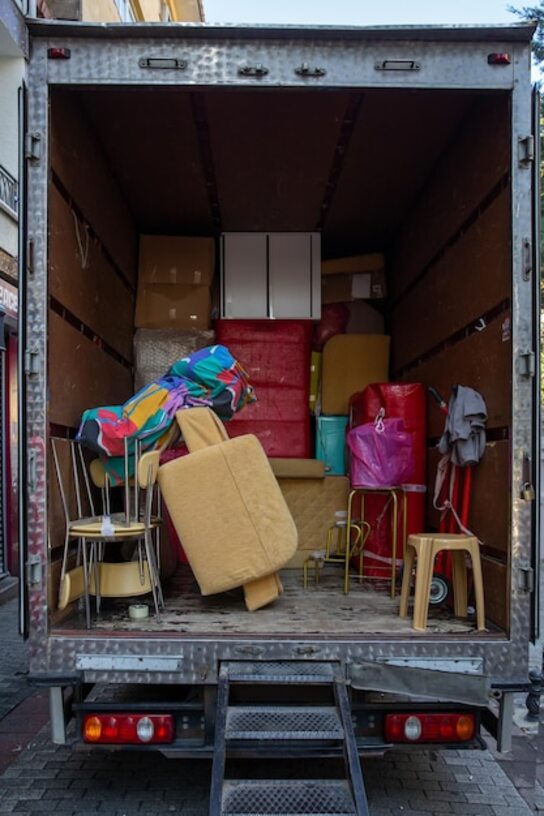
Ensuring a smooth move is an art that requires planning and attention to detail. In this article, I will provide you with an essential checklist that will facilitate each stage of the process, from organization to moving day. With practical tips and effective strategies, you can avoid unpleasant surprises and enjoy this new adventure with peace of mind. Get ready to discover how to make your move a positive and stress-free experience.
Set a detailed timeline for your move.
Establishing a detailed timeline for your move is essential to ensure that every aspect is covered and completed at the right time. Start by setting a moving date and then work backward from there. Make a list of all the tasks you need to complete, such as hiring a moving company, gathering supplies, organizing your current home, and packing. Assign specific deadlines for each activity and be sure to account for any eventualities that may arise. A clear timeline will allow you to visualize progress and adjust to changes as needed.
Also, don't forget to include breaks and review your progress in your schedule. Planning can become overwhelming if time is not managed properly. Remember that each stage of the process is important: from the disconnection of services to updating your address with important institutions. By establishing a detailed schedule, you will be able to manage your time better and reduce the stress associated with the move. This way, you will feel more prepared and confident when arriving at your new home.
Advertisements
Create a complete inventory list.
To ensure a smooth move, creating a complete inventory list is essential. This document will not only help you maintain a clear record of all your belongings, but it will also facilitate organization during the packing and unpacking process. Start by going through each room in your home and noting down all the items you own, from large furniture to small items like kitchen utensils or decorations. By doing this, you will have an overview of what you need to move and be able to decide if there are items you no longer use that could be donated or sold.
Once you have completed your inventory list, it is advisable to categorize the items and assign them a status (for example: packed, in use, or ready for transport). You may also consider adding reference numbers to the boxes where you store these items, so that upon arriving at your new home, it will be easier to find what you need without having to open each box. This method not only optimizes time during the move but also reduces the likelihood of losing important belongings. With a well-structured inventory in hand, you will be able to tackle your move with confidence and peace of mind.
Organize your belongings by categories
Organizing your belongings by categories is a fundamental step to ensure that your move goes smoothly. By grouping your items into categories such as clothing, kitchen utensils, bathroom items, and important documents, you will not only make the packing process easier but also gain a clearer view of what you actually own. This is especially useful for identifying those items that you no longer need and could donate or sell before the big day. In this way, you will reduce the number of things to move and be able to start your new life in a more organized space.
Once you have categorized your belongings, consider labeling each box with its contents and the room to which they belong. This will not only simplify the unpacking process in your new home but will also help you keep things organized from the start. Effective organization means less stress during the move and a much smoother transition when you arrive at your new space. Remember to take the time to plan and organize; this will make the difference between a chaotic move and a pleasant experience.
Choose the appropriate transportation for your needs.
Choosing the right transportation for your needs is a crucial step in planning your move. Depending on the amount of belongings you plan to relocate, you might consider renting a small van or a larger moving truck. If you only have a few pieces of furniture and boxes, a smaller vehicle may be sufficient; however, if you are making a full move, it's worth considering hiring a professional service that offers suitable trucks and trained personnel to handle the process. Be sure to also assess the distance between your old home and the new one; this will influence the type of transportation you need.
Don't forget to consider the transportation costs. Comparing different options will allow you to find the best value for money. Additionally, check the reviews and recommendations about the moving companies you are considering. Ask about insurance for your belongings during the move and make sure to understand all the terms of service before making a final decision. By choosing the right transportation, you will not only be protecting your goods but also ensuring a more efficient and less stressful moving process.
Pack strategically: useful tips and tricks
Strategic packing is key to ensuring that your move goes smoothly. Start by sorting your belongings into categories: what you need to have on hand, what can go in boxes, and what you can donate or sell. Use boxes of different sizes to optimize space and make sure to label them clearly. This will not only facilitate loading and unloading but also help you quickly find essential items once you arrive at your new home.
Another useful technique is the "top-down" method. Place the heavier and more durable items at the bottom of the boxes and the lighter ones on top. Additionally, use packing materials such as bubble wrap or blankets to protect fragile items. If possible, pack a box with the essentials for the first day in your new home: clothing, basic utensils, and personal hygiene items. This way, you can avoid chaos upon arrival and enjoy a more relaxed start in your new place.
Notify public services and relevant providers
Notifying the relevant utilities and providers is a crucial step in the moving process that is often overlooked. Before your moving date, make sure to inform the electricity, water, gas, internet, and television providers about your change of address. This not only ensures that these services are active in your new home from day one, but it will also help you avoid unnecessary interruptions. It is advisable to make these notifications at least two weeks in advance to facilitate any necessary adjustments or disconnections.
Additionally, don't forget to check other services like the postal service and any subscriptions you may have. Contact the post office to set up a temporary mail forwarding to ensure you receive all important correspondence at your new address. Likewise, if you belong to any clubs or have subscriptions (magazines, gyms, etc.), inform them about your move so they can update their database. This attention to detail will not only make your transition process smoother, but it will also give you invaluable peace of mind as you adjust to your new home.
Prepare your new home before arrival
Preparing your new home before your arrival is a crucial step to ensure that your move goes as smoothly as possible. Before moving in, take the time to clean and organize the space. This includes sweeping, mopping, and disinfecting the areas that have not yet been occupied. Additionally, make sure to check the condition of the electrical and plumbing installations, as well as any aesthetic details you wish to adjust, such as painting or making minor repairs. By having everything in order from day one, you can focus on unpacking and settling in your belongings without distractions.
Also, consider the arrangement of the furniture before you arrive. You can make a simple plan of the new space and decide where you want to place each piece of furniture. This will facilitate a quicker setup and prevent the chaos that can arise when trying to find a suitable place for each item once you arrive. If you have children or pets, plan for their adjustment to the new environment as well; create a safe area where they can feel comfortable while you take care of the final details. Preparing your home in advance not only improves the efficiency of the moving process but also contributes to a more harmonious transition to your new life.
Tips for quickly adapting to your new environment
Adapting to a new environment can be an exciting challenge, but it can also create anxiety if not approached properly. One of the first steps to ease this transition is to explore your new neighborhood. Take a walk through the nearby streets, visit local shops, and familiarize yourself with the available services, such as supermarkets, pharmacies, and parks. This exploration will help you feel more connected to your new home and identify the places that will become part of your daily routine.
Additionally, establishing a social network in your new community can work wonders for your emotional well-being. Participate in local activities, join clubs or interest groups, or simply greet your neighbors. Don't underestimate the power of small interactions; building meaningful relationships from the outset will provide you with a sense of belonging and support during this adjustment period. Remember that taking the time to personalize your space will also contribute to feeling more comfortable and happy in your new home.
Advertisements
More in Checklist

Preparation and Moving, Checklist
How to create a cozy space in your new home from the start
Preparation and Moving, Checklist
Tips for ensuring a safe and confident move

Preparation and Moving, Checklist
Keys to ensure a smooth transition to your new home

Preparation and Moving, Checklist
Tips for establishing a moving plan tailored to your family
Most viewed in Preparation and Moving

Preparation and Moving, Moving
Tips for a successful move to your new home in Costa Rica

Preparation and Moving, Moving
Keys to ensure that your new home is a safe investment
Preparation and Moving, Transportation Services
Practical guide to ensure your move to an ideal new home
Preparation and Moving, Transportation Services
Practical tips for a move that protects your new investment