
Keys to establishing a safe home in your new location
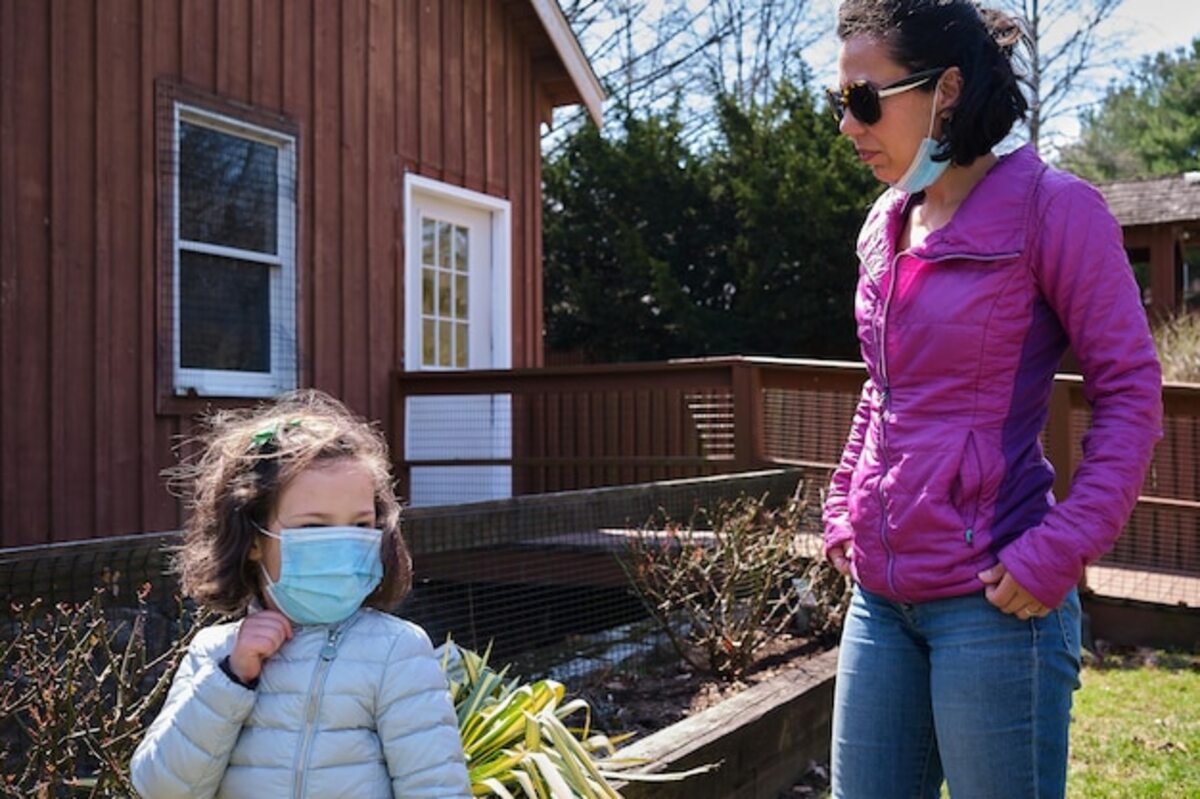
Establishing a safe home in your new location is crucial for enjoying a peaceful and worry-free life. Whether you're moving to a new city or a different neighborhood, it's essential to take proactive steps to ensure the safety of your family and belongings. In this article, we provide you with a checklist of simple and effective keys to turning your new space into a safe haven. Get ready to live stress-free as you settle into your new home.
Evaluate Neighborhood Safety
When moving to a new location, one of the first steps you should take is to assess the safety of the neighborhood. Researching crime rates in the area can provide you with a clear perspective on the environment. Check online sources, such as crime statistics websites or community networks, and feel free to talk to neighbors for more direct and personal information. Often, those who reside in the area can give you details about specific situations and the general sense of safety experienced there.
In addition to the statistics, observe the physical environment of the neighborhood. A well-lit community, with clean and maintained streets, as well as the presence of security cameras or police patrols, can be indicative of a safe place. It is also advisable to visit the area at different times of the day to get a complete idea of the daily behavior and interaction among residents. Remember that a safe neighborhood not only protects your material belongings; it also contributes to the emotional and social well-being of your family, creating a space where everyone feels comfortable and protected.
Advertisements
Reinforce the Entrances and Windows
Reinforcing the entries and windows of your home is one of the most effective measures to increase security. Start by evaluating the main doors; ensure they are made of sturdy materials, such as solid wood or metal, and that they have high-quality locks. Consider installing additional deadbolts on the back or side doors, as they are often weak points in home security. Don't forget to also check the door frames: a good frame can make the difference between a secure door and a vulnerable one. Additionally, adding a security system that includes an alarm or cameras can provide you with extra peace of mind.
Regarding windows, it is essential to secure them properly to prevent intrusions. Use special window locks or even decorative bars if you live in a higher-risk area. You can also opt for tempered or laminated glass, which is more difficult to break. Additionally, consider implementing curtains or blackout blinds to maintain privacy and deter potential intruders by not allowing them to see inside your home. Remember that exterior lighting also plays a crucial role; installing automatic lights with motion sensors can help prevent undesirable situations by illuminating dark areas around your entrances and windows at night.
Install Alarm and Monitoring Systems
Installing alarm and monitoring systems is one of the most effective measures to ensure the security of your home. These systems not only act as a deterrent to potential intruders but also provide you with peace of mind knowing that your property is protected 24 hours a day. There are various options on the market, from simple alarms that emit a sound when motion is detected to more advanced solutions that include surveillance cameras and real-time notifications to your mobile phone. Choosing the right system will depend on your specific needs and the size of your home.
Additionally, the installation of a monitoring system may include professional services that supervise your property even when you are not present. This means that in the event of any suspicious activity, the professionals can take immediate action, either by contacting the police or informing you directly. Complementing these systems with sensors on doors and windows, as well as outdoor lighting with motion sensors, can further enhance security. Do not underestimate the power of good planning in terms of security; investing in the right technology can make the difference between a stressful experience and a peaceful life in your new home.
Meet Your New Neighbors
Getting to know your new neighbors is a fundamental step in establishing a safe home in your new location. By forming relationships with those who live nearby, you not only integrate more easily into the community but also create a support network that can be invaluable in emergency situations. Organize informal gatherings, such as a dinner or a snack, where you can introduce your family and get to know those around you better. These types of interactions foster a friendly and collaborative environment, which can deter criminal behavior and increase collective vigilance over the neighborhood.
Do not underestimate the value of applications and social media groups dedicated to the neighborhood. Many neighborhoods have platforms where residents share relevant information about safety, community events, and local resources. Actively participating in these discussions will keep you informed of any concerns or alerts within the community. Remember that good communication with your neighbors can be key to identifying suspicious activities or potential issues before they become real threats to your home.
Maintain Good Outdoor Lighting
Maintaining good outdoor lighting is one of the most important aspects to ensure the safety of your home. Proper lighting not only helps deter potential intruders, but it also facilitates navigation in outdoor areas at night. Consider installing lights in strategic points such as entrances, patios, walkways, and garages. Motion sensor lamps are especially effective, as they activate when detecting movement, illuminating specific areas and alerting you to any unusual activity.
In addition to motion-activated lights, you can complement outdoor lighting with decorative options that also add an aesthetic touch to your home. Solar lights in the garden or lanterns around the porch not only beautify the space but also provide a sense of warmth and security. Be sure to keep the bulbs clean and in good condition, as poor visibility can make even the safest areas feel threatening. With a well-planned lighting strategy, you can enjoy your new home with greater peace of mind and confidence.
Ensure Access to Emergency Services
Ensuring access to emergency services is one of the fundamental keys to establishing a safe home in your new location. It is essential that, when moving, you familiarize yourself with the locations of the nearest hospitals, fire stations, and police stations. Having this information at hand not only provides you with peace of mind but also allows you to act quickly in the event of a critical situation. You can use mobile apps or online maps to identify these services and note them in a visible place within your home.
Also, consider reaching out to neighbors and asking them about their experience with local emergency services. They can provide you with valuable information about the effectiveness and response times you can expect. It's also advisable to keep important numbers visible, such as the emergency services phone number and family medical contacts. This way, you'll be prepared for any eventuality, which will help create a safer and more reliable environment for you and your family in your new home.
Create a Family Emergency Plan
Creating a Family Emergency Plan is one of the most important keys to ensuring safety in your new home. This plan should include clear procedures that each family member must follow in case of unexpected situations, such as natural disasters, fires, or medical emergencies. It is essential to assign roles and responsibilities to each person, ensuring that everyone knows what to do and where to go. Additionally, identify meeting points both inside and outside the home, where family members can gather if they become separated during an emergency.
Do not forget to include essential information in your plan, such as important contact numbers and nearby locations of medical services and shelters. Conduct drills regularly so that everyone is familiar with the procedure and feels confident acting in a critical situation. A Family Emergency Plan not only provides peace of mind but also strengthens family bonds by fostering communication and collaboration among its members. By dedicating time to this vital aspect, you will be creating a safer and more resilient environment for your new life.
Conduct Periodic Security Reviews
Conducting regular security assessments in your home is a fundamental practice to maintain a safe environment and protect your family. When moving to a new place, it is important to familiarize yourself with the characteristics of the dwelling and conduct regular inspections that help you identify potential risks. This includes checking locks, security alarms, and smoke detectors, as well as ensuring that all windows and doors are in good condition and functioning properly. Proactive maintenance can prevent incidents and enhance your peace of mind.
Also, don't forget to evaluate the exterior environment of your house. Ensure that areas like gardens or patios are well-lit and free of obstacles that could facilitate unauthorized access. Maintaining open communication with your neighbors can also be beneficial; they can alert you to suspicious activities or changes in the community. Establishing a regular review plan, perhaps every three or six months, will help you stay prepared and ensure that your home remains a safe place for you and your loved ones.
Advertisements
More in Checklist

Preparation and Moving, Checklist
How to create a cozy space in your new home from the start
Preparation and Moving, Checklist
Tips for ensuring a safe and confident move
Preparation and Moving, Checklist
Keys to ensure a smooth transition to your new home
Preparation and Moving, Checklist
Tips for establishing a moving plan tailored to your family
Most viewed in Preparation and Moving

Preparation and Moving, Moving
Tips for a successful move to your new home in Costa Rica
Preparation and Moving, Moving
Keys to ensure that your new home is a safe investment
Preparation and Moving, Transportation Services
Practical guide to ensure your move to an ideal new home
Preparation and Moving, Transportation Services
Practical tips for a move that protects your new investment