
Tips for ensuring a safe and confident move
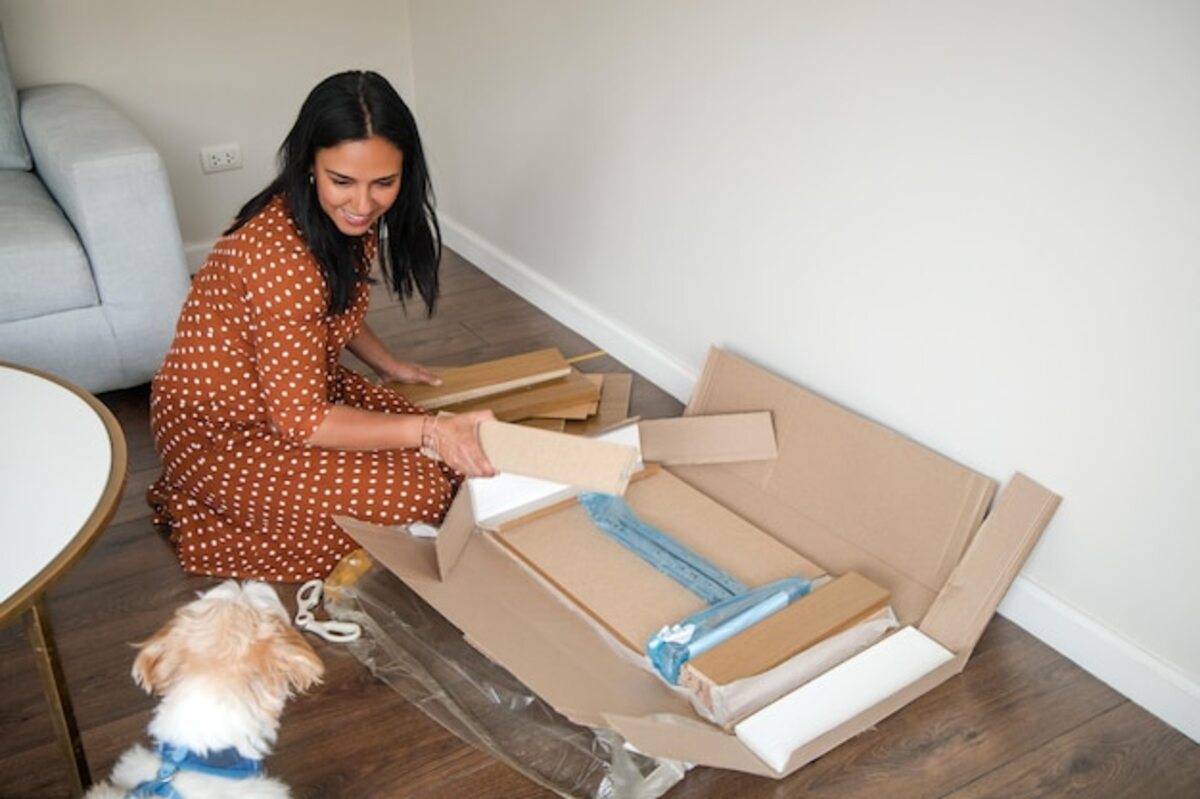
Ensuring a safe and confident move is essential so that this exciting process does not turn into a headache. With proper planning, you can minimize stress and ensure that your belongings arrive at their new home in perfect condition. In this article, we will present a practical checklist full of useful tips that will help you tackle each stage of your move with peace of mind and security. Get ready to make your relocation a positive and unforgettable experience!
Set a moving schedule
Establishing a moving schedule is the first crucial step to ensure that your transition to a new home is smooth and organized. Start by setting a moving date and work backward, creating a task list that needs to be completed before that day. This includes everything from finding a moving company, gathering packing materials, and organizing the contents of each room, to notifying utilities and updating your address on important documents. Having a visual calendar can help you stay focused and motivated as you count down the days to your big move.
By breaking tasks into manageable intervals, you will not only avoid feeling overwhelmed but also be able to adjust the schedule as unexpected issues arise. For example, if you find that you need more time to sort your belongings or make donations, you can easily reorganize the plan without losing sight of the final goal. Additionally, assigning specific responsibilities to each family member will make everyone feel involved and committed to the process. Remember that a good schedule will not only help you be prepared for moving day but will also contribute to achieving a calmer and more positive experience overall.
Advertisements
Make a detailed inventory of your belongings
Making a detailed inventory of your belongings is a fundamental step to ensure an organized and hassle-free move. This process will not only help you have a clear view of what you own, but it will also allow you to identify items that you may no longer need. By creating the inventory, you can categorize your belongings into groups such as “keep,” “donate,” or “sell,” thus facilitating decision-making about what to take to your new home. Moreover, having a detailed record will help you verify if all your items have arrived at their destination and will give you peace of mind knowing exactly what you have.
Another important aspect of the inventory is the ability to document the condition of your most valuable items before the move. Take photographs and note any existing damage to have evidence in case of loss or damage during transportation. Also, consider adding information about items that require special handling, such as fragile furniture or electronic equipment. A well-prepared inventory will not only simplify your move but also provide you with a solid foundation for future references, ensuring that you can fully enjoy your new space without additional worries.
Choose the right materials for packing.
When packing your belongings, choosing the right materials is essential to ensure everything arrives at its destination in perfect condition. Start by investing in quality boxes; they should be sturdy and the right size to prevent breaking or collapsing during transport. Additionally, consider using specific boxes for fragile items, such as glasses or plates, which provide extra protection. Don't forget to include strong, durable tape to secure the boxes and protect their contents.
In addition to boxes, using padding material is essential to protect delicate items. You can opt for bubble wrap, old blankets, or even clothes you no longer need; all of these are excellent options for cushioning impacts and preventing damage. Also, make sure to have permanent markers to label each box with its contents and the room it belongs to. This way, you will make the unpacking process in your new home easier and have a more organized and efficient move.
Sort and get rid of the unnecessary
Sorting and getting rid of the unnecessary is a crucial step in the moving process that will not only help you reduce the number of items you need to transport, but also allow you to start a new phase with a more organized and burden-free environment. Before packing your belongings, take time to review each room and categorize your items into three groups: keep, donate/sell, and discard. This exercise not only lightens your physical load but can also be emotionally liberating by allowing you to let go of things you no longer need or that simply take up space. Additionally, consider the advantages of having a more minimalist home. By eliminating the unnecessary, you not only facilitate the logistical process of moving but also give yourself the opportunity to rediscover meaningful and valuable items you may have forgotten. You can organize a garage sale or donate items to local charities; this not only helps others but can also generate additional income for your new home. Remember that each item has a story, so make sure to take with you only those pieces that truly add value to your life in this new chapter.
At the end of the day, sorting and getting rid of the unnecessary is more than just a physical act; it's about creating a space where you can thrive and feel comfortable from day one in your new home. With a mindful approach to what you truly need and value, you will ensure a safe and confident move towards a clearer and more organized future.
Label boxes to make unpacking easier.
Labeling the boxes is a key step that is often overlooked, but it can make a big difference in the unpacking process. By sorting and labeling each box with its contents and the room it belongs to, you will greatly facilitate the task of organizing your new home. Use large and legible labels, and consider including a brief description of the contents; for example, "Kitchen - Utensils" or "Living Room - Books." This will allow you to quickly identify what you need without having to open each box, saving time and reducing frustration during the first days in your new space.
In addition to making unpacking more efficient, labeling the boxes also helps ensure that you don't lose anything important. As you unpack, you will be able to keep better track of your belongings by crossing off items that have already been taken out of the boxes. If you decide to hire professional help for moving day, having a clear labeling system will make their job much easier and ensure that your things are placed in the correct rooms from the start. In short, taking the time to properly label your boxes is a minimal investment that can lead to a much smoother and more organized transition to your new home.
Hiring professional moving services: yes or no?
When it comes to deciding whether to hire professional moving services, it is important to evaluate your specific needs and circumstances. Professionals not only have the necessary experience to handle heavy and fragile items, but they also offer insurance that protects your belongings during transportation. This can be especially valuable if you have items of sentimental or economic value. Additionally, delegating this task to experts will allow you to save time and reduce the stress associated with organizing and executing a move. On the other hand, cost is a factor to consider. While moving services can represent a significant investment, many people find that peace of mind and time savings justify this expense. However, if you decide to do it yourself or with help from friends and family, make sure to have a detailed plan and the necessary resources to ensure a safe move. Ultimately, the decision will depend on your budget, the amount of belongings you need to transport, and your level of comfort in undertaking this task.
At the end of the day, whether you choose to hire professionals or embark on a DIY move, the most important thing is to have an organized and careful approach to ensure that everything arrives in perfect condition at your new home.
Protect fragile items during transport
When it comes to moving, protecting fragile items is one of the main concerns. To ensure that your most delicate belongings arrive safely at their new destination, start by sorting and separating them from the rest of your things. Use appropriate packing materials, such as bubble wrap or padded blankets, to wrap each item individually. This not only cushions impacts during transport but also prevents items from rubbing against each other and getting damaged. Remember to label the boxes with "fragile" so that those helping you with the move are aware of the importance of handling those loads with extra care.
In addition to using protective materials, consider how you place items inside the boxes. Make sure to fill all empty spaces with additional packing, such as crumpled paper or foam, to prevent the items from shifting during transport. It is advisable to pack heavier items at the bottom and lighter ones on top to maintain proper balance. You may also choose to transport some fragile items in your own vehicle for greater control over their safety during the journey. By following these tips, you can significantly reduce the risk of breakage and ensure that your treasures arrive intact at your new home.
Plan the logistics of moving day
Planning the logistics for moving day is a crucial step to ensure everything goes smoothly. Start by creating a detailed schedule that includes the arrival and departure times of the trucks, as well as the estimated time to load and unload your belongings. It is advisable to assign specific tasks to each member of the moving team, whether they are family or hired professionals. This not only optimizes time but also allows everyone to be in sync about what needs to be done at each moment, avoiding confusion or unnecessary delays.
Another vital aspect of this planning is to ensure that all the necessary elements for the move are ready before the big day. This includes having boxes, tape, labels, and any tools that may be needed to disassemble furniture on hand. It is also advisable to coordinate with utility providers to ensure that the connections in your new home are active from day one. By anticipating these logistical details and organizing them in advance, you will be able to carry out your move with confidence and security, allowing you to enjoy the process more without additional worries.
Do a final check before leaving your old house.
Before closing the door of your old house for the last time, it is crucial to conduct a thorough check to ensure that you haven't left anything behind. Start by going through each room, paying special attention to closets, drawers, and storage spaces. It's easy to overlook small items or sentimental belongings that may have been forgotten. A checklist can be helpful at this time; write down everything you need to take with you and make sure each item is packed and ready for transport before leaving the place.
Also, don't forget to check the general conditions of the house before you leave. Make sure you have cleaned properly and made any necessary repairs, if applicable. This will not only help you leave the place in good condition for future tenants or owners, but it can also be beneficial if you want to recover your deposit or avoid later disputes. Doing this final check gives you peace of mind and also marks a symbolic closure in this stage of your life, allowing you to start with confidence in your new home.
Advertisements
More in Checklist

Preparation and Moving, Checklist
How to create a cozy space in your new home from the start
Preparation and Moving, Checklist
Keys to ensure a smooth transition to your new home
Preparation and Moving, Checklist
Tips for establishing a moving plan tailored to your family
Preparation and Moving, Checklist
Practical guide to choosing the ideal location for your move.
Most viewed in Preparation and Moving

Preparation and Moving, Moving
Tips for a successful move to your new home in Costa Rica

Preparation and Moving, Moving
Keys to ensure that your new home is a safe investment
Preparation and Moving, Transportation Services
Practical guide to ensure your move to an ideal new home
Preparation and Moving, Transportation Services
Practical tips for a move that protects your new investment