
Guide to anticipating expenses and decisions in your ideal move
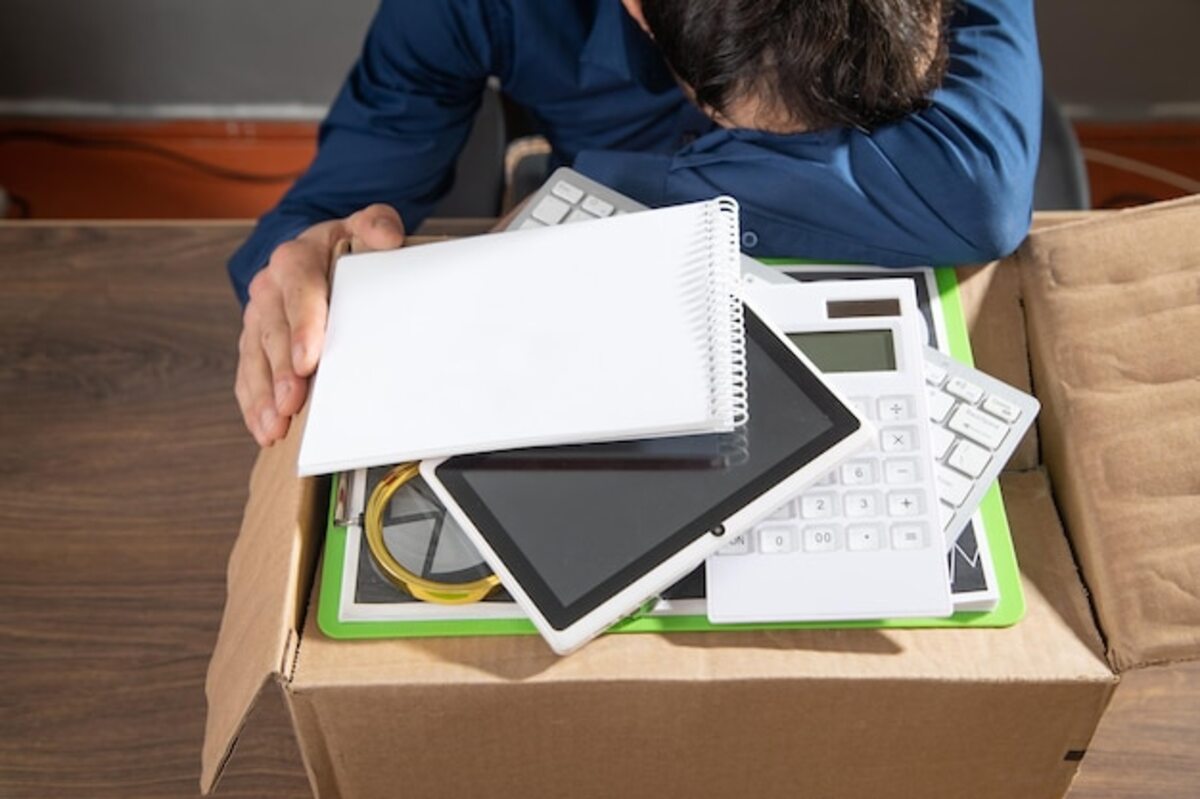
Are you ready to take the big step towards your new home? In this guide, you will discover how to anticipate expenses and make strategic decisions that will lead you to an ideal move without unpleasant surprises. From the initial planning to the execution on moving day, we present you with a practical checklist that will help you organize effectively and optimize your resources. Get ready to enjoy this exciting process with confidence and peace of mind.
Set a realistic budget for your move.
Setting a realistic budget for your move is the first crucial step that will allow you to face this process with clarity and without surprises. Before you start packing, it's essential to evaluate your finances and identify how much you are willing to spend on each aspect of the move. This includes expenses such as renting a truck, the cost of professional services, boxes and packing materials, as well as any additional charges that may arise from changes in the date or unforeseen issues. By having a well-defined budget, you can prioritize your expenses and avoid financial surprises that could create stress during such an important time.
Also, consider including a budget line for unforeseen expenses. Moves can be unpredictable; for example, you may need more help than expected or find items that require special handling during transport. Allocating 10-15% of the total budget for these unexpected costs will give you some flexibility and peace of mind. It is also advisable to research options and compare prices before making decisions, whether regarding moving companies or additional services. With careful planning and a proactive approach to your budget, you will be better prepared to enjoy the exciting journey to your new home without unnecessary financial stress.
Advertisements
Create a task calendar for each stage.
To ensure that your move goes smoothly, it is essential to create a task schedule that encompasses each stage of the process. Start by establishing a realistic timeline, where you divide activities into weeks or days according to the proximity of the moving date. Include essential tasks such as searching for and hiring a moving company, purchasing supplies, and packing. By having a clear view of the schedule, you can avoid the typical stress that accompanies these changes and ensure that every detail is covered.
It is also helpful to set priorities within your calendar. Some tasks may be more urgent than others; for example, notifying service providers about your change of address or starting to pack non-essential items in advance. As you progress through the calendar, make sure to review and adjust the dates if necessary to accommodate any unforeseen events. Staying organized will not only allow you to meet your deadlines but also to enjoy the process without feeling overwhelmed by the daily decisions that need to be made during the move.
Research moving service options in Costa Rica.
When planning your move, one of the most important decisions is selecting the right moving service. In Costa Rica, you will find a variety of companies offering different levels of service, from basic options that include only transportation to complete packages that cover packing, loading, and unloading. Researching the available options will allow you not only to find the best rate but also to determine which services align with your specific needs. Additionally, make sure to read reviews and testimonials from other customers to assess the reputation and reliability of each company.
Once you have a couple of options in mind, feel free to contact the companies to request detailed quotes. It is advisable to compare what each one offers: some services may include insurance for your belongings or guarantees on delivery times. Also consider whether they require an initial deposit or if they have flexible cancellation policies. Doing this research will allow you to make an informed decision and avoid surprises in the final cost of your move, thus ensuring a smoother and less stressful process to your new home.
Make a detailed inventory of your belongings.
Creating a detailed inventory of your belongings is a crucial step in the moving process. It will not only give you a clear view of what you actually own but also facilitate decision-making about what to take to your new home, what to sell or donate, and what to discard. Start by going through each room and making a comprehensive list of the items. You can use mobile apps designed for this purpose or simply a sheet of paper to jot everything down. This exercise will help you reduce the load during the move, and it can also be useful for estimating transportation costs and ensuring that you don't forget anything important.
Having a detailed inventory is essential for protecting your belongings during the move. By having a clear record of each item, you will be better able to assess whether you need to purchase additional insurance for valuable or fragile items. Additionally, upon arriving at your new home, this list will serve as a guide for unpacking and organizing your things more efficiently. Remember to include information such as the condition and approximate value of each item; this will not only help you in case of loss or damage but will also be very useful if you decide to sell some items before moving. Ultimately, a meticulous inventory not only optimizes your move but also reduces the stress associated with this transformative experience.
Decide what to take, sell, or donate before moving.
Before moving, one of the most important steps is deciding what to take with you, what to sell, and what to donate. This process will not only help you reduce the amount of things you need to transport, but it will also allow you to reflect on what you truly need in your new home. Go through each room and make a list of essential items. For those objects that you no longer use or that take up unnecessary space in your life, consider whether you can sell them online or through a garage sale. This will not only help you get rid of the excess, but it will also allow you to recover some money to cover part of your move.
Donating is another excellent option to get rid of items in good condition that you no longer want to take with you. Many charitable organizations are willing to accept donations and may even pick them up directly from your home, making the process easier. By donating, you contribute to a noble cause and help those in need. Also, remember to inform yourself about local policies regarding recycling and the proper disposal of certain items like appliances or large furniture. With these clear decisions before moving day, you can start this new phase with less emotional and physical burden, allowing you to fully enjoy the transition to your new space.
Calculate hidden costs: deposits, taxes, and more.
When planning your move, it is crucial to consider not only visible costs like rent or furniture purchases but also those hidden expenses that may arise and affect your budget. Deposits are one of these often-overlooked costs; many times a security deposit is required when renting a home, which can represent a significant amount. Be sure to check the specific policies of the landlord and consider whether this deposit is refundable at the end of the lease. Additionally, investigate whether there are additional fees, such as pet fees or maintenance charges.
Another important aspect is the property-related taxes and municipal fees that may apply in your new home. These can vary significantly depending on the location and the type of property you choose. It is advisable to research the annual taxes and other recurring expenses you might face, as this will help you establish a more realistic budget and avoid financial surprises once you have moved. Don't forget to also include other potential hidden costs such as initial utility services, installation charges, or even fees associated with internet connection; all of these can add up quickly if you don't consider them from the start.
Consider transportation and its impact on your budget.
When planning your move, it is crucial to consider transportation and how it can significantly impact your budget. The cost of transportation not only includes renting a truck or hiring a moving company but also additional expenses such as fuel, tolls, and insurance. It is advisable to conduct thorough research on the various options available. Comparing prices and services will help you find the best alternative without compromising quality. Additionally, evaluate whether you can do part of the move with personal vehicles or rent a trailer to reduce costs.
Another important aspect to consider is the distance between your old and new home. Local moves are usually more economical than those that cross states or countries, where costs can increase significantly due to additional charges for loading and travel time. If you are moving to a distant city, consider alternatives such as selling some furniture and acquiring new ones at your destination; this could simplify the logistical process while also optimizing your budget. Anticipating these factors will allow you to make informed decisions that will prevent financial surprises during your move.
Prepare your important documents for the new address.
To ensure a smooth transition to your new address, it is essential to prepare and organize all your important documents. This includes not only those related to the property, such as the lease agreement or purchase deed, but also personal documents that may be needed in your new home. Make sure to have copies of identifications, medical records, and any other relevant documents that may require updating with your new address readily available. Consider creating a physical or digital file where you centralize all this information to facilitate access during the moving process.
In addition to personal documents, it is crucial to notify the relevant institutions about your change of address. This may include banks, utility companies, internet and phone service providers, as well as other entities that may send you important correspondence. A change in address can affect your credit history or the timely receipt of bills and essential notifications. Take the time to make these updates before moving; this will help you avoid inconveniences and ensure that everything is in order when you arrive at your new home.
Organize the packaging: efficient materials and techniques
Organizing the packing of your belongings is a crucial step to ensure that your move goes smoothly and without setbacks. Start by gathering quality materials, such as sturdy boxes, bubble wrap, packing tape, and markers. Choose boxes of different sizes to accommodate the items you need to pack; small boxes are ideal for books and heavy items, while large ones are perfect for clothing or pillows. Don't skimp on protection: use enough wrapping material to prevent damage during transport. Once you have all the materials ready, creating a designated area in your home for packing will allow you to work more organized and efficiently.
In addition to having the right materials, implementing efficient packing techniques can make a difference in your moving experience. Start by labeling each box with its contents and the room it belongs to in your new home; this will make the unpacking process easier once you arrive at your destination. When packing, place the heavier items at the bottom and the lighter ones on top to maintain the stability of the boxes. It is also advisable to fill any empty space with crumpled paper or towels to prevent items from shifting during transport. By following these practical tips, you can effectively organize the packing, thereby reducing the stress associated with moving and ensuring that your belongings arrive safely at their new home.
Plan the installation in your new home: priorities and timelines
Planning the setup in your new home is a crucial step that can make the difference between a chaotic move and a smooth experience. Before loading your belongings onto the truck, it's important to set priorities: which rooms do you need to have ready first? For example, focusing on the kitchen and the bedroom will allow you to have a functional space from day one. Creating a timeline for unpacking is also helpful; set specific days for each area of the house so you can make progress without feeling overwhelmed by the number of pending tasks.
Also, don't forget to consider the necessary time to make any modifications or installations in your new home. If you plan to paint walls or install custom furniture, be sure to coordinate these tasks well in advance so that they are ready when your belongings arrive. Communicating with the professionals involved and having a clear understanding of what needs to be done first will allow you to optimize your time and ensure that everything is ready to enjoy the new space without setbacks. Remember that good planning reduces stress and allows you to start this new phase in a positive and organized way.
Advertisements
More in Checklist

Preparation and Moving, Checklist
How to create a cozy space in your new home from the start

Preparation and Moving, Checklist
Tips for ensuring a safe and confident move

Preparation and Moving, Checklist
Keys to ensure a smooth transition to your new home

Preparation and Moving, Checklist
Tips for establishing a moving plan tailored to your family
Most viewed in Preparation and Moving

Preparation and Moving, Moving
Tips for a successful move to your new home in Costa Rica

Preparation and Moving, Moving
Keys to ensure that your new home is a safe investment
Preparation and Moving, Transportation Services
Practical guide to ensure your move to an ideal new home

Preparation and Moving, Transportation Services
Practical tips for a move that protects your new investment