
How to plan your move to maximize your investment in your home
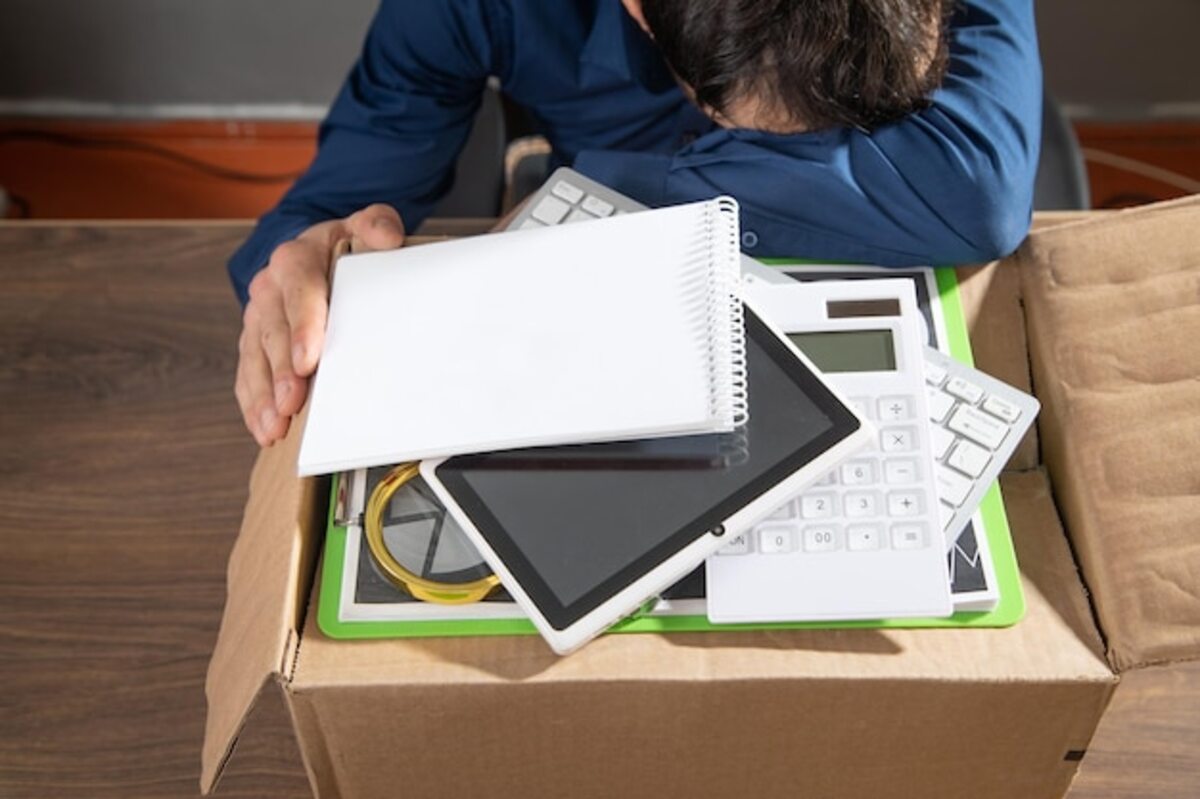
Planning a move can seem overwhelming, but with a good strategy, you can maximize your investment in your home and make this process a rewarding experience. In this article, you will discover how a well-structured plan will not only facilitate the relocation of your belongings but also help you maintain the value of your new property. With a clear focus and the right tools, you will be ready to tackle each stage of your move without complications.
Set a realistic budget for the move.
Setting a realistic budget for the move is the first crucial step in the planning process. Before diving into searching for boxes and hiring moving services, take a moment to assess all the potential costs that may arise. This includes not only renting a van or hiring a moving company but also additional expenses such as packing, protective materials, utility fees in your new home, and possible deposits. By having a clear view of how much you are willing to spend, you can make informed decisions that will prevent unpleasant surprises and allow you to keep your finances under control. Once you have established an initial budget, it is important to be flexible and prepared to adjust it as necessary. Moves can be unpredictable; you may come across furniture you want to buy or need to make unexpected repairs in your new property. Consider adding a margin for contingencies within your overall budget. Additionally, if possible, compare prices among different providers and look for special offers; this could help you reduce costs without compromising service quality. With a clear financial approach, you will be better equipped to maximize not only your investment in the move but also in your new home.
Advertisements
Create a detailed timeline with key dates.
To make your move as efficient as possible, it is essential to create a detailed schedule with key dates. Start by setting a moving date and then work backwards to identify what tasks need to be completed before that day. For example, if you plan to move on a Saturday, make sure to have important things ready, such as hiring a moving company or renting a van, at least two weeks in advance. Also, allocate time to pack each room and consider doing a deep clean in your old home before leaving it.
A timeline will not only help you stay organized, but it will also facilitate communication with all parties involved in the process: from family and friends who will assist you to service providers. By breaking tasks into manageable steps and setting specific dates for each, you can reduce the stress associated with moving. Additionally, you will have enough time to address any unforeseen issues that may arise, ensuring that you arrive at your new home ready to enjoy it from the very first moment.
Sort and minimize your belongings before packing.
Sorting and minimizing your belongings before packing is a fundamental step to ensure an efficient and less stressful move. Before you start filling boxes, take the necessary time to review each room and decide which items you really need. This process will not only allow you to get rid of what you no longer use, but it will also help you reduce the amount of things you need to pack and move. By doing so, you can identify items in good condition that could be donated or sold, creating space in your new home and potentially recouping part of your investment.
Additionally, by sorting your belongings, you can better organize your boxes and facilitate the unpacking process in your new home. A good strategy is to use labels or a color-coding system to quickly identify the contents of each box and the room it belongs to. This will not only make the process more orderly but also allow you to establish a welcoming environment in your new space more quickly. Remember that a well-planned move is not just about taking your things to another place; it's also about creating a functional and harmonious home from day one.
Research reliable moving companies.
Researching reliable moving companies is a crucial step in planning your move. Not all companies offer the same level of service, and choosing the right one can make a difference in the safety and care of your belongings. Start by checking online reviews and asking for recommendations from friends or family who have gone through a similar experience. Additionally, make sure to verify that the company is properly registered and has insurance that protects both their goods and yours during the process. Once you have a short list of options, don't hesitate to request detailed quotes. Compare prices, but also consider the services included: do they offer packing? Do they have experience with delicate or bulky items? Gathering this information will allow you to make an informed decision and avoid unpleasant surprises on moving day. Remember that investing time in finding a reliable company will not only make your move easier but also protect your investment in your new home.
It is also advisable to follow up with the references provided by the selected companies. Talking directly with previous clients will give you a clearer insight into their professionalism and effectiveness. Ask about their punctuality, care in handling items, and how they resolved any issues during the process. This additional research will allow you to choose a moving team that not only meets your expectations but also provides peace of mind during such a significant time as moving to a new home.
Properly secure your valuable items during the move.
Properly securing your valuable items during the move is a crucial step to avoid losses or damages that could compromise your investment in your home. Start by identifying which items are of high value, whether they are jewelry, artwork, electronic devices, or important documents. Once you have them cataloged, consider using specific packing materials such as reinforced boxes, bubble wrap, and padded blankets to effectively protect them. Additionally, clearly labeling these boxes will help you keep track of them during the move and make it easier to locate them when you arrive at your new home.
Another effective strategy is to choose to personally transport your most valuable items instead of leaving them in the hands of the movers. This not only gives you peace of mind but also ensures that they are under your supervision at all times. If you decide to hire a moving company, make sure to inquire about their policies regarding insurance and the protection of valuable goods. A good service will offer additional options to cover potential damages during the journey. By taking these precautions, you not only protect your most treasured belongings but also ensure a smoother transition to your new home.
Organize your new home before you arrive: the ideal space
Organizing your new home before you arrive is a crucial step that can make a difference in your moving experience. Before moving your belongings, take time to plan how you want each space to be laid out. This includes thinking about the arrangement of furniture, efficient use of storage, and creating an environment that reflects your personal style. With a clear plan of how you want each room to look, you can optimize space usage and avoid the chaos that might arise from arriving without a set plan. Consider sketching out a layout or using design apps to better visualize the spaces.
By organizing your new home in advance, you can identify the specific needs of each area. This will allow you to acquire any additional furniture or accessories you may need before fully settling in, avoiding unexpected expenses later. It is also a good opportunity to get rid of unnecessary items or those that don't fit into your new vision. Remember that a few hours spent on this planning can save you days of reorganizing after the move, ensuring that your new home is welcoming and functional from day one.
Evaluate the long-term benefits of your new location.
When considering a move, it is essential to evaluate not only immediate needs but also the long-term benefits that your new location may bring. A thorough analysis of the area where you plan to relocate will allow you to anticipate aspects such as neighborhood growth, accessibility to essential services, and overall quality of life. For example, moving to a developing area may mean that, over time, your property increases in value due to new investments in infrastructure and services. This type of projection will help you make more informed decisions that positively impact your future investment.
Additionally, it is crucial to consider factors such as the safety of the area and the available educational or job opportunities. A safe environment with good schools not only improves your quality of life but also translates into greater appeal for future buyers if you decide to sell your home later. By evaluating these elements in the long term, you can determine if the initial investment is truly worthwhile and how it could benefit you both personally and financially in the future. Remember that every aspect matters to maximize the return on your investment in the end.
Advertisements
More in Checklist

Preparation and Moving, Checklist
How to create a cozy space in your new home from the start
Preparation and Moving, Checklist
Tips for ensuring a safe and confident move

Preparation and Moving, Checklist
Keys to ensure a smooth transition to your new home

Preparation and Moving, Checklist
Tips for establishing a moving plan tailored to your family
Most viewed in Preparation and Moving

Preparation and Moving, Moving
Tips for a successful move to your new home in Costa Rica

Preparation and Moving, Moving
Keys to ensure that your new home is a safe investment
Preparation and Moving, Transportation Services
Practical guide to ensure your move to an ideal new home
Preparation and Moving, Transportation Services
Practical tips for a move that protects your new investment