
How to prepare for your new life at home with confidence
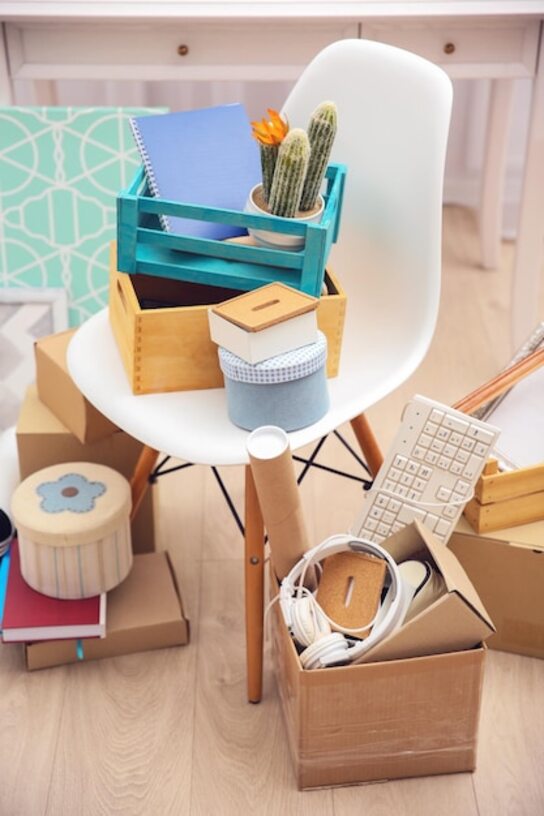
How to prepare for your new life at home with confidence is an essential step in the exciting process of moving. As you embark on this new adventure, it is crucial to have a well-structured plan that allows you to organize every detail and reduce stress. In this article, you will find a comprehensive checklist that will guide you from planning to settling into your new home, ensuring that every aspect is covered. Get ready to enjoy your new space with confidence and peace of mind.
Set a moving schedule.
Establishing a moving schedule is essential to ensure that each phase of the process runs smoothly. Start by defining a specific moving date and from there, work backward to create a task list to complete. Divide the available time into weekly or daily blocks, assigning deadlines for packing, hiring moving services, notifying address changes, and completing any other necessary paperwork. A well-defined schedule not only helps you stay focused but also allows you to anticipate any inconveniences that may arise along the way.
In addition to facilitating organization, a timeline gives you a sense of control over the process. By establishing priorities and breaking large tasks into smaller, manageable steps, you will be able to approach each aspect of your move with greater calm. Consider including specific moments to dedicate to the eviction and cleaning of the old home, as well as to the installation and decoration of the new space. This planning will allow you to enjoy each stage of the process and will prevent you from feeling overwhelmed in the days leading up to the move. With a solid timeline in hand, you will be better prepared to face this new adventure with confidence and enthusiasm.
Advertisements
Organize your belongings: what to take and what to leave
Organizing your belongings is a fundamental step in the moving process that can make the difference between a chaotic transition and a smooth experience. Before you start packing, take some time to evaluate each item you own. Ask yourself if you really need each thing or if it’s time to let go of some possessions. Sort your items into categories like "keep," "donate," "sell," and "discard." This organization will not only help you reduce the number of things you will take to your new home, but it will also facilitate the setup and order in your new space.
Once you have made this initial selection, it is advisable to create a detailed inventory of what you decide to take with you. This will give you a clear overview of your belongings and will be useful to ensure that nothing gets lost during the move. Consider using labeled boxes or digital lists to keep everything organized. Remember that less is more; by leaving behind the unnecessary, you will not only make the moving process easier, but you will also create a lighter and more welcoming environment in your new home, where you can focus on enjoying and building new memories.
Make a list of suppliers and basic services.
When moving to a new home, having a list of providers and essential services is crucial to ensure everything runs smoothly from day one. Start by researching and noting the contacts for essential services such as electricity, water, gas, and internet. It is advisable to communicate with these providers before moving to schedule the installation in your new house. Additionally, consider including maintenance services like plumbing, electricians, and professional cleaning in your list; having these numbers handy will give you peace of mind in case of any eventuality.
Don't forget to also include information about local emergency services, such as nearby hospitals or medical centers, as well as contact details for local authorities and community services. This will not only help you feel more secure in your new environment but will also allow you to integrate more easily into the community. By having a complete and accessible list of providers and essential services, you will be better prepared to handle any situation that may arise during this transition to your new life at home.
Prepare your new home: necessary cleaning and repairs
Preparing your new home is a crucial step in the moving process, and cleaning and necessary repairs should be a priority. Before you unpack the boxes and start placing your belongings, take the time to clean every corner. This will not only allow you to enjoy a healthier environment, but it will also help you become familiar with the space. Start by sweeping and mopping the floors, cleaning windows and surfaces, and don't forget to pay attention to areas that often go unnoticed, such as behind appliances or inside cabinets. A clean house not only feels better, but it also provides you with a solid foundation to begin this new chapter.
In addition to deep cleaning, it is essential to address any necessary repairs before fully settling in. Carefully inspect each room for cracks in the walls, leaks in faucets, or electrical issues. If you find any problems, consider making minor repairs yourself or hire a professional if needed. Ensuring that everything functions correctly from the start will save time and effort in the future. By having a clean home free of structural problems from day one, you can focus on the more enjoyable aspects: making your new space truly yours.
Efficient packaging: tips to save time and space
Efficient packing is essential to ensure a smooth move. To start, make sure you have all the necessary materials on hand: boxes of different sizes, packing tape, bubble wrap, and markers. Sorting your belongings by categories before packing them will not only make the process easier but also allow you to quickly identify what you need when you arrive at your new home. Additionally, labeling each box with its contents and the room it belongs to can save you hours of searching after the move.
Another key aspect of efficient packing is maximizing the use of space in boxes. Take advantage of every available corner by using clothing or towels as filler to protect fragile items. Avoid leaving empty spaces that could cause shifting during transport; instead, use cushioning material or even everyday items to fill those gaps. Remember that good packing not only protects your belongings but also optimizes space in the moving truck, allowing you to make fewer trips and save time and effort in this exciting step towards your new life at home.
Notify address changes: what to do and whom to inform
When you move, one of the most important aspects to consider is notifying your new address. This not only ensures that you receive all your mail without issues, but it is also vital to avoid potential problems with services and personal accounts. The first thing you should do is update your address with the postal service; you can easily do this online or by visiting a local post office. Additionally, make sure to inform your friends, family, and coworkers about your change of address to stay connected with them.
Another key step is to inform the companies and organizations with which you have active accounts. This includes banks, utility providers, insurance companies, and any subscriptions you may have. Make sure to review all your bills and relevant documents to identify who needs to be informed about your new location. Also, consider updating your information on digital platforms such as social media or websites where you have an active profile. Making these changes will help you settle in more quickly in your new space and ensure that you do not miss important information or essential services during the transition.
Plan the decoration of your new space.
Planning the decoration of your new space is a fundamental part of turning an empty house into a cozy and functional home. Before you start buying furniture and accessories, take the necessary time to visualize how you want each room to look. Think about your daily needs and how you will interact with the space. Consider aspects such as natural lighting, the flow of movement, and the arrangement of the furniture. Creating a scheme or sketch can be helpful to have a clear idea of how you want to distribute each element, allowing you to optimize both the aesthetics and functionality of your new home.
Once you have a general plan, it's time to define a decorative style that reflects your personality and preferences. Research different trends, from minimalism to more eclectic styles, and select the elements that resonate with you. Don't forget to include personal touches, such as family photographs or local art, that make your space truly unique. By planning ahead, you can create a harmonious and balanced atmosphere without falling into impulsive purchases. Remember that decoration is a process that can evolve over time; so feel free to adjust and modify as you live in your new home.
Consider the legal aspects related to the move.
When you move to a new home, it is essential to consider the legal aspects that may influence your transition experience. This includes reviewing the lease agreement or the purchase deed, as well as checking local regulations regarding moving and residences. Make sure to understand all the clauses and conditions before signing any documents, as this will help you avoid unpleasant surprises in the future. Consult with a lawyer or a specialized professional if there are terms you do not fully understand; it is better to clarify doubts from the beginning than to face problems later on.
Also, don't forget to research the necessary permits for moving in your new area. In some cities, it may be mandatory to obtain special permits to park moving trucks or to block public spaces during the process. It's also important to check if there are specific regulations related to the types of goods you can take to your new home, especially if it's a shared residence or a building with strict rules. By being well-informed about these legal aspects, you will not only protect your rights as a tenant or owner but also facilitate a smoother transition to your new life at home.
Preparations for Moving Day: Essential Logistics
The logistics of moving can seem overwhelming, but with proper planning, you can turn it into a smooth and hassle-free experience. Start by establishing a detailed schedule that includes each stage of the process: from gathering boxes and packing materials to hiring moving services if necessary. Make sure to coordinate the timings in advance, both for the day you move and for access to your new home. Organize tasks by priorities and assign a specific time for each activity, which will help you stay focused and avoid unexpected setbacks.
Another essential aspect is the identification and labeling of your belongings. As you pack, make sure to use clear and concise labels for each box, indicating its contents and the room they belong to in your new home. This will not only facilitate the unpacking process but also allow you to quickly locate essential items during the first days in your new house. Additionally, consider creating a "first aid kit" with basic items such as clothing, kitchen utensils, and personal products to have on hand right after you arrive. This way, you will be prepared to start this new stage with confidence and comfort.
Strategies to quickly adapt to your new community
Adapting to a new community can be a challenge, but with the right strategies, this process can become much simpler and more rewarding. One of the first actions you can take is to get involved in local activities. Participating in community events, such as fairs, markets, or festivals, not only allows you to meet your neighbors but also helps you become familiar with the culture and environment of the place. Additionally, consider joining groups or clubs that align with your interests; this can be an excellent way to make lasting friendships and feel part of the neighborhood.
Another effective strategy is to explore your new environment. Take some time to walk around the neighborhood and discover the landmarks: cafés, local shops, and parks. Don't hesitate to interact with merchants and other residents; often, they can offer you valuable recommendations about the best your new community has to offer. You can also learn about community services like libraries or recreation centers that not only provide useful resources but are also gathering places where you can make meaningful connections with others who share your interests. With these proactive actions, you can build a strong support network and start your new life with confidence from day one.
Advertisements
More in Checklist

Preparation and Moving, Checklist
How to create a cozy space in your new home from the start
Preparation and Moving, Checklist
Tips for ensuring a safe and confident move

Preparation and Moving, Checklist
Keys to ensure a smooth transition to your new home

Preparation and Moving, Checklist
Tips for establishing a moving plan tailored to your family
Most viewed in Preparation and Moving

Preparation and Moving, Moving
Tips for a successful move to your new home in Costa Rica

Preparation and Moving, Moving
Keys to ensure that your new home is a safe investment
Preparation and Moving, Transportation Services
Practical guide to ensure your move to an ideal new home
Preparation and Moving, Transportation Services
Practical tips for a move that protects your new investment