
Tips for a safe and smooth move
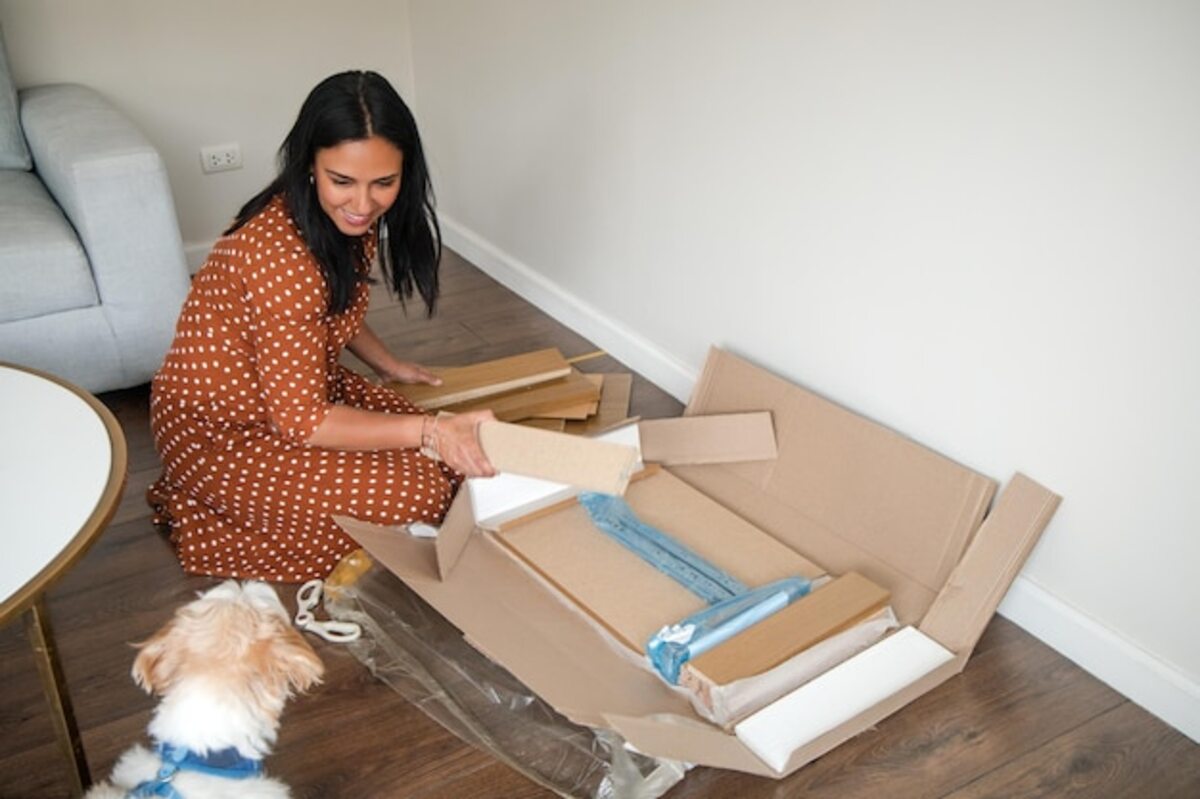
A move can be an overwhelming experience, but with the right tips, you can turn it into a smooth and secure process. In this article, we will provide you with an essential checklist that will help you plan every step of your move without setbacks. From the preparation before to the unpacking in your new home, make sure you have everything needed for this transition to be positive and stress-free. Get ready to move with confidence and peace of mind!
Set a moving schedule.
Establishing a moving schedule is essential to organize every aspect of the process and avoid the chaos that often accompanies these transitions. Start by setting a date for your move, making sure to consider factors such as the weather and the availability of moving services. From that date, create a detailed plan that includes all necessary tasks, from gathering supplies to disconnecting and reconnecting services in your new home. By breaking down the time into weeks or even days, you can assign specific tasks to each period, making it easier for everyone involved to stay focused and productive.
In addition to including the main tasks, it is helpful to add reminders about logistical aspects such as requesting permits if necessary or coordinating with friends or family who can help you on moving day. Consider creating a visual calendar, either digital or on paper, where you can mark progress and keep track of the advancement towards your final goal. By following a well-structured timeline, you will not only reduce the stress associated with the move but also ensure that no important details are overlooked during this transformative process.
Advertisements
Take inventory of your belongings.
Taking an inventory of your belongings is a crucial step in the moving process, as it allows you to have control and a clear view of everything you own. Begin by going through each room in your home, noting every item and categorizing it according to its type: furniture, appliances, clothing, decorative items, among others. This exercise will not only help you identify what you really need to take with you to your new home, but it can also be an excellent opportunity to get rid of things you no longer use or that are in poor condition. By reducing the number of unnecessary belongings, you will make the packing and moving process easier.
Once you have completed the inventory, make sure to keep it in an accessible place during the move. You can choose to do it in digital or physical format; the important thing is that it is well organized. This document will be invaluable when unpacking in your new home, as it will allow you to verify that all your belongings have arrived at their destination. Additionally, if you decide to hire a moving company, having a detailed inventory will facilitate negotiations and ensure that your most valuable items are adequately protected during the transfer. With this simple yet effective step, you will be able to approach your move with greater peace of mind and confidence.
Obtain suitable packing materials.
To ensure that your belongings arrive at their new home in perfect condition, it is essential to have the right packing materials. Start by acquiring sturdy boxes of various sizes, as not all your belongings will have the same volume. Small boxes are ideal for heavy items like books, while larger ones are perfect for clothes or pillows. Additionally, make sure to have strong adhesive tape and labels to easily identify the contents of each box, which will make the unpacking process smoother once you arrive at your destination.
Don't forget to include other essential items in your packing kit, such as bubble wrap or protective blankets to wrap fragile items like dishware and delicate decorations. Using newspaper can also be an economical and effective option to protect your belongings. Additionally, consider obtaining reusable containers or specialized moving boxes, which can offer an extra level of protection and convenience when loading and unloading. By adequately preparing your packing materials, you will be one step closer to achieving a safe and smooth move.
Label your boxes correctly.
Labeling your boxes correctly can make the difference between a chaotic move and an organized experience. Start by using clear and legible labels that indicate not only the contents of each box but also the room they belong to in your new home. For example, if you have a box with kitchen utensils, make sure to label it as "Kitchen - Utensils." This will greatly facilitate the unpacking process, as you will be able to direct each box to the correct place without having to open it first to check its contents. Additionally, you can use a color-coding system to quickly identify the rooms, making the process even more efficient.
Another effective strategy is to number the boxes and keep a detailed inventory in a notebook or on your mobile device. This way, you can ensure that nothing is missing during the move and can easily locate any item if the need arises. Don't forget to include information about fragile or special items; this will help those assisting you with the move to handle them with greater care. In summary, taking the time to properly label your boxes will not only simplify your current move but also save you stress in the long run as you settle into your new home.
Arrange the appropriate transportation service.
Organizing the appropriate transportation service is crucial to ensure that your move goes smoothly. Before choosing a moving company, research and compare several options. Make sure they are properly certified and have good references. Request detailed quotes and check what services are included: loading, unloading, packing, or insurance. Clarifying this will not only help you avoid surprises in costs but will also give you peace of mind knowing that your belongings are in trustworthy hands.
Once you have chosen the transportation service, coordinate the logistical details in advance. Set specific dates for the move and make sure to communicate any special requirements your new home may have, such as access restrictions or space limitations. Additionally, plan the best way to organize the load; grouping boxes by room or type of item will make the process easier for both you and the professionals in charge of the move. Remember that good organization of the transport is key to minimizing stress during this important transition in your life.
Plan the disconnection and reconnection of services
Planning the disconnection and reconnection of services is a crucial step in any move. Make sure to contact essential service companies, such as water, electricity, gas, and internet, well in advance to coordinate the exact date you want these arrangements to take place. This will help you avoid inconveniences and ensure that your new home is ready to welcome you from the very first moment. Additionally, check if there are any special requirements or additional fees for disconnections or reconnections so you can include these costs in your budget.
Don't forget to check the waste collection services and mail delivery. It's important to schedule the cancellation of the service at your old address and ensure that your correspondences are redirected to your new home. This will not only help you stay organized but also avoid unpleasant surprises during the transition. By planning all of this in advance, you will be able to focus on other important aspects of your move without the additional stress related to essential services.
Secure your valuable belongings.
Securing your valuable belongings is a crucial step in the moving process. Before packing, identify the items that have high sentimental or economic value, such as jewelry, important documents, and electronic devices. It is advisable to make a detailed inventory of these items, taking photos and noting relevant characteristics. This will not only help you keep track of your belongings but will also be useful in case you need to file a claim for loss or damage during the move.
Once you have identified your most valuable belongings, consider additional options to protect them. Use sturdy boxes and appropriate packing materials, such as bubble wrap or kraft paper, to ensure these items arrive at their destination in perfect condition. Additionally, some moving companies offer specific insurance to cover damages or losses; inquire about these options and assess whether they are necessary based on the value of your belongings. Remember that safety and peace of mind during your move begin with the proper protection of what is most important to you.
Inform your contacts about your change of address.
One of the most important, and often overlooked, steps during a move is informing your contacts about your change of address. This includes not only friends and family but also institutions and services that may need your new information to keep their communication updated. Be sure to notify your bank, utility providers, insurance companies, and any other relevant services to avoid interruptions in receiving mail or services. A simple message or email can save you a lot of hassle in the future.
Additionally, consider creating a list of all the entities that need to be informed about your new address. Include schools, doctors, magazine subscriptions, or any other services you use regularly. This will help you have a clearer control and ensure that no detail is overlooked. A good practice is to make these notifications at least two weeks before the move to ensure that all correspondence arrives correctly at your new home from day one. Keeping your contacts informed also strengthens your personal and professional relationships, as it shows a commitment to ongoing communication even amid the chaos of a move.
Perform a deep cleaning before unpacking.
Doing a deep clean before unpacking is a crucial step that is often overlooked in the moving process. Before bringing your belongings to your new home, take the time to clean every corner and surface. This will not only help you eliminate the dust and dirt accumulated, but it will also allow you to start with a fresh and welcoming space. Consider using natural cleaning products that are safe for the environment and your health, especially if you have children or pets. Once you have thoroughly cleaned, you will be able to better organize your things while unpacking.
Additionally, a deep cleaning can help you identify areas that may need repairs or maintenance before you fully settle in. This includes checking for stains on the walls, mold, or issues with floors and windows. Addressing these matters from the start will save you time and effort in the future, as you will avoid having to move large furniture or heavy boxes after you have placed your belongings. Thus, as you begin your new life in this renovated and clean space, you will enjoy a healthier and more pleasant environment from day one.
Advertisements
More in Checklist

Preparation and Moving, Checklist
How to create a cozy space in your new home from the start
Preparation and Moving, Checklist
Tips for ensuring a safe and confident move

Preparation and Moving, Checklist
Keys to ensure a smooth transition to your new home

Preparation and Moving, Checklist
Tips for establishing a moving plan tailored to your family
Most viewed in Preparation and Moving

Preparation and Moving, Moving
Tips for a successful move to your new home in Costa Rica

Preparation and Moving, Moving
Keys to ensure that your new home is a safe investment
Preparation and Moving, Transportation Services
Practical guide to ensure your move to an ideal new home
Preparation and Moving, Transportation Services
Practical tips for a move that protects your new investment