
Tips for planning your move with a focus on secure investment
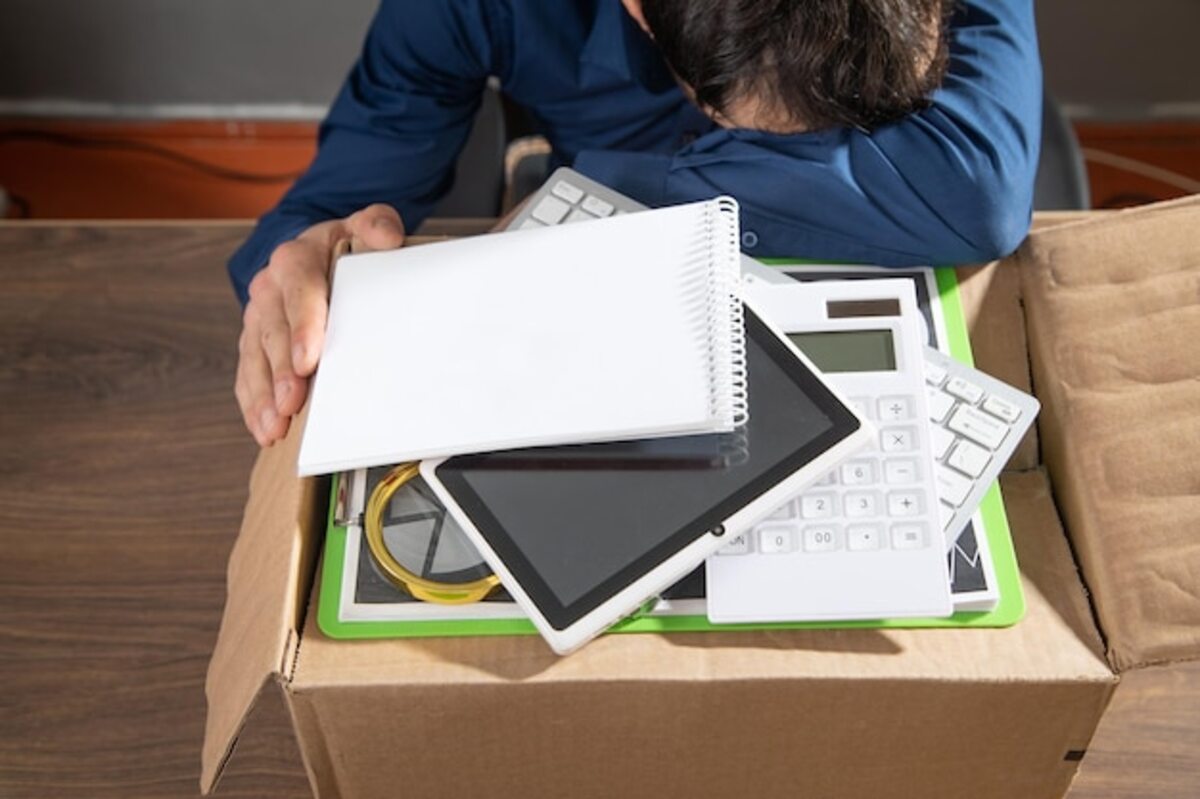
Planning a move can be overwhelming, but with the right tips, you can turn this process into a secure investment for your future. In this article, you will discover a practical checklist that will help you organize each stage of your move without losing sight of the importance of taking care of your belongings and maximizing your budget. Get ready to enjoy a successful and smooth transition while ensuring that your new home is the home you have always dreamed of.
Set a clear budget for your move.
Establishing a clear budget for your move is the first fundamental step in planning this important process. Before you start packing your belongings, it is essential to have a precise idea of how much you are willing to spend. This includes not only transportation and truck rental costs but also additional expenses such as boxes, packing materials, and any professional services you decide to hire. By defining a specific amount, you will be able to make more informed decisions about which services are essential and which you can handle on your own, allowing you to optimize your resources.
Once you have established your initial budget, it is advisable to create a detailed list breaking down each of the estimated expenses. This will not only help you stay within the set limit, but it will also allow you to identify areas where you could save. For example, you might choose to borrow reusable boxes instead of buying new ones or ask friends and family for help to reduce labor costs. Remember to be flexible with your budget; unforeseen circumstances may arise during the process, so include a small additional margin to cover any eventuality. This way, you will be prepared both emotionally and financially to face your move without excessive stress.
Advertisements
Choose the ideal date to move.
Selecting the ideal date for your move is a crucial step that can influence many aspects of the process. It is advisable to avoid weekends and peak demand months, such as summer, as transportation rates and services can be significantly higher. Choosing a weekday or during the off-peak season will not only allow you to access better prices but also facilitate the availability of moving companies and other logistical resources. Additionally, consider the weather: moving on a sunny day can make the process more comfortable and less stressful. Furthermore, if you have flexibility in your schedule, take advantage of scheduling your move during holidays or vacation periods. Many people choose to wait until after these dates to make their own moves, which means you will be able to find more options available at competitive prices. It is also helpful to consider personal situations such as school vacations or job changes; planning around these times can help you reduce stress and ensure a smoother transition to your new home. Thus, wisely choosing the date of your move becomes a secure investment not only financially but also emotionally.
Create a detailed inventory of your belongings.
Creating a detailed inventory of your belongings is a crucial step in planning your move. This list will not only help you have a clear view of everything you own, but it will also facilitate the packing and organizing process. By listing each item, you can identify those that you really need to take with you and which ones could be donated or sold. Additionally, having an inventory will allow you to assess the total value of your goods, which is especially useful when it comes to insuring your belongings during the move.
A well-structured inventory can include categories such as furniture, appliances, clothing, and personal items. Assigning estimated value to each item will serve not only practical purposes but also to protect your investment in case of damage or loss during the move. You can opt for digital tools or applications designed for this purpose, allowing you to easily update and access your list. Remember to take photos and keep receipts for the most valuable items; this will be useful if you need to file claims with insurance companies. Thus, creating a detailed inventory not only optimizes the logistics of your move but also provides peace of mind knowing that you are properly taking care of your investments.
Research safe and affordable transportation options.
One of the most critical decisions when planning your move is choosing the right transportation for your belongings. Research different options that fit your budget while ensuring the safety of your goods. From professional moving companies to rental trucks, each alternative has its pros and cons. Be sure to read reviews and testimonials from other users to identify those companies that offer reliable service. Don't forget to compare prices, as some companies may offer special rates or discounts for early bookings.
In addition to the cost and reputation of the service, consider the additional protection you may need for your most valuable items. Ask about insurance offered by the moving companies; many have policies that cover damages or losses during the transport. Also, evaluate if you need additional materials such as reinforced boxes or padded wrapping to protect fragile items. By carefully researching all these options, you will not only ensure an efficient move but also invest in the peace of mind necessary to fully enjoy your new home without unnecessary worries.
Consider hiring professionals: is it worth it?
When considering the option of hiring professionals for your move, it is vital to evaluate whether this decision aligns with your needs and budget. Often, specialized moving companies offer a comprehensive service that not only includes the transportation of your belongings but also packing, loading, and unloading. This can save you valuable time and effort, allowing you to focus on other important aspects of your new life. Furthermore, professionals are equipped to handle fragile or bulky items that could be difficult to move on your own, reducing the risk of damage to your property.
However, it is essential to take into account the cost associated with these services and compare it with the option of moving by yourself. While you can save money by doing it personally, you should consider the value of your time and the stress it may entail. At the end of the day, investing in professionals could be beneficial if it allows you to avoid complications and ensure a smoother transition to your new home. Analyze your priorities and resources to decide if hiring experts is a worthwhile investment for you.
Organize your belongings by categories and priorities.
Organizing your belongings by categories and priorities is a fundamental step in planning your move. Before you start packing, take time to sort your items into groups such as clothing, electronics, kitchen utensils, and decorative objects. This exercise will not only give you a clear view of what you own but also simplify the packing and unpacking process. By identifying and grouping your belongings, you can decide what to take to your new home, what to donate or sell, and what you might need to discard. This way, you will optimize the space in your new house and reduce transportation costs.
In addition to categorizing items, it is essential to establish priorities within each group. Ask yourself what the must-have items for your daily life are and which ones are simply accessories or items that can wait. You can use a numerical system or labels to indicate the importance of each category: urgent (1), important (2), and optional (3). This strategy will not only make the moving process more manageable but also ensure that upon arriving at your new home, you have immediate access to essential items while you organize the rest at a leisurely pace. By doing this, you not only take care of your material possessions but also protect your emotional investment in this new chapter of your life.
Prepare an essential kit for moving day.
To ensure that your moving day goes smoothly, it is essential to prepare an essential kit that contains everything needed to survive the chaos of that day. This kit should include basic items such as a toolbox with the most commonly used tools, tape, scissors, and markers. Additionally, don't forget to include cleaning products, as you may want to leave your old home in optimal condition or do a quick clean in your new home before unpacking. Having these items on hand will prevent frustrations and allow you to act quickly in case of any setbacks.
In addition to cleaning tools and products, consider adding personal and daily use items to your kit. This includes comfortable clothing, personal hygiene items, snacks, and hydrating beverages. It is also advisable to have chargers for your electronic devices and a couple of pillows or blankets for added comfort during the transition. By organizing this essential kit in advance, you will not only save time on moving day but also ensure that you have access to what you really need while you adapt to your new life. With this proper preparation, you will be able to face the process with confidence and peace of mind.
Review and update important documents before the move.
Reviewing and updating important documents is a crucial step in planning your move, as it ensures that all your information is up to date and available when you need it most. Before packing your belongings, make sure to have on hand documents such as lease agreements, insurance policies, medical records, and any other relevant documents. This will not only make the moving process easier but will also give you a clear view of your legal and financial responsibilities in your new home. Consider creating digital copies of these documents to avoid setbacks if you happen to lose any during the process.
It is also essential to notify the relevant entities about your change of address. This includes banks, utility companies, internet providers, and any other organization that handles important information related to you. By doing this, you avoid issues such as lost mail or interruptions in essential services. Take the necessary time to review all the details related to your documents; this effort will not only contribute to a more organized move but will also give you peace of mind knowing that you are prepared to start this new stage without administrative inconveniences.
Advertisements
More in Checklist

Preparation and Moving, Checklist
How to create a cozy space in your new home from the start
Preparation and Moving, Checklist
Tips for ensuring a safe and confident move

Preparation and Moving, Checklist
Keys to ensure a smooth transition to your new home

Preparation and Moving, Checklist
Tips for establishing a moving plan tailored to your family
Most viewed in Preparation and Moving

Preparation and Moving, Moving
Tips for a successful move to your new home in Costa Rica

Preparation and Moving, Moving
Keys to ensure that your new home is a safe investment
Preparation and Moving, Transportation Services
Practical guide to ensure your move to an ideal new home
Preparation and Moving, Transportation Services
Practical tips for a move that protects your new investment