
Guide to ensuring a move that respects your budget and time
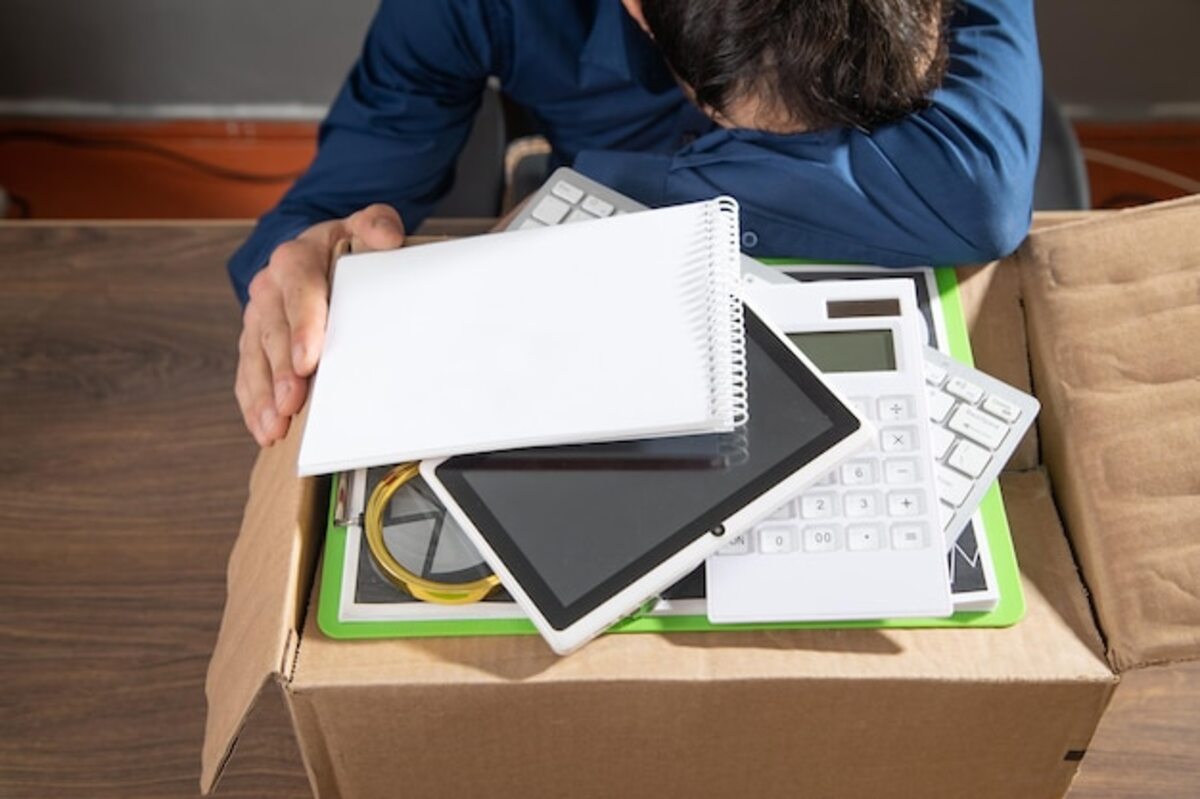
Are you about to move and don't want your budget to dissolve like sugar in water? You're in the right place! In this guide, you will learn how to plan an efficient move that respects both your time and your wallet. From prior organization to choosing services, you will discover practical strategies and helpful tips to make this process a smooth and stress-free experience. Get ready to become a moving expert while keeping your finances under control.
The importance of a moving plan: where to start?
A well-structured moving plan is essential to ensure that the process runs smoothly and within the established budget. Before you start packing, it is crucial to create a timeline that includes all stages of the move, from the initial organization to the actual moving day. This will not only help you stay focused on your goals but also allow you to identify any potential expenses in advance, making it easier to manage your finances. Prior planning gives you the opportunity to assess which items you really need to move and which can be sold or donated, potentially reducing costs and simplifying the process.
Additionally, an effective moving plan should include researching and comparing different services available in the market. From transportation companies to temporary storage options, taking the time to analyze rates and reviews can save you a significant amount of money and effort in the long run. It is also advisable to assign specific tasks to each household member if you are moving as a family; this not only optimizes the time spent but also involves everyone in a process that can be exhausting yet exciting. By having an organized and collaborative approach from the beginning, you will be better prepared to face any unexpected challenges during your move.
Advertisements
Setting a realistic budget for your move
Establishing a realistic budget for your move is essential to avoid unpleasant surprises along the way. Before you start making plans, take some time to research and list all the potential expenses you might encounter. This includes not only obvious costs like renting a truck or fees for a moving company, but also less evident items such as the cost of boxes, packing materials, utility fees when changing places, and possible refundable deposits in your new home. Creating a comprehensive list will give you a clear overview and help you allocate your resources effectively.
Once you have a general idea of the costs involved, it is advisable to set aside an additional margin for unforeseen circumstances. Moving is often full of surprises; from discovering items you forgot to pack to needing to make minor repairs in your new place before settling in. Defining this additional fund will provide you with peace of mind and ensure that you don't end up stressed by unexpected expenses. Remember to periodically review your budget as the process progresses; this will allow you to adjust your expectations and make informed decisions about where you can cut costs without compromising the quality of service received.
How to choose the best date to move
Choosing the best date to move is a crucial step that can significantly influence your budget and the efficiency of the process. First, consider the peak and off-peak moving seasons. Generally, summer months are the most requested, which can result in higher moving service rates due to high demand. If you have the necessary flexibility, opting for a move during the fall or winter can save you a considerable amount of money. Additionally, scheduling your move in the middle of the month or on weekdays is often more economical and will allow you to avoid the typical weekend crowds.
Another aspect to consider when choosing the date is the weather. Adverse weather conditions can complicate the process and make it a stressful and even dangerous experience. Therefore, it is advisable to avoid dates with uncertain forecasts, such as rainy seasons or heavy snowfall. Also, consider local events that may affect traffic or the availability of services; festivals, trade fairs, or even major sporting events can add unexpected complications to your move. By planning ahead and carefully selecting the date, you can ensure not only that you stay within your budget but also that you enjoy the process without unnecessary setbacks.
Comparison between doing the move yourself or hiring professionals
When it comes to deciding between moving yourself or hiring professionals, it is essential to evaluate not only your budget but also the time and effort you are willing to invest. Moving on your own may seem like a cost-effective option, as you can save on labor costs. However, it is crucial to consider factors such as the availability of suitable vehicles, the cost of fuel, and the time you will need to pack and transport your belongings. Additionally, if you lack the necessary experience, you could face unforeseen challenges, such as damage to your items or personal injuries. On the other hand, hiring professionals may represent an additional expense in your budget, but it can also save you a considerable amount of time and stress. Moving services typically include packing, loading, and unloading your things with specialized care. This not only allows you to focus on other important aspects of your new life but also ensures that your valuable items are handled properly. At the end of the day, the decision should be based on an honest assessment of your capabilities and needs; the most important thing is to find a balance between what it costs you in money and what you are willing to sacrifice in terms of time and effort.
Strategies to reduce costs during the move
One of the most effective ways to reduce costs during a move is to plan ahead. Start by making a detailed inventory of your belongings; this will allow you to decide which items you really need to take with you and which can be sold or donated. By getting rid of what you no longer use, you not only reduce the load in your boxes, but you can also make some extra money by selling those items. Additionally, consider the option of renting a truck to transport your belongings instead of hiring a moving company. This can be significantly more economical, especially if you have friends or family willing to help you.
Another key strategy is to compare prices and services before making a final decision. Take the time to research different moving companies and read reviews about their service. Some offer special rates on specific days or discounts for early booking, which can be a great opportunity to save. Also, consider the possibility of moving during the off-peak season; many people move during the warm months, so choosing less popular dates could mean lower rates and greater availability. By applying these strategies, you can manage your move without compromising your budget or your time.
Essential lists: what you need to take with you
When it comes to moving, planning is key, and one of the most useful tools in your arsenal is essential lists. Before packing your belongings, create a detailed inventory of everything you need to take with you. This includes not only basic items like clothing and kitchen utensils but also important elements like personal documents, medications, and electronic devices. By having a list on hand, you can ensure that nothing is left behind and avoid additional expenses for unnecessary replacements.
Additionally, consider dividing your list into categories to facilitate the process. Group items by room or type (such as furniture, appliances, or decorative items) so that during loading and unloading, you can work in a more organized manner. Don't forget to include essential tools that may be needed to disassemble furniture or make quick repairs in your new home. A good list will not only help you stay focused during the move but will also allow you to better manage your time and budget as you prepare for this new stage in your life.
How to organize your belongings before packing
Before you start packing, it is essential to organize your belongings effectively. This step will not only help you reduce the number of items you need to move but also allow you to identify what you really need and what you can donate or sell. Start by sorting your belongings into categories such as clothing, furniture, kitchen utensils, and decorative items. Use labeled boxes or bags to make the process easier. For those items you haven't used in the last six months, consider whether it is really worth taking them with you; if not, you might want to get rid of them before the move.
Once you have classified your items, it’s time to take a detailed inventory. This will not only help you keep track of what you have, but it will also be useful to ensure nothing gets lost during the move. You can create a digital list or use apps designed to assist with this type of organization. Additionally, take this opportunity to clean and get rid of the clutter that has accumulated over time; a move is the perfect time to start fresh in a more organized and functional space. At the end of the day, good prior organization will make your experience smoother and less costly.
Tips for packing efficiently and saving time
Packing efficiently is key to a successful move and can make the difference between a stressful experience and a smooth one. To begin, take a detailed inventory of your belongings. Sort the items into three categories: what you need to take with you, what you can donate or sell, and what you can discard. This organization will not only help you reduce the number of things you need to pack, but it will also save you on transportation costs and time by avoiding the transport of unnecessary items. Remember to label the boxes clearly with their contents and the room they belong to; this will make the unpacking process easier in your new home.
Another fundamental piece of advice is to plan your packing in advance. Start packing those items that you don't use daily, such as seasonal clothing or decorations. This way, you will avoid leaving everything until the last minute and will be able to manage your time better during the process. Use recyclable materials for packing and protecting your belongings; old blankets or newspaper are excellent options for cushioning fragile items. Additionally, consider making a schedule where you reserve specific days to pack different areas of your home; this will help you stay organized and less overwhelmed as the moving date approaches. With these tips, you will be ready to embark on your new adventure without complications or unpleasant financial surprises.
Sustainable solutions: recycling and donating during the move
During a move, it is common to accumulate items that are no longer needed and that can become an additional expense if transported. To keep the budget under control, consider implementing sustainable solutions through recycling and donation. Before packing, take an inventory of your belongings and classify them into what you really need, what you want to keep, and what you can let go. Items in good condition can be donated to local charities or community centers, which not only helps those in need but also allows you to reduce the burden of your move and contribute to social well-being. In addition to donating, recycling is another effective way to manage your belongings sustainably. Many materials such as cardboard, paper, and plastic can be easily recycled. Research recycling facilities in your area to ensure you dispose of these materials properly. You will not only be alleviating the financial pressure associated with the unnecessary transportation of items, but you will also be doing your part to protect the environment. In this way, your move will not only be more economical and efficient but will also have a positive impact on the community and the planet.
As you prepare for your new home, remember that every little effort counts towards a more sustainable life. With these responsible practices during your move, you can create a new home without complications or environmental guilt.
What to do on moving day: final steps to ensure a successful transition
Moving day is the culmination of all your hard work in planning and organizing. To ensure a successful transition, it is essential to have a clear plan in mind. Start by doing a final review of your belongings: make sure everything is properly packed and labeled. This will not only make loading and unloading easier but will also help you quickly identify any items that may be missing. Additionally, keep a basic kit handy with the essentials for the first day in your new home: personal hygiene items, comfortable clothing, and some kitchen utensils can be very useful.
Another key aspect is to coordinate with the professionals or friends who will help you in the process. If you hired a moving company, check the arrival times and make sure you have all the payments ready to avoid unpleasant surprises. If you have volunteer help, offer snacks and water to keep energy up during the day. Finally, don’t forget to do a final walkthrough of your old home before leaving; check every room, closet, and corner to make sure you don’t leave anything behind. With these final steps executed well, you will be able to enjoy the exciting start in your new space without setbacks or unnecessary financial worries.
Advertisements
More in Moving

Preparation and Moving, Moving
Tips for a successful move to your new home in Costa Rica

Preparation and Moving, Moving
Keys to ensure that your new home is a safe investment

Preparation and Moving, Moving
Strategies to confidently choose your new neighborhood

Preparation and Moving, Moving
How to choose the perfect time to move to your new home
Most viewed in Preparation and Moving
Preparation and Moving, Moving
Tips for a successful move to your new home in Costa Rica
Preparation and Moving, Moving
Keys to ensure that your new home is a safe investment
Preparation and Moving, Transportation Services
Practical guide to ensure your move to an ideal new home

Preparation and Moving, Transportation Services
Practical tips for a move that protects your new investment