
How to ensure a safe and effective move to your new home

Are you about to move into your new home and worried about how to ensure a safe and effective move? You're not alone. Moving can be an overwhelming process, but with proper planning, you can minimize stress and surprises. In this article, you will discover practical tips that will help you organize every detail of your move, ensuring that everything arrives at its destination in perfect condition. Get ready to make this experience a positive and exciting one.
Advance planning: the first step towards a hassle-free move
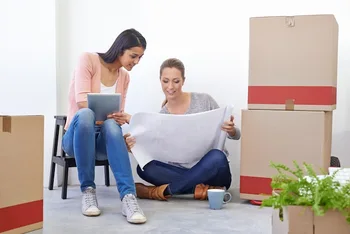
Advance planning is essential to ensure that your move goes smoothly and without unexpected issues. Start by establishing a timeline that includes each stage of the process, from finding a moving company to packing your belongings. Allocate specific times for each task and make sure to include moments to review the inventory, which will allow you to have a clear control over what you will take with you to your new home. This proactive approach will not only help you avoid the stress of leaving everything to the last minute, but it will also enable you to identify any potential inconveniences before they become a bigger problem.
Additionally, planning ahead gives you the opportunity to organize your belongings effectively. Sort your items into categories: what you want to take with you, what you can donate or sell, and what you should discard. This not only reduces the amount of things you need to move, but also contributes to a more sustainable move by giving new life to items in good condition. Remember to consult with friends or family if you have doubts about what to do with certain items; their perspective can be invaluable in this process. By planning ahead, you are laying the groundwork for a successful and positive moving experience.
Advertisements
Checklist: everything you need for a successful move
To ensure a successful move, it is essential to have a checklist that helps you stay on track and not forget any important details. Start by taking an inventory of your belongings. Sort your items into categories such as "to take," "to donate," and "to discard." This first step will not only make packing easier but also allow you to get rid of what you no longer need, making the move more efficient and less overwhelming. Remember to include essential items like important documents, valuables, and daily use items in a separate box to keep them accessible.
Once you have your inventory ready, the next step on your checklist should include acquiring the necessary materials to pack your belongings properly. Make sure to have sturdy boxes, tape, bubble wrap, or blankets to protect fragile items. Additionally, consider labeling each box with its contents and the corresponding room in your new home; this will make the unpacking process easier. Finally, don't forget to coordinate logistical aspects such as hiring a moving company or reserving a truck if you decide to do it yourself. With this well-organized list, you will be on your way to a smooth and trouble-free move.
Choosing the right moving team: hire or do it yourself?
The choice between hiring a professional moving team or moving on your own is a fundamental decision that can significantly affect your overall moving experience. While doing the move yourself may seem like a more economical option, it is essential to consider not only the monetary cost but also the time and effort involved. Renting a van, gathering friends to load and unload boxes, and managing everything that comes with transporting your belongings can quickly become an overwhelming task if you are not prepared. On the other hand, having a professional moving service provides you with peace of mind, as they have the experience and resources needed to handle your items with care.
Additionally, professional moving teams often have insurance that protects your belongings in case of damage during the move. This adds an extra layer of security that can be invaluable when it comes to fragile or valuable items. They may also offer additional services such as packing and unpacking, which can save you time and energy during an already stressful period. When evaluating your options, consider factors such as the distance of the move, the volume of items to be moved, and your budget; this will help you decide which is the best alternative to ensure that your move is safe and effective.
Protection of your belongings: how to pack correctly
The protection of your belongings is a crucial aspect to ensure that your move is safe and effective. For this, it is essential to choose the right packing material. Use sturdy boxes of different sizes to accommodate various items, and make sure to use bubble wrap or blankets to protect fragile items like glass, ceramics, or electronics. Don't forget to reinforce the boxes with quality tape at the base and sides, thus preventing them from opening during transport. When packing, try to distribute the weight evenly in each box; this will not only make handling easier but also minimize the risk of breakage.
Once you have packed your belongings carefully, it is important to label each box clearly. This will allow you to quickly identify its contents and destination in your new home. Use labels or permanent markers to note not only what is inside but also the room each box corresponds to. This way, you will make the unpacking and organizing process easier in your new space. Additionally, consider creating an inventory list to keep a thorough record of your most valuable belongings; this will provide you with peace of mind during the process and will be useful in case of any eventuality during the move.
Time management: effective schedule for moving day
To ensure an effective move, time management is key. A well-structured schedule will allow you to organize each stage of the process, from packing to settling into your new home. Start by creating a task list with deadlines, assigning a specific time for each activity. For example, you can dedicate the first few days to sorting and packing items you don't use frequently, while the weeks leading up to the move focus on those essential items. This will not only ease the process but also give you a clear picture of what you need to do and when.
Also, consider including break times in your schedule to avoid burnout. Moving can be physically demanding, so make sure to schedule regular pauses and stay hydrated. It is also advisable to coordinate with moving services or truck rentals in advance to avoid surprises on the designated day. Remember that flexibility is important; if something unexpected arises, adjust your plan without losing sight of your priorities. By following an effective schedule, you can reduce stress and enjoy the exciting transition to your new home more.
Adapting to the new space: tips for settling in quickly
Once you have arrived at your new home, the key to adapting quickly is to establish a routine from day one. Start by unpacking the essentials: kitchen items, clothing, and personal hygiene products. Having the necessities on hand will help you feel more comfortable and less overwhelmed. Additionally, take some time to explore each room and visualize how you want to organize the spaces. This will help you make better decisions when unpacking and avoid the frustration of having to reorganize everything later on.
Another tip is to take the opportunity to get to know your neighbors and the neighborhood. Greeting and interacting with those around you can make your adjustment easier and help you feel part of the community quickly. If you have children or pets, consider taking them for walks in the area; this will not only help them get familiar with their new surroundings but can also be a good reason to start conversations with other residents. Remember that moving is an opportunity for a fresh start, so keep a positive and open attitude while settling into your new home.
Registration with public services and address changes: don't forget these important details.
One of the most critical aspects to consider during a move is the registration for utilities and address changes. Once you have confirmed your new home, it is essential to notify the electricity, water, gas, and internet companies about your change of residence. This not only ensures that you will have access to these services from day one in your new home, but it also prevents unexpected interruptions that could further complicate the moving process. Make sure to check if there are any specific procedures for canceling or transferring services and take care of these tasks in advance.
Also, don't forget to update your address on important documents such as your bank accounts, subscriptions, and official correspondence. Ignoring this step can lead to confusion and delays in receiving crucial information. Consider making a list of all the institutions that need to be notified and check each change to ensure everything is up to date before the big day. Taking the time to manage these details will allow you to focus on enjoying the experience of settling into your new space without additional worries.
Advertisements
More in Moving

Preparation and Moving, Moving
Tips for a successful move to your new home in Costa Rica

Preparation and Moving, Moving
Keys to ensure that your new home is a safe investment

Preparation and Moving, Moving
Strategies to confidently choose your new neighborhood
Preparation and Moving, Moving
How to choose the perfect time to move to your new home
Most viewed in Preparation and Moving
Preparation and Moving, Moving
Tips for a successful move to your new home in Costa Rica
Preparation and Moving, Moving
Keys to ensure that your new home is a safe investment
Preparation and Moving, Transportation Services
Practical guide to ensure your move to an ideal new home
Preparation and Moving, Transportation Services
Practical tips for a move that protects your new investment