
How to prepare your new property for a smooth transition.

Have you recently moved to a new property and are wondering how to make this transition a smooth experience? Preparing your new home involves not only unpacking boxes but also ensuring that everything is ready to welcome you. In this article, you will discover the essential steps that will help you avoid unpleasant surprises and turn your move into a pleasant process. From planning to organizing, every detail counts to ensure that your new life begins without setbacks.
The importance of an effective moving plan
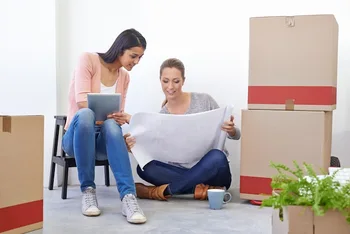
Effective moving planning is crucial to ensure that the transition to your new property is as smooth as possible. A well-structured plan will not only help you organize the process but also minimize the stress associated with changes. This involves creating a detailed timeline that includes every stage of the move, from preparing the old home to setting up services in the new place. By having a clear and organized view of what you need to do and when, you can tackle each task with confidence and avoid unexpected surprises.
Additionally, a good moving plan will allow you to identify potential challenges before they become real problems. For example, by taking an inventory of your belongings, you can decide what to take with you, what to donate or sell, and what to discard. It is also advisable to research your new neighborhood; knowing the most convenient routes for transportation and the loading and unloading schedules can make a difference on moving day. Ultimately, taking the time to create an effective plan not only facilitates the logistical process but also contributes to a harmonious start in your new home.
Advertisements
Pre-inspection: keys to knowing your new property
The pre-move inspection is a crucial step that should not be overlooked. Before settling into your new property, take the time to check every corner of the house. Start by checking the electrical and plumbing systems; ensure that all the lights are working properly and that there are no leaks in faucets or pipes. It is also important to check the included appliances, such as the refrigerator or the washing machine, to confirm that they are in good condition. Conducting this inspection will allow you to identify potential issues before moving in, thus avoiding unpleasant surprises once you are settled.
In addition to the basic facilities, it is also advisable to pay attention to other aspects of the home. Check the windows and doors to ensure they close properly and seal well, which is essential for maintaining energy efficiency. Don't forget to inspect the condition of the roof and walls for moisture or damage. This type of evaluation will help you plan necessary repairs before moving into the property and will allow you to enjoy a safe and comfortable environment from day one. By conducting a thorough inspection, you will be better prepared to deal with any unforeseen issues and can focus on transforming your new space into a cozy home.
Checklist: the essentials you can't forget
To ensure a smooth transition to your new property, it is essential to have a checklist that includes all the essential items. Start by checking the condition of the basic utilities: make sure the electricity, water, and gas are functioning properly. Take some time to test all the switches, faucets, and appliances. This will help you identify any issues before they become a bigger hassle in your daily life. Additionally, check the home security; change the locks if necessary and review the alarm systems or smoke detectors.
Don't forget to include in your list the planning of the space and the organization of your belongings. Measure each room to ensure that your furniture fits properly and consider which items you need to get rid of before settling in permanently. A good tip is to label the boxes according to their contents and the room they belong to, which will make the unpacking process much easier. Finally, don't underestimate the importance of setting up basic services like internet and cable as soon as possible; this will not only make your life more comfortable from day one, but it will also help you feel more connected in your new environment.
Utilities: how to ensure everything works upon arrival
Ensuring that public services are operational upon arriving at your new property is a crucial step in the moving process. Before the moving date, it is essential to contact the electricity, water, gas, and internet companies to confirm that your service will be activated on the day you move in. Doing this in advance will not only prevent inconveniences such as being without power or water but will also allow you to enjoy a comfortable and functional environment from the very beginning. Additionally, check if there are any specific procedures or documentation required to establish these services in your name.
Another important recommendation is to review the existing bills and contracts of the utilities if you are moving into a previously inhabited property. Make sure to understand the current situation: whether there are outstanding balances or if you need to make a change of ownership. It is also a good idea to ask about available rates and promotions; this way, you can choose the most convenient option for you. Don't forget to consider other additional services such as garbage collection and garden maintenance. With proper planning, you can ensure that every aspect related to essential supplies is covered before your arrival, thus facilitating a much more pleasant transition to your new home.
Safety first: recommendations to protect your new home
The security of your new home is paramount to ensure your peace of mind and that of your loved ones. Before fully settling in, conduct a thorough check of all locks and security systems. Changing the locks is an excellent practice, as you don't know how many copies may be in the hands of others. Additionally, consider installing an alarm system or security cameras if the budget allows. These measures will provide you with a greater sense of protection and help you prevent potential incidents in the future.
Don't forget the importance of safety inside the home. Ensure that smoke and carbon monoxide detectors are installed and functioning properly; these devices are vital for detecting dangers before they turn into tragedies. Also, organize spaces well to prevent accidents: place heavy furniture against the wall and secure it if necessary, keep hallways clear, and use corner protectors if you have small children or pets. Implementing these recommendations will not only protect your property but also create a safe and welcoming environment for all household members.
Space organization: optimize from day one
The organization of space is key to ensuring that your new property functions as well as possible from day one. Meticulous planning will allow you to make the most of every corner and facilitate the transition to your new home. Before unpacking the boxes, take some time to visualize how you want each room to look. Consider the flow of the space and how you will interact with it daily. This includes deciding where to place furniture, appliances, and decorative elements, ensuring that everything is in its proper place to maximize both functionality and comfort.
Once you have a clear idea of the layout, start by organizing the most important areas first, such as the kitchen and the bedroom. These are spaces where you will spend a lot of time and should be practical and cozy from the beginning. Use drawer organizers, shelves, and bins to keep everything in order. Additionally, don't forget to label your boxes when unpacking; this will greatly facilitate finding what you need without having to sift through a sea of disorganized items. By optimizing your space from the start, you will ensure a harmonious and functional environment that will make your new life in this property more enjoyable.
Initial decoration: tips to create a cozy atmosphere
Initial decoration is a fundamental step to transform your new property into a cozy home. Start by choosing a color palette that reflects your personality and style. Soft and neutral tones are often ideal for creating a calm atmosphere, while more vibrant colors can inject energy and life into your spaces. Don't forget to incorporate elements like curtains, rugs, and cushions that add texture and warmth, making every corner inviting for relaxation and enjoyment.
In addition to color selection, consider the arrangement of the furniture. Ensure that the layout promotes circulation and allows for social interaction. You can group the furniture into conversational areas, which not only optimizes the space but also fosters a welcoming atmosphere. Complement this design with personal touches, such as family photographs or local art, that tell your story and make everyone feel welcome from the very start. With these simple tips, you will be on your way to creating a refuge where every day feels special.
Neighborhood adaptation: how to integrate quickly
Once you have settled into your new property, one of the most important steps is to integrate into the neighborhood. Adapting to a new environment not only facilitates coexistence but can also enrich your daily experience. Start by exploring the nearby streets; walk or ride your bike to discover parks, local shops, and restaurants that could become your favorites. Greeting your neighbors while you stroll can open the door to new friendships and help you feel like part of the community from the very beginning. Don’t underestimate the power of a casual conversation to establish meaningful connections.
Additionally, participating in community activities is an excellent way to quickly integrate yourself. Find out about local events, such as fairs, markets, or neighborhood meetings that may be scheduled. These gatherings are not only an opportunity to meet other residents but will also allow you to learn more about the culture and traditions of the place. If you have children, consider enrolling them in extracurricular activities where they can socialize with other kids in the neighborhood. By actively engaging in community life, you will not only facilitate your adaptation to your new home but also contribute to strengthening the social fabric of your immediate environment.
Stay calm: strategies for managing stress during the move
Staying calm during a move can be a challenge, but it is essential to ensure that the process goes smoothly. One of the most effective strategies is to establish a clear and realistic timeline that includes each stage of the move, from the initial preparation to unpacking in your new home. Breaking tasks into manageable steps will not only help you stay organized but also allow you to see your progress, which can be a great emotional relief during uncertain times. Additionally, setting aside time to rest and take short breaks throughout the day will help you recharge and avoid burnout. Another essential technique for managing stress is to practice relaxation techniques such as meditation or deep breathing exercises. Spending a few minutes each day on these practices can help you maintain a positive perspective and reduce anxiety related to impending changes. Talking to friends or family about your concerns can also be beneficial; sharing your feelings will provide you with emotional support and possibly helpful advice based on their own moving experiences. Remember that every transition brings challenges, but with a calm and organized mindset, you can turn this phase into an exciting opportunity to start a new chapter in your life.
Advertisements
More in Moving

Preparation and Moving, Moving
Tips for a successful move to your new home in Costa Rica

Preparation and Moving, Moving
Keys to ensure that your new home is a safe investment

Preparation and Moving, Moving
Strategies to confidently choose your new neighborhood
Preparation and Moving, Moving
How to choose the perfect time to move to your new home
Most viewed in Preparation and Moving
Preparation and Moving, Moving
Tips for a successful move to your new home in Costa Rica
Preparation and Moving, Moving
Keys to ensure that your new home is a safe investment
Preparation and Moving, Transportation Services
Practical guide to ensure your move to an ideal new home
Preparation and Moving, Transportation Services
Practical tips for a move that protects your new investment