
Strategies to ensure a move that maximizes your peace of mind
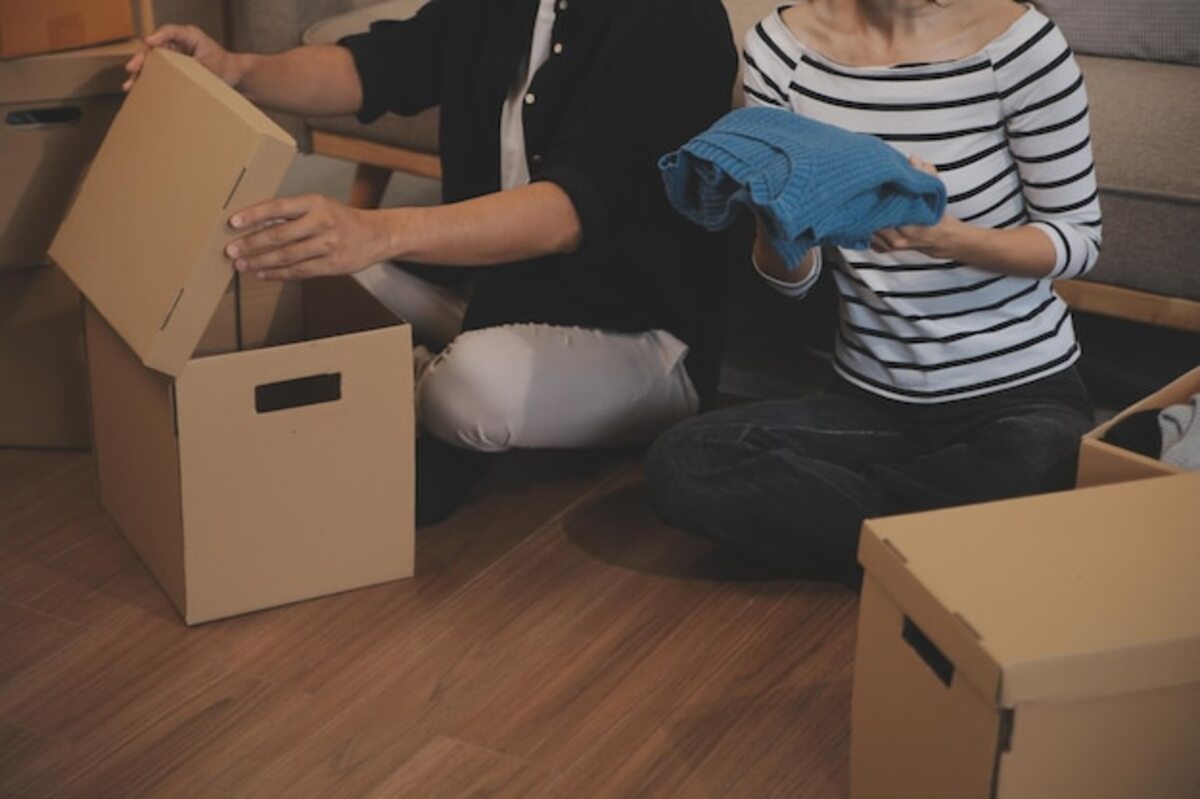
Are you ready to take the big step towards your new home? A move can be an overwhelming process, but with the right strategies, you can turn this challenge into a smooth and organized experience. In this article, you will discover practical tips that will help you plan every detail of your move, from preparation to D-day. Make sure to maximize your peace of mind with our expert recommendations and enjoy the journey towards your fresh start.
Pre-planning: When to start getting organized?
Advance planning is essential to ensure a smooth and efficient move. Ideally, you should start organizing at least two months before the scheduled date. This time will allow you to approach each task calmly, avoiding the pressure of tight deadlines. Start by making a list of all the tasks you need to complete, from sorting your belongings to hiring a moving company or renting an appropriate vehicle. Taking the necessary time to plan adequately will not only help reduce stress but also allow you to identify any special needs you may have, such as the transportation of fragile items or bulky furniture.
Another key aspect at this stage is to establish a clear timeline that defines what tasks you need to complete each week. This way, you can break the process down into more manageable steps and avoid feeling overwhelmed by the number of things to do. Remember to include in your planning moments to review your belongings and decide what you can donate or sell before the move; this will not only make your new home more welcoming upon arrival, but it will also ease the logistical process. With good prior planning, you will be much more prepared to face any unforeseen events and enjoy the exciting journey to your new home.
Advertisements
Checklist: Essential items not to forget.
To ensure a smooth move, it is essential to have a checklist that includes all the necessary items. Start by sorting your belongings into categories: essential items, fragile objects, and those you can do without temporarily. This will not only help you get organized better but also allow you to identify what you need to take with you on the first day in your new home. Remember to include items like important documents, electronic device chargers, and basic cleaning supplies; these are the items you will want to have on hand immediately after the move.
Also, make sure to keep in mind moving supplies such as sturdy boxes, tape, and markers to clearly label each box. Do not underestimate the importance of a good logistics plan: coordinate the transportation schedule in advance and check if you need professional help or if you prefer to do it with friends and family. Having a detailed list will not only keep you focused throughout the process but will also minimize the chances of forgetting something crucial amid the chaos of the move. With this proper preparation, you will be one step closer to enjoying your new home without unnecessary stress.
Moving company selection: Tips for choosing the best option.
Choosing a moving company is a crucial step in the process of relocating to your new home. To ensure you make the best decision, start by researching different options in your area. Ask for recommendations from friends and family, and look for online reviews to assess the reputation of each company. Don't settle for just the first options; compare at least three companies to have a broader view and be able to choose the one that best fits your needs and budget.
Once you have a shortlist, contact the companies to request detailed quotes. Make sure they include all the services you need, such as packing, transportation, and unpacking. Also, ask about their insurance policy: a good company should offer you adequate protection for your belongings during the move. Remember to read the contracts carefully before signing and don't hesitate to ask questions if something is unclear. This way, you can ensure a smooth experience on moving day.
Efficient packing: Techniques to protect your belongings.
An efficient packing is essential to ensure that your belongings arrive at your new home in perfect condition. Start by gathering all the necessary materials: boxes of different sizes, packing tape, labels, and bubble wrap. Make sure to use sturdy boxes for heavy items and smaller ones for fragile objects. To protect your belongings, place bubble wrap or blankets at the bottom of the boxes and wrap each item individually. Don't forget to fill any empty space with cushioning material to prevent shifting during transport. This approach not only protects your things but also makes unpacking easier when you arrive at your new home.
Organization is key in efficient packing. When packing, start with the rooms you use the least and label each box with its contents and the corresponding room in your new home. This will not only help you keep track of what you've packed, but it will also make the unpacking process much smoother and less stressful. Additionally, consider making an inventory list of your belongings; this will allow you to know exactly what you have and give you peace of mind throughout the moving process. With these packing techniques, you will be well-prepared to face any eventuality while maximizing the safety of your most treasured possessions.
Time Management: How to Optimize Each Stage of the Move.
Managing time during a move is crucial for maintaining calm and organization at every stage of the process. To begin, establish a detailed timeline that includes all phases of the move, from the initial preparation to unpacking in your new home. Assign specific dates for each task, such as sorting and packing your belongings, notifying address changes, and coordinating with moving services. By breaking the project into small and manageable tasks, you will avoid feeling overwhelmed and can confidently progress towards your final goal.
It is also advisable to prioritize tasks according to their importance and urgency. For example, start by packing the items you use the least or that you won't need until you arrive at your new house. This way, you can free up space without interrupting your daily routine. Also, consider setting aside a day or two before the move to do a final review of everything you've packed and ensure that you haven't overlooked anything important. By optimizing each stage of the process with good time management, you'll be better prepared to face any unforeseen events and fully enjoy the exciting change of home.
Strategies to involve children and pets in the process.
Involving children and pets in the moving process not only alleviates the emotional burden that this change can generate, but also helps them adapt better to their new environment. An excellent strategy is to turn the move into a fun activity. For example, you can organize a "packing party," where children decorate their boxes with drawings or stickers. This not only gives them a sense of ownership over their belongings, but also allows them to express their creativity during a time that could be stressful. At the same time, make sure to involve your pets; consider giving them a special space in the new house and allowing them to explore while you pack.
It is also essential to maintain a routine for children and pets during the moving process. Make sure to establish regular schedules for meals and activities, which will help reduce the anxiety caused by the change. You can include specific moments to play with your pets or read stories to the children about the new house, thus fostering their excitement and curiosity about the new home. It is also helpful to have an accessible "survival kit" for both: favorite toys for the children and treats or new toys for the pets. This way, everyone will feel more comfortable and secure as they adapt to the new space together.
Preparations in your new home: What you should do before moving.
Before making the big leap to your new home, it's essential to carry out a series of preparations that will ease your transition. Start by taking a detailed inventory of your belongings; this will not only help you know what you have but will also be useful in deciding what to take with you, what to sell or donate, and what to discard. Creating a labeling system for the boxes will allow you to organize better and find what you need in your new space without complications. Additionally, make sure to notify the utility services about your move in advance to avoid unpleasant surprises upon arrival.
Another key aspect of the preparations is planning the space in your new home. Take the time to measure the furniture and define how you want to arrange it in each room. This will give you a clear idea of the design before your belongings arrive and will prevent you from wasting time rearranging everything once you are there. Also, consider doing a deep clean in the new place before settling in; this will make your move more pleasant and ensure a fresh and welcoming environment from day one. With these well-executed preliminary steps, you will be much closer to enjoying a calm and organized moving process.
Post-move tips: How to quickly adapt to your new environment.
Adapting to a new environment can be a challenge, but there are strategies that will make the transition easier for you. First, take time to explore your neighborhood. Spend a few hours walking through the nearby streets and getting familiar with important places: supermarkets, pharmacies, parks, and other essential services. Knowing the area will make you feel more connected to your new home and help reduce the anxiety that sometimes accompanies change. Additionally, take this opportunity to introduce yourself to your neighbors; building relationships from the beginning can be key to creating a sense of community.
Another fundamental aspect is to personalize your space as soon as possible. Unpack your belongings and organize each room according to your needs and tastes. Place your favorite items in visible spots; this will not only make your home feel cozier, but it will also remind you of happy moments from your previous life. Consider adding decorative elements that reflect your personality or significant memories. This process will not only help you feel more comfortable in your new environment, but it will also allow you to start building new memories in this chapter of your life.
Advertisements
More in Moving

Preparation and Moving, Moving
Tips for a successful move to your new home in Costa Rica

Preparation and Moving, Moving
Keys to ensure that your new home is a safe investment

Preparation and Moving, Moving
Strategies to confidently choose your new neighborhood
Preparation and Moving, Moving
How to choose the perfect time to move to your new home
Most viewed in Preparation and Moving
Preparation and Moving, Moving
Tips for a successful move to your new home in Costa Rica
Preparation and Moving, Moving
Keys to ensure that your new home is a safe investment
Preparation and Moving, Transportation Services
Practical guide to ensure your move to an ideal new home
Preparation and Moving, Transportation Services
Practical tips for a move that protects your new investment