
Tips for making renting a safe and profitable investment

Tips for making rental property a safe and profitable investment is an essential guide for those looking to maximize their return on investment in rental properties. In a constantly changing market, landlords must adapt and apply effective renovation strategies and adjustments that not only attract tenants but also ensure long-term profitability. Here, we provide practical tips that will transform your approach to renting, turning it into a solid source of passive income and financial stability.
Assessment of the property's potential: Is it worth renting it?
To determine if a property is a viable investment for rental, it is crucial to conduct a thorough assessment of its potential. This involves analyzing various factors such as location, rental demand in the area, and the characteristics of the property itself. A property located in an area with good infrastructure, access to public transport, and proximity to essential services tends to attract more tenants, which can result in steady occupancy and higher rents. Understanding the local market will allow you to set realistic expectations about the income you can generate and help you identify improvement opportunities for the property.
In addition to the location, it is essential to consider the physical condition of the property. Properties that require renovations or repairs may seem attractive due to their low initial cost, but additional expenses can erode your profits. Conducting a detailed inspection will allow you to understand the condition of the electrical, plumbing, and heating or air conditioning systems. Investing in strategic improvements will not only increase the value of the property but also attract tenants willing to pay a higher rent for a well-maintained and modern space. Ultimately, properly assessing the property's potential is the foundation for ensuring that your rental investment is profitable and sustainable in the long term.
Advertisements
Renewal strategies: improvements that truly add value
Renovation strategies are essential for increasing the value of a rental property, and there are specific improvements that can provide a significant return. Investing in aesthetic updates, such as fresh paint, modern flooring, or even new lighting, not only revitalizes the space but can also enhance its appeal to potential tenants. Additionally, incorporating functional and sustainable elements, such as low-flow faucets or energy-efficient appliances, not only reduces operating costs for tenants but also positions your property as a more attractive option in an increasingly competitive market. Another key strategy is to improve the layout and use of space. Making renovations that optimize the functionality of the home—such as adding storage or opening up common areas—can make a property significantly more desirable. Furthermore, considering the incorporation of smart technology, such as programmable thermostats or connected security systems, can differentiate your offering in the market. These renovations not only increase tenant comfort and satisfaction but can also allow you to justify higher rents due to the improved amenities and overall increased value of the property.
Rent price adjustments: how to set competitive rates
Setting competitive rental rates for properties is crucial to attract tenants and ensure consistent occupancy. To achieve this, it is important to conduct a thorough analysis of the local market. This involves researching the prices of similar properties in the same area, considering factors such as size, location, and additional features. Utilizing online tools and consulting with real estate agents will provide you with a clearer overview of current rates. Once you have this information, you can set an appealing price that is not only competitive but also reflects the true value of your property.
In addition to adjusting the initial rates, it is essential to periodically review rental prices based on market demand and economic conditions. If you notice that there is high demand in your area or significant improvements in your property, such as renovations or recent maintenance, you might consider an increase in rent. However, it is important to do this cautiously; an excessive increase can lead to vacancy of the property. Therefore, maintaining open communication with your tenants about any planned adjustments can also be beneficial in fostering long-term relationships and ensuring their satisfaction with the home you have provided.
Effective marketing: attracting tenants with innovative techniques
Effective marketing is essential to attract quality tenants and ensure that your property remains in high demand. In a competitive environment, it is crucial to use innovative techniques that highlight the unique features of your property. Strategies such as creating appealing ads with professional photographs, detailed descriptions, and showcasing nearby amenities can make a difference. Additionally, leveraging digital platforms and social media allows you to expand the reach of your listing, reaching a broader and more diverse audience actively seeking their new home.
Another valuable technique is to offer virtual tours or 3D walkthroughs of the property. This not only saves time but also provides potential tenants with an immersive experience that can help them visualize living in the space. Complementing this strategy with temporary promotions, such as discounts on the first month’s rent or referral incentives, can make your property even more appealing compared to the competition. Remember that a proactive and creative approach to marketing will not only attract tenants quickly but also help build a strong reputation as a responsible and accessible landlord.
Importance of presentation: preparing your property for showing
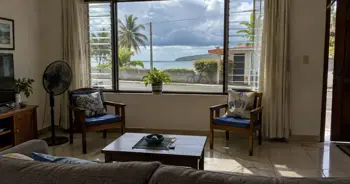
The presentation of a property plays a fundamental role in its appeal to potential tenants. A well-maintained and aesthetically pleasing home not only captures attention but also conveys an impression of seriousness and responsibility on the part of the owner. Ensuring that every corner is clean, organized, and tastefully decorated can make the difference between closing a deal quickly or leaving the property vacant for months. From making small repairs to considering a fresh coat of paint, all these details contribute to creating a welcoming environment that invites tenants to imagine living there.
Additionally, preparing your property for showings involves understanding the needs and preferences of the target audience. This can include choosing neutral colors that amplify the space to depersonalizing the place by removing overly personal or specific items. It is also beneficial to highlight the most attractive features of the property, such as well-maintained gardens, storage spaces, or pleasant common areas. By presenting your property in a professional and effective manner, you will not only increase your chances of immediate rental but also be able to justify better prices in the current competitive market.
Proactive maintenance: avoiding unforeseen costs in the future
Proactive maintenance is a key strategy to avoid unexpected costs in the future and ensure that your investment in rental properties remains profitable. This involves conducting regular inspections and continuously monitoring the condition of the property. By identifying minor issues before they escalate into costly repairs, you can save a significant amount of money in the long run. Additionally, keeping the property in optimal condition not only increases its value but also enhances tenant satisfaction, which can translate into longer occupancy periods. Implementing a preventive maintenance plan includes basic aspects such as the annual check of electrical and plumbing systems, as well as periodic roof and exterior facility inspections. Keeping detailed records of these actions will allow you to have better control over expenses and future needs of the property. Investing time and resources in this type of maintenance not only protects your investment but can also be a decisive factor in attracting responsible tenants who value living in a well-maintained place. With a proactive approach to maintenance, you will create a solid foundation to ensure long-term profitability in your rental property.
Knowing the ideal tenant: profiling your future renters
Knowing the ideal tenant is a fundamental step to ensure that your investment in rental properties is not only profitable but also sustainable. Defining the profile of your future renters will allow you to customize your marketing strategy and establish clear criteria during the selection process. Consider factors such as age, lifestyle, income, and specific preferences that could make your property more attractive to certain demographic groups. By understanding who your ideal tenant is, you can adjust both the features of the property and the additional services you offer, thus increasing your chances of attracting the best tenants. Furthermore, once you have identified your ideal tenant, it is important to implement a rigorous selection process. This includes background checks and financial assessments to ensure that each candidate meets the necessary requirements for maintaining a successful rental relationship. A good tenant not only guarantees timely payments but also takes care of the property and contributes to a harmonious environment in the neighborhood. By taking the time to understand and profile your future renters, you will be investing in a positive experience for both you as the owner and for them as tenants.
Use of technology for efficient property management
Technology has revolutionized the way we manage rental properties, offering tools that optimize both management and the tenant experience. Real estate management platforms allow owners to keep detailed track of income, expenses, and maintenance, facilitating informed decision-making. Moreover, the use of apps for bookings and online payments simplifies the process for tenants, which not only improves their satisfaction but also reduces delinquency rates. Implementing these technological solutions can lead to more efficient and less stressful management.
Automation also plays a crucial role in maximizing time and resources. Intelligent systems can schedule reminders for payments or preventive maintenance tasks, ensuring that nothing is overlooked. Analytical tools also allow for the evaluation of rental performance against the local market, helping to adjust prices and strategies as needed. With a proactive approach supported by technology, owners not only protect their investment but also create an attractive environment for tenants, which is essential for ensuring consistent and profitable occupancy in the long term.
Legal aspects to consider in rental contracts
Legal aspects are fundamental when formalizing rental contracts, as a well-drafted agreement not only protects the rights and obligations of both parties but also prevents future conflicts. It is essential to include clear clauses regarding the duration of the contract, the amount of rent, payment conditions, and the terms for terminating the agreement. Additionally, it is important to consider local regulations related to rentals, as these vary significantly and can affect both the landlord and the tenant. A solid contract must comply with these regulations to ensure its legal validity.
Another key aspect is the inclusion of policies regarding security deposits and property maintenance. Landlords should be informed about the laws governing the use and return of these deposits, as well as the responsibilities regarding maintenance and repairs. Clarifying who will be responsible for what type of repairs can prevent misunderstandings and ensure that the property is kept in optimal condition. By addressing these issues from the outset, you can establish a more transparent relationship with your tenants and minimize risks associated with legal problems in the future.
Create lasting relationships with tenants to ensure continuity.
Creating lasting relationships with tenants is essential to ensure the continuity of renting your property. When landlords establish open and transparent communication from the start, it fosters a trusting environment that can make tenants feel more comfortable and satisfied in their home. This not only reduces turnover but can also lead to more responsible tenants who take better care of the property. If tenants feel that their concerns are heard and valued, they are more likely to want to renew their lease instead of looking for other options.
Additionally, fostering a positive relationship can open the door to future referrals and help build a solid reputation in the rental market. Happy tenants often speak well of the landlord and may refer friends or family who are potentially interested in renting. Implementing small actions like responding promptly to maintenance requests, offering incentives for renewals, or even conducting regular check-ins to ensure everything is in order can make a difference. At the end of the day, investing time in creating meaningful connections with your tenants will not only benefit your real estate business but also contribute to the overall well-being of your community.
Advertisements
More in Renewal and Adjustments

Rental Guides, Renewal and Adjustments
Tips for ensuring a successful and surprise-free rental

Rental Guides, Renewal and Adjustments
Tips for successfully negotiating the ideal rent in Costa Rica.

Rental Guides, Renewal and Adjustments
Keys to a successful rental in Costa Rica without surprises

Rental Guides, Renewal and Adjustments
Guide to finding the ideal rental that fits your lifestyle
Most viewed in Rental Guides
Rental Guides, Rights and Obligations
Tenant rights in Costa Rica: what to know before signing

Rental Guides, Rental Contracts
Strategies for Effectively Negotiating Your Rental Agreement

Rental Guides, Requirements for Renting
Tips to speed up the rental process in Costa Rica
Rental Guides, Renewal and Adjustments
Tips for ensuring a successful and surprise-free rental