


Rental scams: how to verify owner and home before you pay
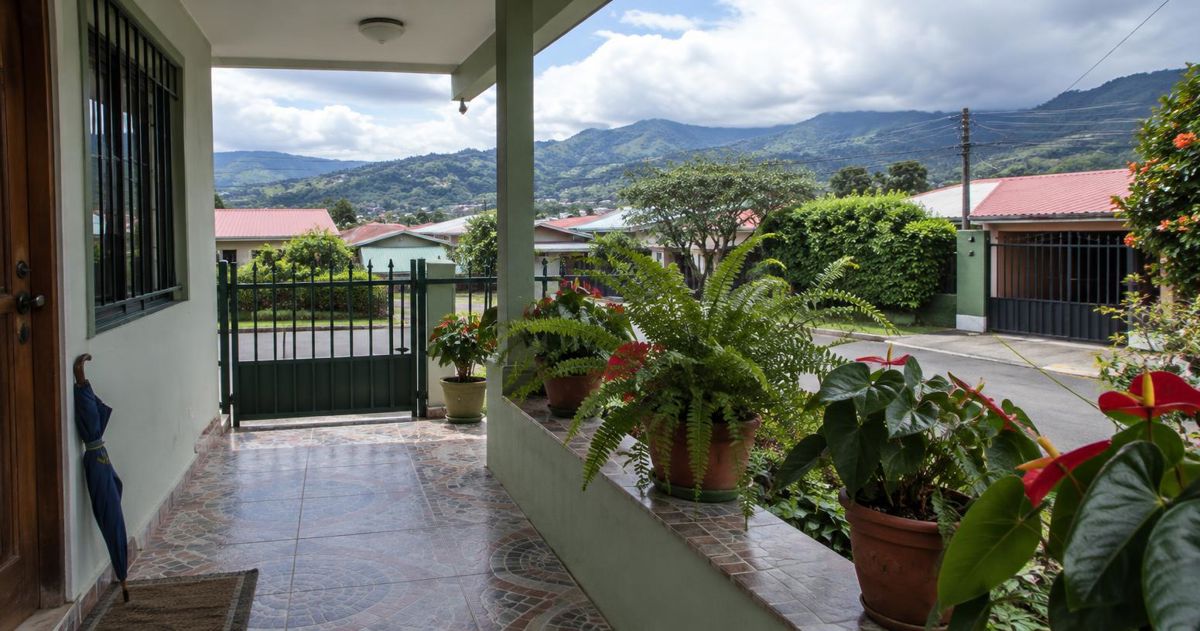
A rental scam in Costa Rica almost always follows the same script: an attractive listing, pressure to reserve and a payment before seeing the house. This guide is for anyone looking for a home to rent, inside the country or from abroad: it explains the most common scams, the warning signs, how to verify the owner and the home before paying and what to do if you have already paid.
What are the most common scams and how do you spot a fake listing?
A rental scammer does not need a house: photos, a phone number and a believable story are enough. That is why the scams resemble one another and can be recognized. These are the ones that repeat most often in Costa Rica, on social networks as well as on listing sites and messaging groups:
- The cloned listing: photos and description copied from a real house, posted with a different contact and a lower price.
- The absent fake owner: claims to be out of the country and asks for the deposit to send the keys or send someone to open up.
- The reservation without a visit: charges an amount to «hold» the house while you decide, and then disappears.
- The unauthorized middleman: someone who knows the house, or lives in it, offers it without the owner knowing.
- The house rented to several people: the same home is offered to several people and each one pays a deposit.
The warning signs also repeat: a price far below similar houses in the same area, photos without the façade or the street, a vague address, pressure («other people are interested»), an owner who can never take a call or show the house, and a request to transfer by SINPE Móvil or by deposit to a third party's name before the visit. To judge whether a price makes sense, compare it with other cheap homes for rent in Costa Rica and with what the guide on how much it costs to rent a house in Costa Rica explains.
A listing on a well-known platform is not genuine just because of where it appears: a cloned listing can show up on any site. When reviewing homes for rent in Costa Rica, be wary when the same house appears with two prices or two different contacts, and when the person posting refuses to give their full name. An internet search of the photos often shows whether they were already posted in another listing, in another city or even in another country.
Advertisements
What tenant mistakes make a scam easier and what data should you not hand over?
Most scams work because the tenant accepts a step they should not take yet. The most frequent mistakes are paying to reserve without having seen the house, dealing only by message with someone who never answers a call, not asking for identification, accepting a screenshot as proof of ownership and letting yourself be rushed by the idea that other people are ready to pay. In a difficult search, with few options and a move coming up, those shortcuts seem reasonable; they are exactly what the scammer is counting on.
The other mistake is handing over personal data too soon. With a copy of your ID card or passport, a photograph of you holding the document or a verification code sent to you by text, someone can open accounts or take control of your phone. Before signing, share only what is needed to get acquainted; full documents are handed over when signing the contract, and passwords and codes are never handed over. The table summarizes what is advisable to give at each stage.
| Data | Before signing | When signing |
|---|---|---|
| Name and phone number | Yes | Yes |
| Copy of ID card or passport | Only with a mark stating its purpose | Yes, for the contract |
| Proof of income | Only once the house and owner are verified | As agreed |
| Photo of you holding the document | No | Not usually needed |
| Passwords, PINs or text codes | Never | Never |
| Full card details | Never | Never |
How do you verify that the person renting is the owner or authorized by them?
In Costa Rica, ownership of a property is recorded in the National Registry (Registro Nacional), and that search is the most useful proof a tenant has. The idea is simple: the name of the person renting to you should match the registered owner, or that person should show that the owner authorized them. These steps put the verification in order:
- Ask for the full name of the person renting and see their ID card or passport in person, not in a photo.
- Ask for the property's registry number (número de finca) and check in the National Registry who appears as the owner.
- Compare the name in the registry with the one on the identity document you were shown.
- If the person renting is not the owner (a relative, a property manager or a broker), ask for a written authorization or a power of attorney signed by the owner and confirm with the owner by phone or in person.
- If the house is in a company's name, ask for the corporate certification (personería jurídica) showing who represents it.
If something does not match, do not pay until it is cleared up. A real owner understands being asked for this verification and usually does not mind; someone who refuses, changes the subject or rushes you again is giving you the clearest warning sign. When there is a power of attorney or an authorization you cannot interpret, a lawyer or a notary can check whether it is sufficient to rent out the property. With a broker, also ask for the document linking them to the owner and speak with the owner before paying.
Why visit the house before paying and how do you pay safely?
The visit is the proof no scammer can fake: it confirms that the house exists, that it matches the photos, that it is vacant and that the person showing it has the keys and opens the door. It also lets you see the real condition of roofs, bathrooms, wiring and water, and talk to a neighbor, who usually knows who the owner is and whether the house has been offered before. That is why the prudent course is to pay nothing, not even to reserve, before that visit.
A safe payment has three parts. First, the signed contract, stating who is renting, which house, how much is paid and what the deposit covers; the guide on the rental agreement in Costa Rica: what it must say, what is void details its content. Second, an account in the owner's name: before confirming a transfer or a SINPE Móvil payment, check that the name your bank shows is the owner's. Third, a signed receipt stating the purpose, the month and the house. Avoid cash without a receipt.
The deposit has a defined role in the law: under article 59 of the Ley General de Arrendamientos Urbanos y Suburbanos (Law 7527), any guarantee attached to a lease, whatever its nature, answers for the rent and for every other obligation arising from the law or the contract, unless expressly agreed otherwise. That is why the prudent course is to hand it over once there is a signed contract: a payment to reserve, made before signing, is left without a document stating what it covers or to whom it was paid.
How do you protect yourself when renting from another city or from abroad?
Anyone moving to Costa Rica, or from one province to another, is the scammers' favorite target: they cannot easily visit the house and are usually in a hurry to settle where to land. Distance does not change the rule of verifying before paying; it only forces you to do it another way. These measures replace the in-person visit as well as possible:
- Ask for a live video call from the house, showing the façade, the street and a detail you choose on the spot.
- Send a trusted person to visit the house and see the identification of the person renting in person.
- Run the owner search in the National Registry yourself, or with a lawyer's help.
- Ask for the contract before paying and review it with a lawyer or notary if you will sign remotely.
- Consider a temporary stay on arrival while you visit houses in person.
From abroad, payment is the most delicate point. Transfer only to an account in the name of the owner you verified, never to a third party who «collects on their behalf», and be wary of anyone asking for person-to-person money transfer services, gift cards or cryptocurrency: these are hard to trace and almost impossible to reverse. A pre-recorded video call or new photos prove nothing; what reduces the risk is the combination of the registry search, a trusted person and a signed contract.
What should you do if you already paid and the house is not handed over?
If you paid and the person stopped answering, the house does not exist or turned out to be occupied by another family, act quickly and in order. Speed matters above all with your bank, and evidence matters for the report. These steps summarize the practice:
- Do not send more money, even if you are promised a refund in exchange for one last payment.
- Keep everything: the listing, screenshots of the messages, phone numbers, names and payment receipts.
- Notify your bank or the institution you paid from immediately and report the transfer.
- File a report with the Judicial Investigation Agency (OIJ) with all the evidence.
- Report the listing to the platform where you saw it, so it is removed and does not deceive other people.
There is a different case: the real owner exists, you signed a contract with them and they do not hand over the house on the agreed date. That is not always a scam but a contract problem, and it is best to consult a lawyer before taking any action on your own. In both cases, the signed contract, the receipts and the saved messages are what allow you to make a claim; that is why they are so valuable from the first contact.
What we would do before paying for a rental
- We would pay nothing, not even to reserve, before visiting the house or having a trusted person visit it.
- We would check in the National Registry who the owner is and compare it with the ID of the person renting.
- We would pay only with the signed contract, into an account in the owner's name and against a signed receipt.
- We would keep the listing, the messages and the receipts from day one.
- If the plan is to buy later on, we would apply the same owner verification to homes for sale in Costa Rica.
Frequently asked questions
Is it normal to be asked for a payment to reserve before seeing the house?
It is one of the most frequent scams. The prudent course is to pay nothing before the visit and before confirming who the owner is, even if you are told other people are interested. A payment made before signing is left without a document stating what it covers or to whom it was paid, and pressure is precisely one of the warning signs this guide describes.
Is it enough for the listing to be on a well-known site?
No. A cloned listing copies the photos and description of a real house and can appear on any site or social network. What protects you is not where the listing was posted but the verification: comparing the registered owner with the person renting, visiting the house and paying only with a signed contract, into an account in the owner's name and against a receipt.
What if the person renting is a broker or a relative of the owner?
It can be legitimate, but it is advisable to ask for the written authorization or power of attorney signed by the owner and confirm with the owner by phone or in person before paying. If the document is unclear, a lawyer or notary can check whether it is sufficient to rent out the property. In any case, the payment goes to an account in the owner's name and against a receipt.
Does a video call replace the visit?
It reduces the risk if it is live and shows the façade, the street and a detail you choose on the spot, but it does not confirm who the owner is. From another city or from abroad, what protects you most is combining it with a visit by a trusted person, the National Registry search and a signed contract before paying.
This guide summarizes common practice for renting a house in Costa Rica and does not replace the advice of a lawyer or a notary, who can review your case, your documents and your contract before you pay.
Advertisements
More in Requirements for Renting

Most viewed in Rental Guides

Rental Guides, Requirements for Renting
How to rent a house in Costa Rica: steps and requirements

Rental Guides, Rental Contracts
Rental deposit: what it covers and how it is agreed
Rental Guides, Rights and Obligations
Tenant rights in Costa Rica: what to know before signing

Rental Guides, Rights and Obligations
Tenant rights regarding repairs not made by the landlord