Quality of life
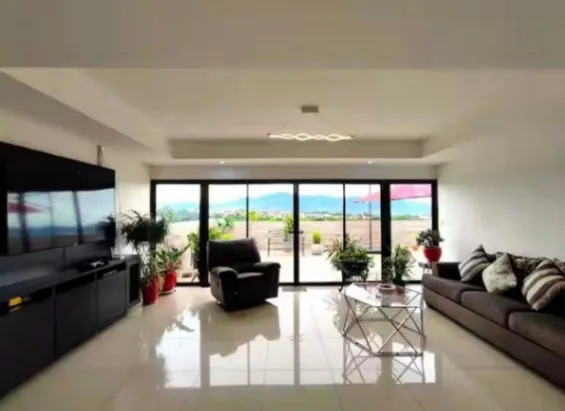
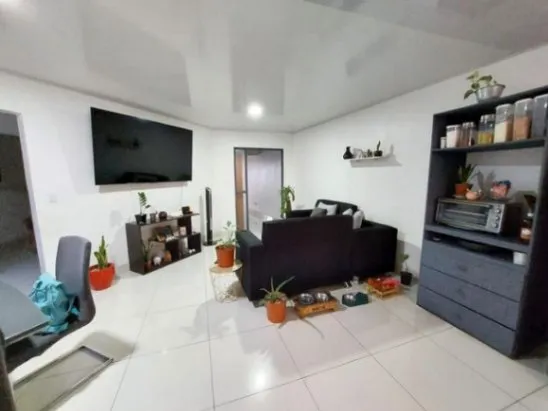
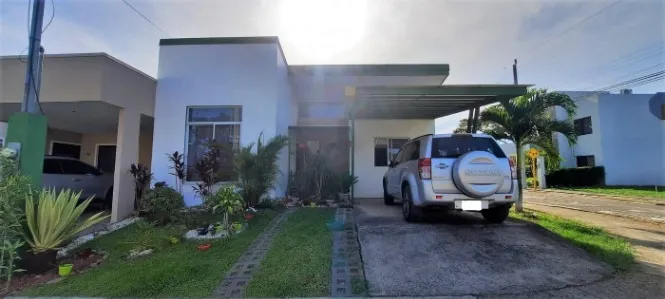
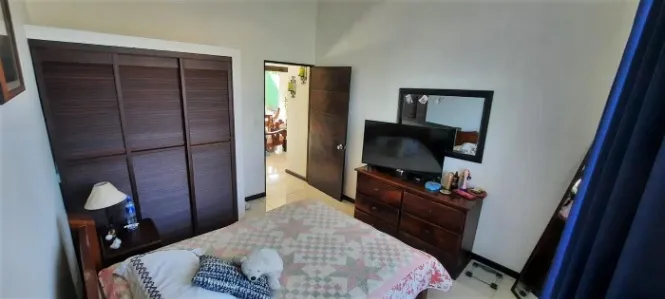
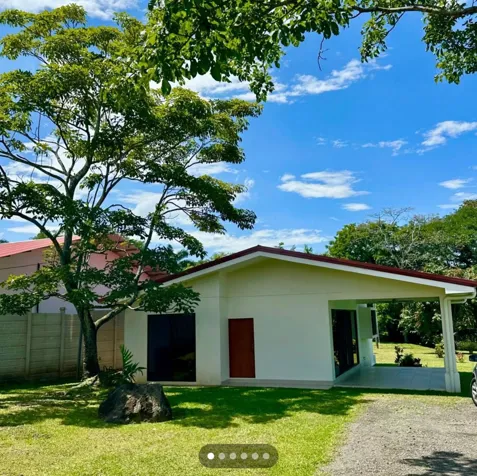
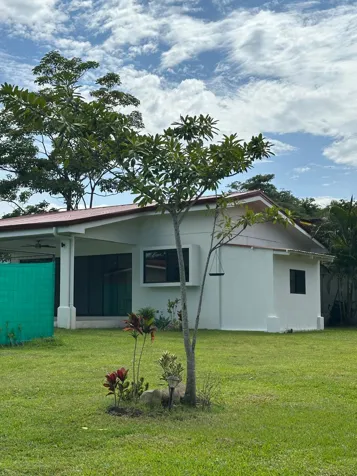
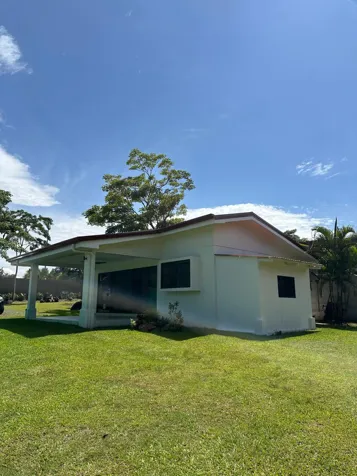
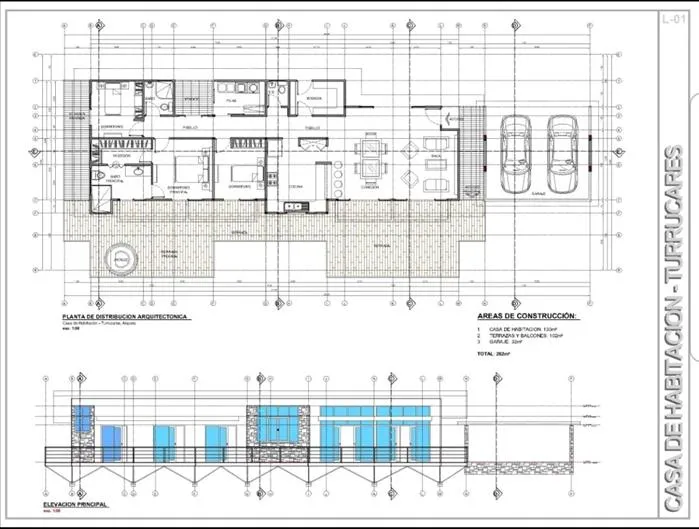
Turrúcares is a district of the canton of Alajuela, not a canton seat, and it is inland, with no coastline. Its neighbors include districts of the canton of Mora, which suggests a mix of rural and semi-rural land rather than a dense city grid. The listings for sale cover houses, lots and land, farms and commercial spaces, while rentals are limited to houses.
Before moving, check the things that vary from one street to the next: whether the property has a reliable water connection, how noisy the nearby road is, how you reach the main road, and how far the nearest shops, clinics and schools are from the specific address.
Cost of living
Housing is usually the largest expense, and it depends on the property type, size and exact setting. A house, a lot and a farm each carry a different cost structure, so compare similar properties.
Beyond rent or purchase, budget for utilities such as electricity, water and internet, daily transport (fuel, parking, bus fares or a second vehicle if you live outside a town center), and, if you buy, annual property tax. If the home is in a gated community or condominium, ask about monthly fees. When there are enough listings, this page shows above the typical rent and purchase prices for the zone, which gives a starting point.
Lifestyle
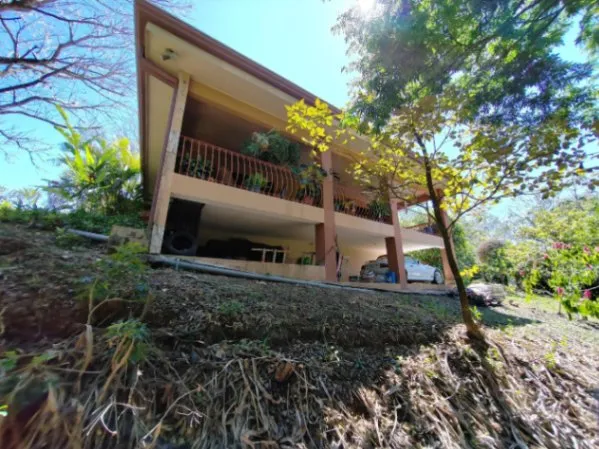
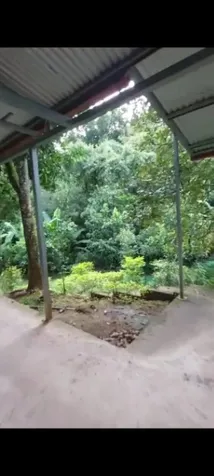
The pack describes a district with farms, rural villages and official neighborhoods, so daily life here is likely rural to semi-rural. Expect more space between properties than in a city center, and plan on using a car for most errands, especially if you live in one of the outlying villages.
For larger purchases, banking, government paperwork and a wider choice of stores, residents generally turn to the canton seat, Alajuela, which is the closest city center of its size. Ask neighbors where they buy groceries and where they go for health care, since that tells you more than a map.
Climate and nature
Turrúcares is not on the coast. Like most of the Central Valley and its western edge, it follows Costa Rica's two-season pattern: a dry season roughly from December to April and a rainy season for the rest of the year, with the heaviest rain usually in the later months.
Within a district, conditions change with elevation and slope. Higher and more exposed land tends to be wetter and breezier, and lower land tends to be warmer and drier. Visit a property in both seasons if you can, and look at drainage, vegetation and how the land handles heavy rain.
Economy and opportunities
The listings of farms, lots and commercial spaces point to an economy tied to agriculture and small business, as in much of rural Alajuela. Services and trade in the canton seat add to local work, and many residents of areas like this commute to jobs elsewhere in the Central Valley.
Being close to San José and to the international airport matters for anyone who works in the metro area, travels often or needs to study there. It is also relevant for remote workers who need occasional flights. Commuting patterns vary a lot by hour, so test the route you would actually use.
Accessibility and location
Turrúcares is district number 11 of the canton of Alajuela, in the province of Alajuela. Its postal code is 20111 and it covers 35.9 km² (13.9 sq mi). The local authority is the Municipalidad de Alajuela.
It borders Colón, Piedras Negras and Picagres (canton of Mora), San Antonio, Guácima, Garita, and Concepción (canton of Atenas). In a straight line, it is 16.1 km (10.0 mi) from the canton seat, Alajuela; 28.1 km (17.5 mi) from downtown San José; and 13.9 km (8.6 mi) from Juan Santamaría International Airport (SJO).
Costa Rica's official territorial division (Decree 44882-MGP) lists these neighborhoods: Bajo Pita, Granja, Morera, San Martín, Santa Rita, Turrucareña and Villacares. Villages include Bajo San Miguel, Candelaria, Carrera Buena, Cebadilla and Cerrillos. Real travel time depends on the hour and the road.
History
Turrúcares, located in the province of Alajuela, Costa Rica, has evolved significantly since its founding. The first communities were established, driven by agriculture and commerce.
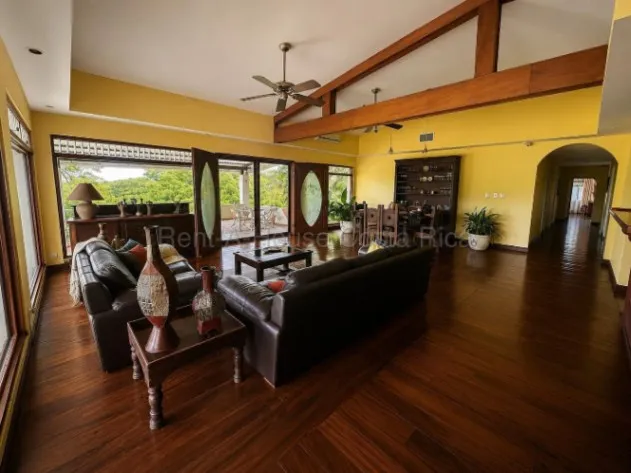
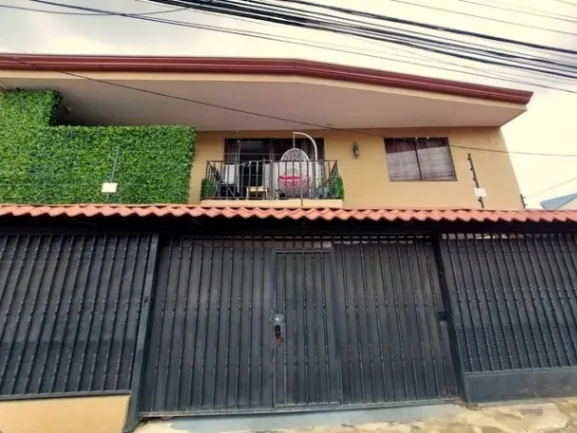
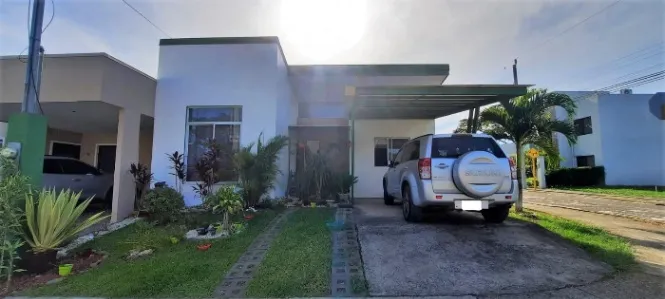
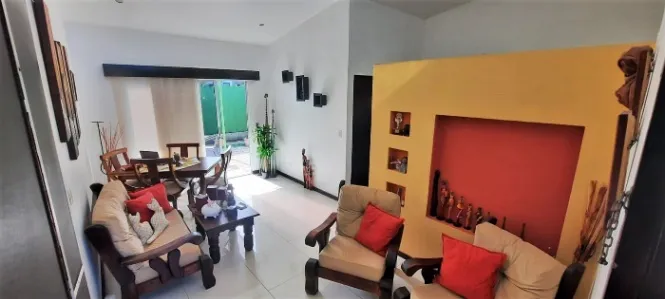
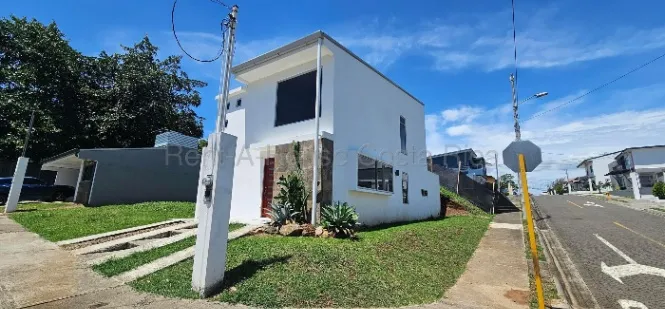
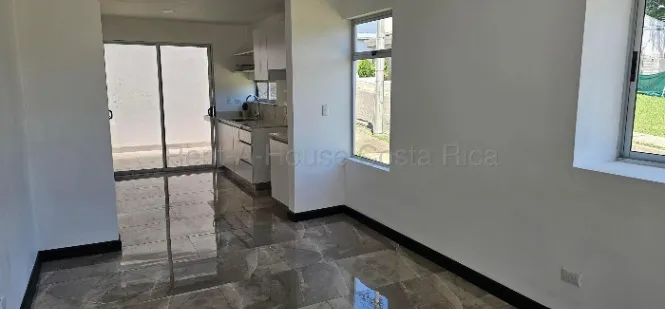
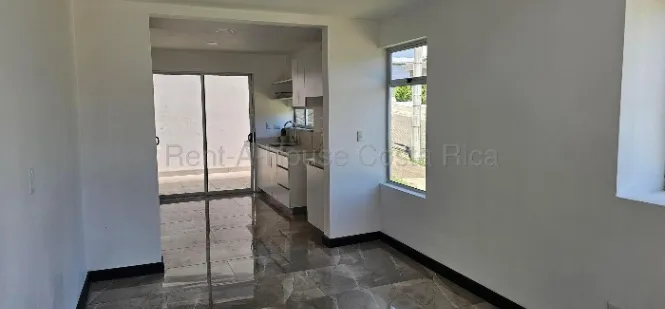
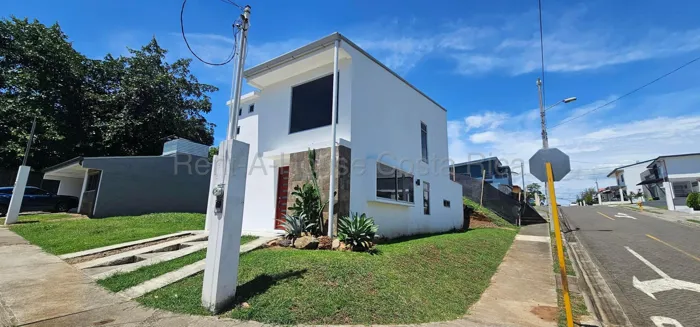
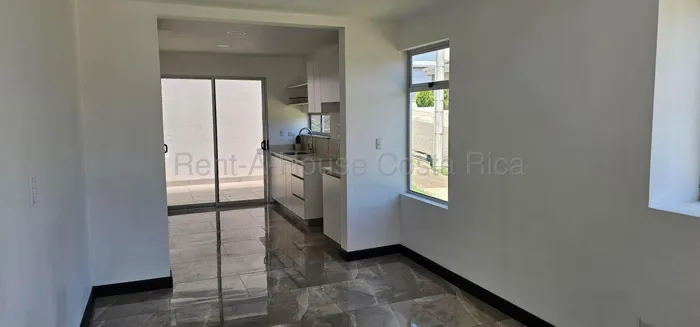
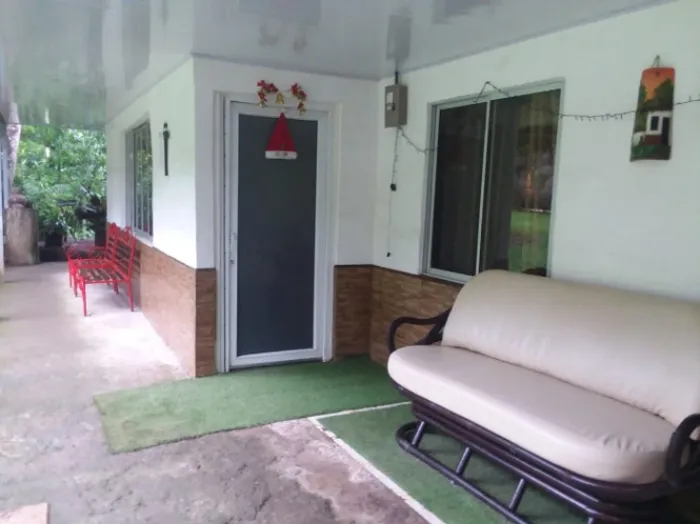
Over time, Turrúcares has stood out for its culture, which includes traditional festivities such as the patron saint celebrations in honor of San José, where the community gathers with music and dances. The architecture of the place reflects a blend of the old and the modern, preserving its rural essence. Today, Turrúcares offers a peaceful setting for those looking for properties.
Tips
- Drive the daily commute at different hours, including rush hour and weekends, before you decide.
- Ask about water and utilities for the specific property: who supplies them, whether service is steady and how the connection works.
- Request recent electricity and water bills to see real usage.
- If you rent, sign a written lease under Costa Rica's General Law of Urban and Suburban Leases (Law 7527).
- If you buy, have a lawyer check the title and plan at the National Registry.
- On Anuntico, you can save listings in the zone to compare them over time.
In summary
Living in Turrúcares, Alajuela, Costa Rica, is an ideal choice for those seeking a peaceful and accessible home. This charming place offers a rural environment with proximity to the city, allowing one to enjoy nature without giving up urban comforts. It is a rural, inland district of the canton of Alajuela, with farms, lots, houses and some commercial space. It makes most sense for buyers and renters who accept driving for errands and want more room than a city offers while staying within reach of the capital and the airport. Visit at different hours and in both seasons before you commit.