Quality of life
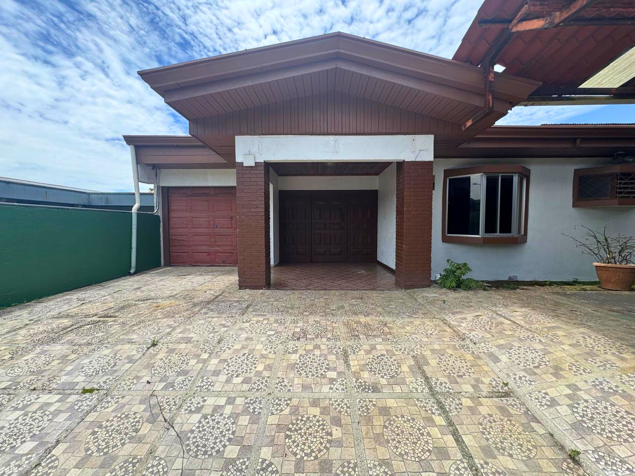
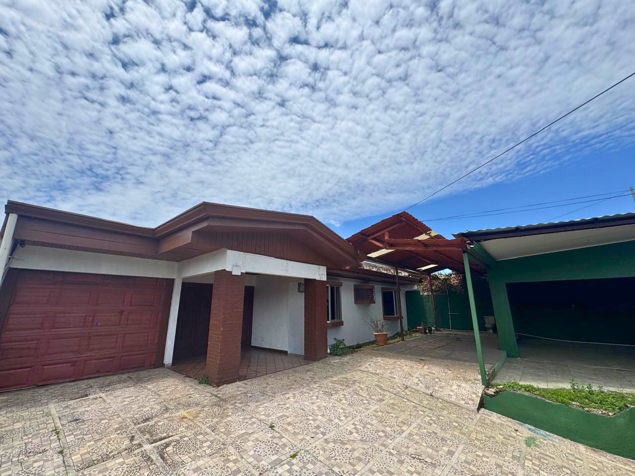
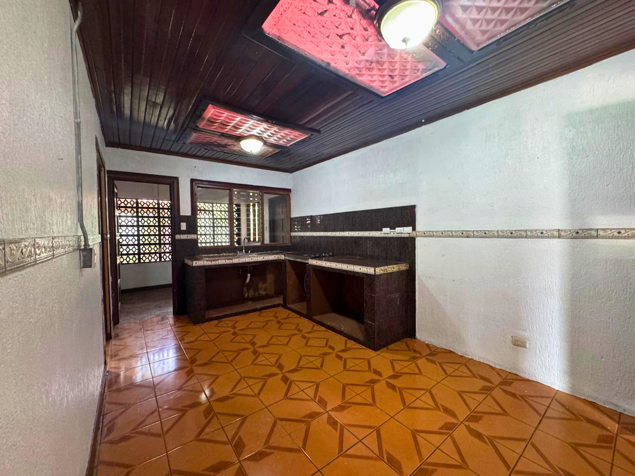
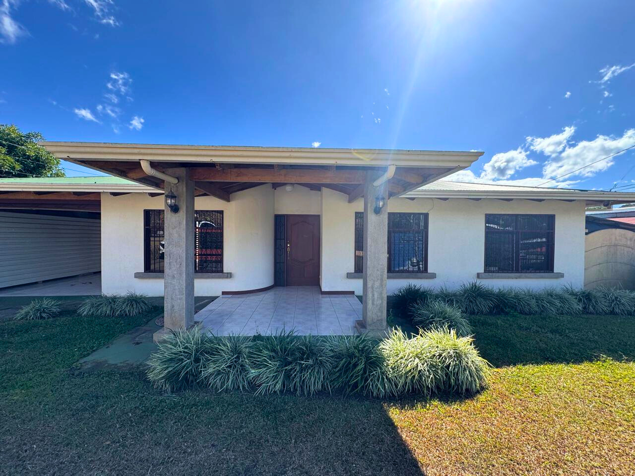
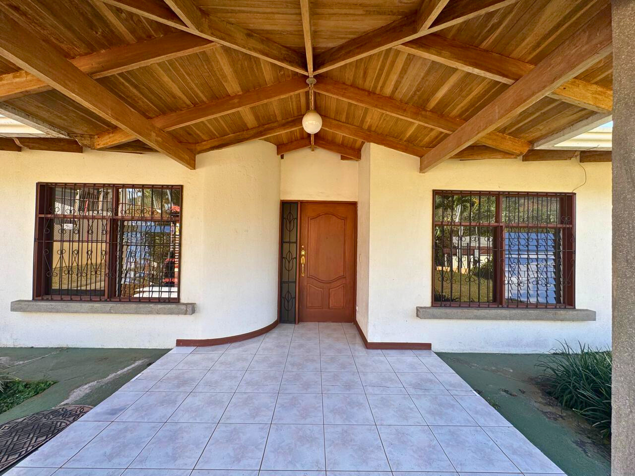
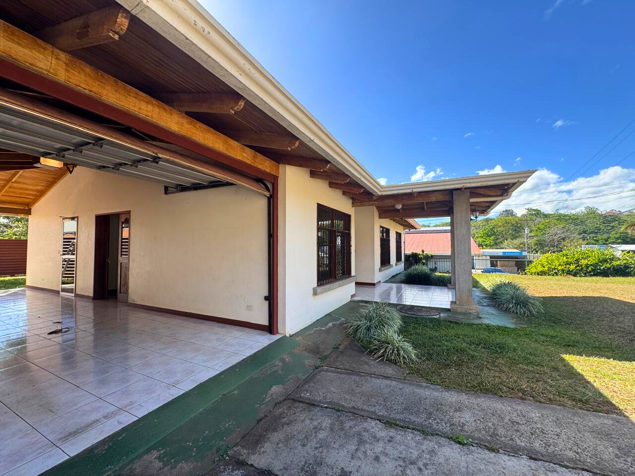
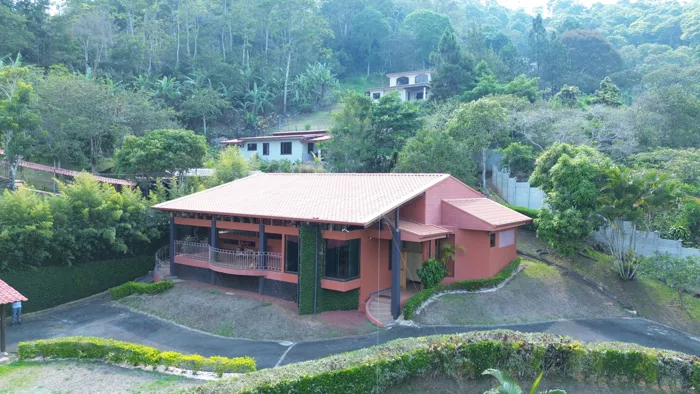
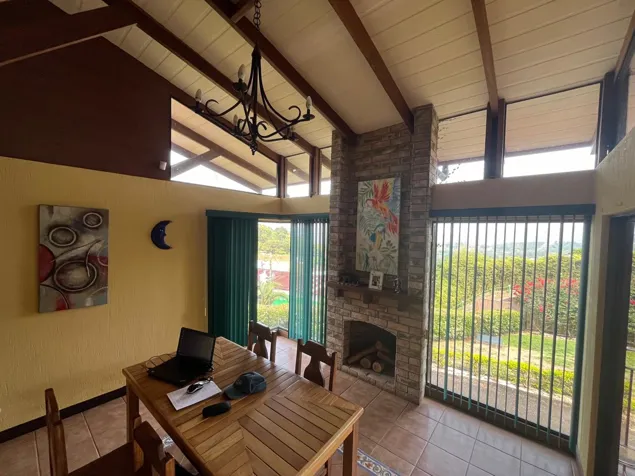
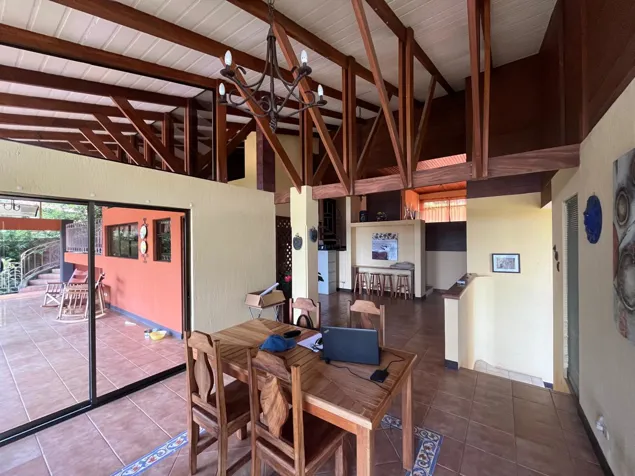
La Granja is a residential and farming district in the canton of Palmares, in a part of the country that is inland rather than coastal. Its area is small, so most of it is likely within a short distance of the next district. The pack shows houses, lots and land, and farms listed for sale, which points to a mix of homes and rural parcels.
Before moving, check the practical details of the specific street: how reliable the water supply is, whether the road is paved and passable in the rainy season, noise from traffic or farm activity, and how far you are from shops, clinics and schools. Visit more than once.
Cost of living
For most households housing is the main cost. In a district like this, the price of a house depends on the lot size, the condition of the building and how close it is to the main road, while farms and lots are priced on land and access.
Add the recurring items to your budget: electricity, water, internet and phone, daily transport or fuel, and, if you buy, the annual municipal property tax. Some homes sit in gated developments that charge monthly condo fees, so ask. When there are enough listings, this page shows above the typical rent and purchase figures for the zone, which is a better starting point than general estimates.
Advertisements
Lifestyle
Day to day, La Granja looks more rural and suburban than urban. It is not on the coast, and the listings include farms and lots, so expect a quieter setting with more land than in a city center. A car or motorbike is usually the practical way to get around in this kind of district.
For errands such as banking, municipal paperwork and larger grocery trips, residents can turn to Palmares, the canton seat, which is very close to the district. Other needs may take you to neighboring districts or towns, so plan routines around what is nearby.
Climate and nature
La Granja is not a coastal district. It lies in the interior of Alajuela province, and like most of the Central Valley and its surroundings, it follows a clear pattern of a dry season roughly from December to April and a rainy season for the rest of the year, with the heaviest rain usually in the later months.
Rainfall and humidity vary with the slope and exposure, so a property on higher or more open ground can feel different from one in a hollow. If you plan to farm or garden, ask neighbors how the seasons affect the specific plot.
Economy and opportunities
The economy of this part of Alajuela mixes farming, small businesses and services, with many residents working elsewhere in the Central Valley. The presence of farms among the listings suggests agriculture is still part of the local picture.
Being relatively close to the international airport helps if you travel often, while the distance to downtown San José is long enough that a daily commute there takes planning. Remote work, local business or jobs in nearby towns are the most realistic options. Check internet service at the property before relying on it for work.
Accessibility and location
La Granja is district number 7 of the canton of Palmares, in the province of Alajuela. Its postal code is 20707 and its area is 4.4 km² (1.7 sq mi). It borders San Rafael (canton of San Ramón), San Isidro (canton of San Ramón), Palmares, Zaragoza and Buenos Aires.
In a straight line, it is 1.8 km (1.1 mi) from Palmares, the canton seat, 43.5 km (27.0 mi) from downtown San José, and 27.1 km (16.8 mi) from Juan Santamaría International Airport (SJO). The official neighborhood, from Costa Rica's official territorial division (Decree 44882-MGP), is Amistad. Real travel time depends on the hour and the road.
History
La Granja, located in Palmares, Alajuela, Costa Rica, has undergone a remarkable evolution since its foundation in 1840, when it started as a small agricultural community. Over the years, it has maintained its traditions, such as the celebration of the Fiesta de la Virgen de los Angeles every August, which highlights the local culture.
Agriculture remains a fundamental part of its economy, but in recent decades, urban growth has attracted new residents, changing the area into a destination to live.
Tips
Before you commit, drive the daily commute at different hours, including rush hour and weekends, to see how the roads behave. Ask the owner or agent about water and electricity for the specific property, and request recent bills so you know what the real costs are.
If you rent, insist on a written lease under Costa Rica's General Law of Urban and Suburban Leases, Law 7527. If you buy, have a lawyer check the title at the National Registry. You can also save listings in the zone on Anuntico to compare options over time.
In summary
Living in La Granja, Palmares, Alajuela, Costa Rica, is an ideal choice for those looking to establish their home or invest. This charming place offers a tranquil and family-friendly environment, surrounded by nature, making it a perfect refuge to escape the urban hustle and bustle. La Granja is a small inland district of Palmares with a mix of houses, lots and farms. It makes the most sense for buyers who want a quieter, semi-rural base close to the canton seat and are comfortable driving for most needs. Those who depend on daily trips to San José should test that commute first.