Quality of life
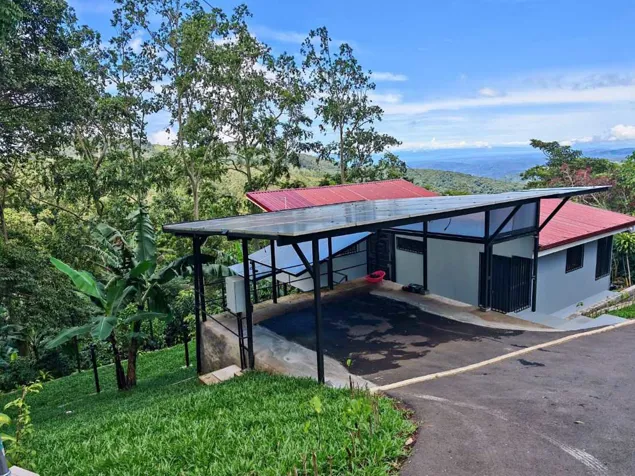
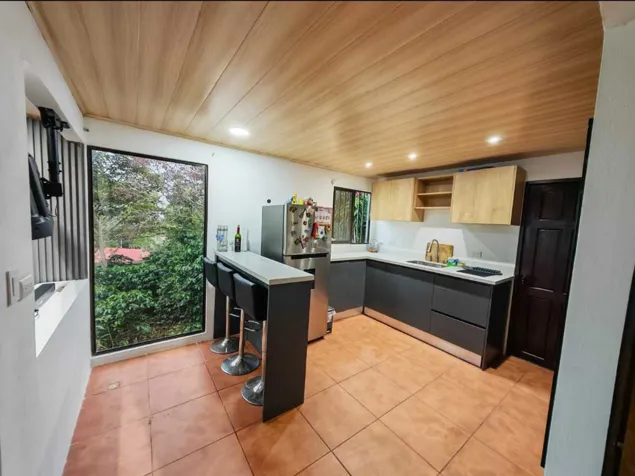
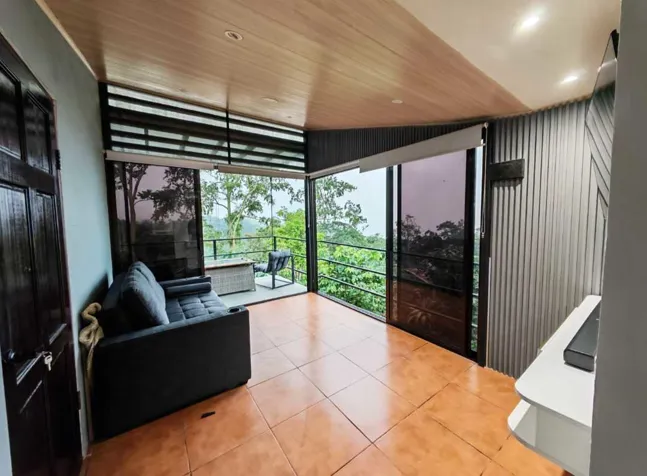
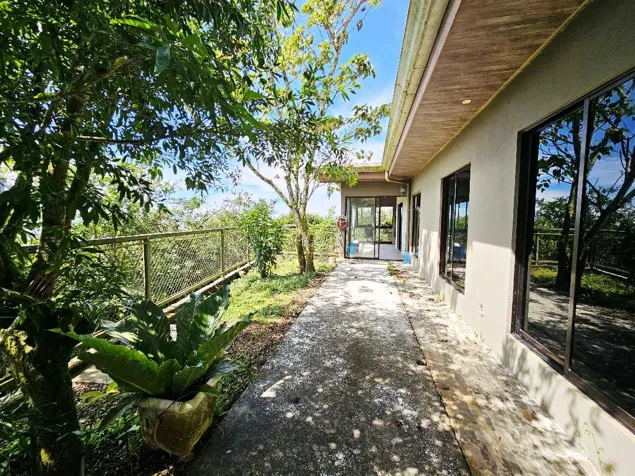
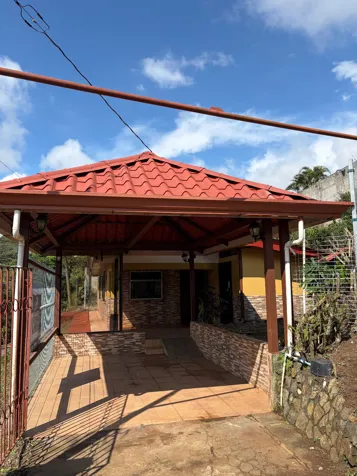
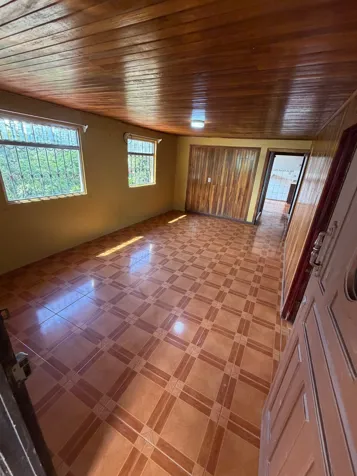
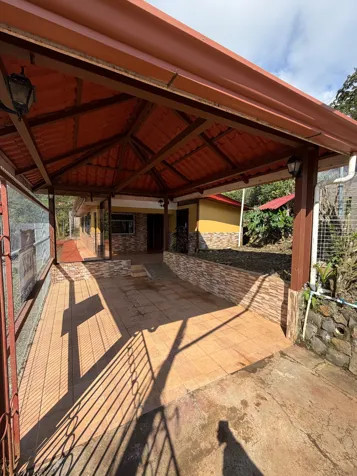
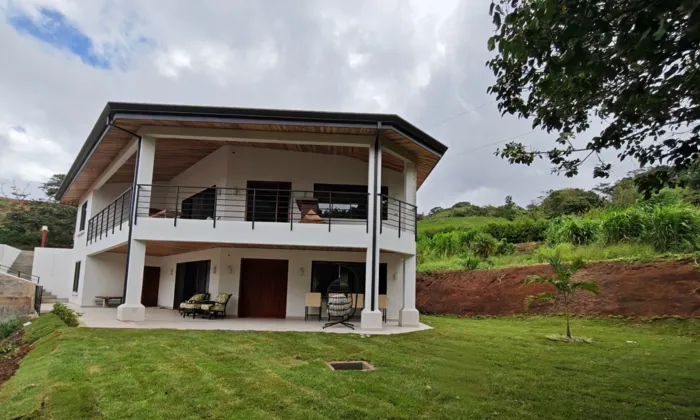
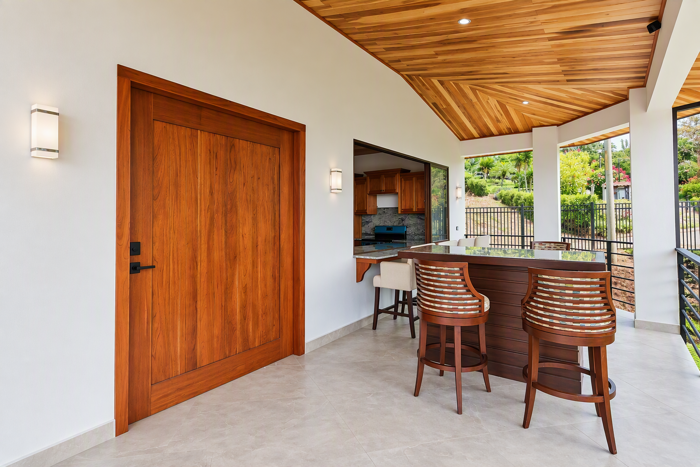
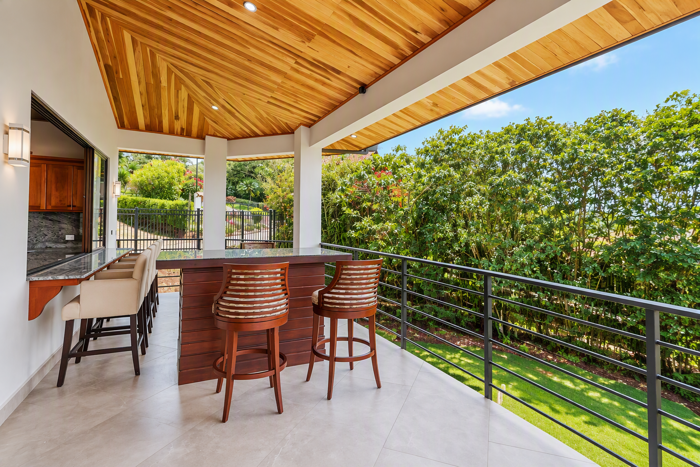
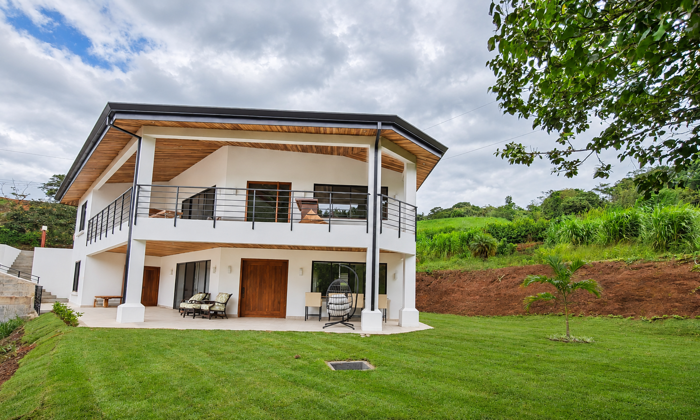
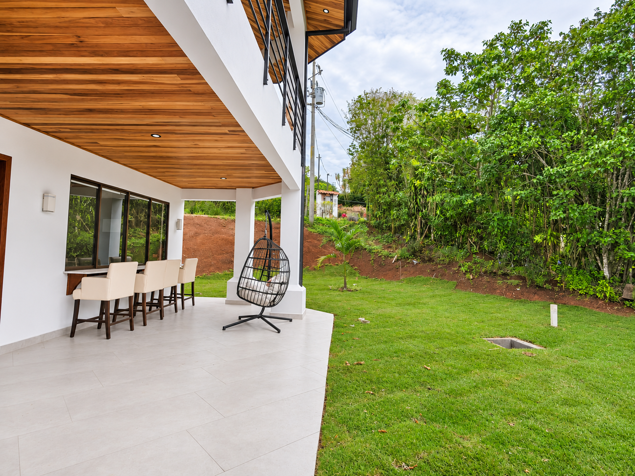
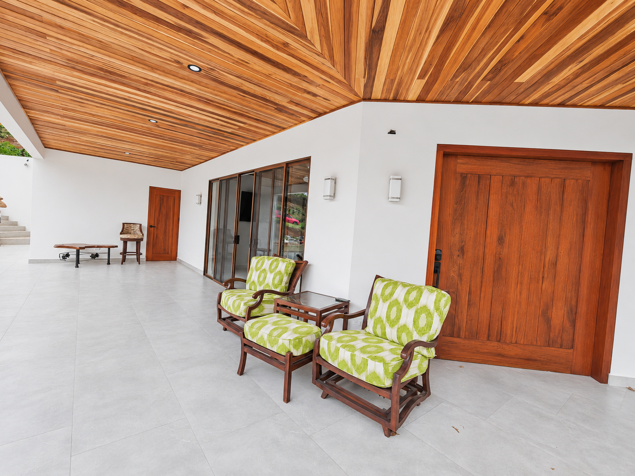
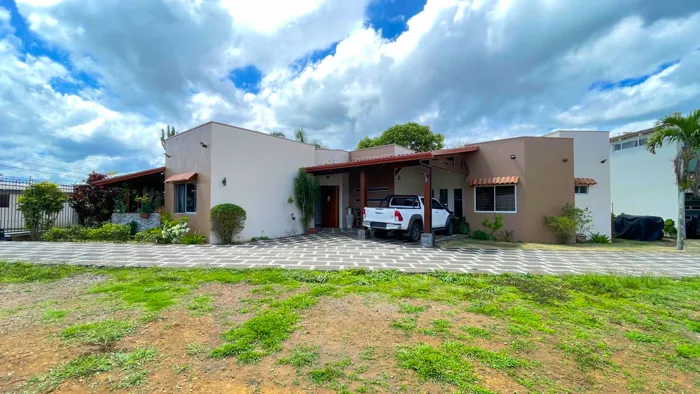
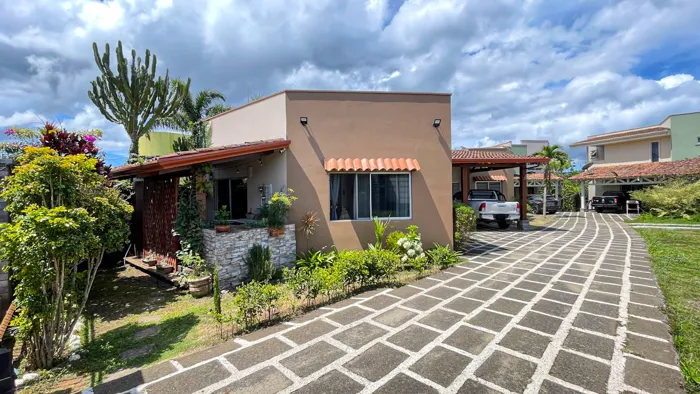
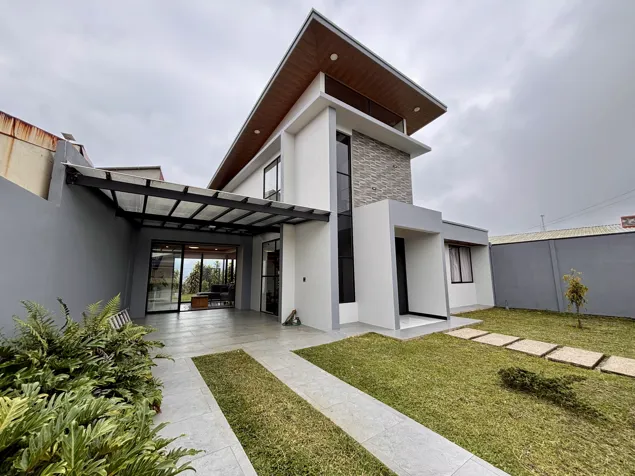
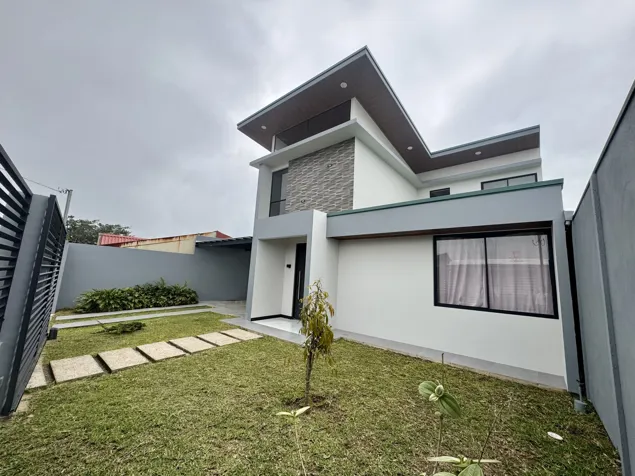
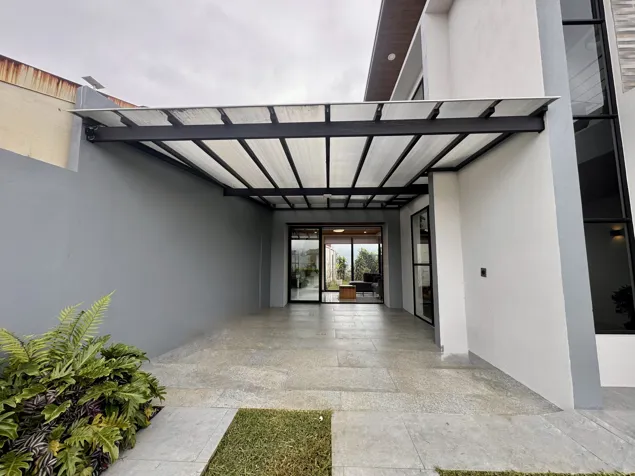
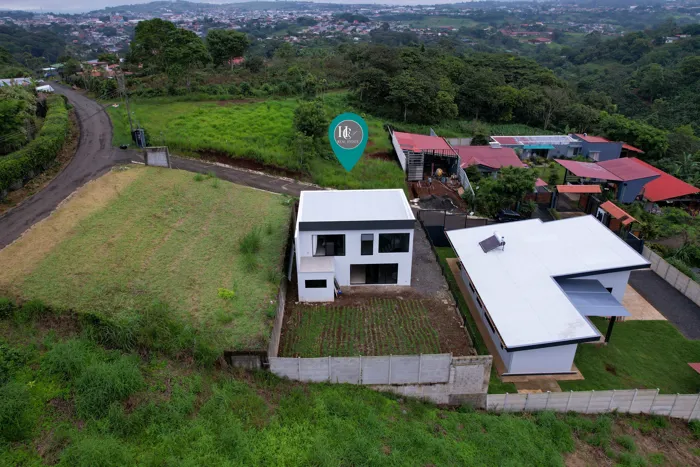
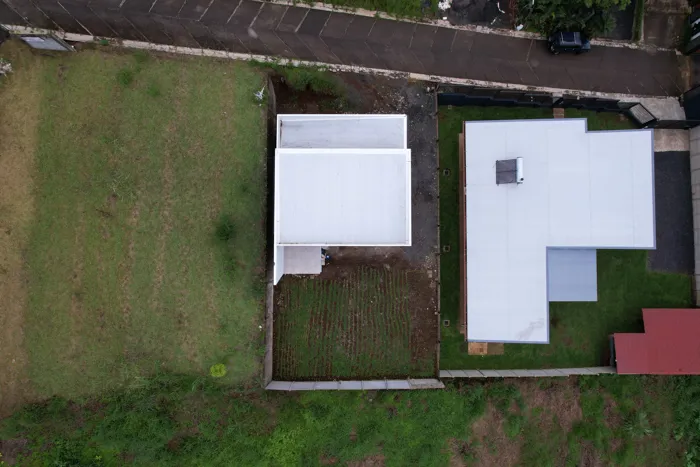
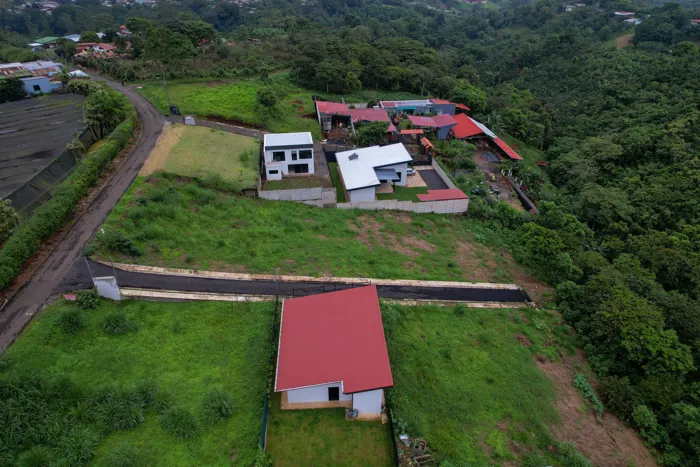
Santiago, San Ramón, Alajuela is a district of the canton of San Ramón, not the canton seat. It is not coastal, and with a sizable area it mixes spread-out rural land with small settlements. The pack shows houses, lots and land, and farms listed for sale, and houses for rent; no commercial properties are listed.
Before moving, check the surroundings in person: how far the nearest services are, whether the property has a reliable water supply, how much noise there is, and what the access road is like in the rainy season.
Cost of living
Housing is usually the biggest cost, and it varies with property type, size and how far a place is from the canton seat. In a district with farms and lots, land size can matter as much as the house itself.
Add to your budget electricity and water bills, internet and phone, daily transport or fuel, and the annual property tax if you buy. If the property is in a shared development, ask about condo fees. When there are enough listings, this page shows above the typical rent and purchase figures for the zone.
Lifestyle
Daily life here follows a rural pattern rather than an urban one. Homes, farms and small villages are spread across the district, so many errands mean traveling to the canton seat, which is close enough to be the natural base for shopping, paperwork and municipal matters handled through the Municipalidad de San Ramón.
A car is the practical choice for most households. Visit at different times of day and on weekends to see how the area really works for your routine.
Climate and nature
This is an inland district, not coastal. Like most of Costa Rica's Central Valley edge and Pacific-facing slopes, it has a dry season, roughly December to April, and a rainy season for the rest of the year, with the heaviest rain usually in the later months.
Conditions change with the slope: higher, more exposed areas tend to be cooler and wetter, while lower ones are warmer and drier. Visiting in both seasons helps you judge humidity, mud, and road conditions.
Economy and opportunities
The regional economy around San Ramón combines farming, services, commerce and some tourism. With farms and land listed in the district, agriculture is part of the local picture, though the pack gives no detail on specific activities.
For work or study, the metro area of San José and the international airport are within reach by road, which matters for commuters, remote workers who travel, and families with relatives visiting. Daily commuting to the capital is a longer trip, so many residents rely on jobs and services in the canton seat.
Accessibility and location
Santiago is district number 2 of the canton of San Ramón, in the province of Alajuela. Its postal code is 20202 and its area is 61.1 km² (23.6 sq mi).
It borders the districts of San Ramón, Piedades Sur, San Rafael, Alfaro, San Mateo (canton of San Mateo), Macacona (canton of Esparza) and San Rafael (canton of Esparza).
In a straight line, it is 8.4 km (5.2 mi) from San Ramón, the canton seat; 51.6 km (32.1 mi) from downtown San José; and 35.4 km (22.0 mi) from Juan Santamaría International Airport (SJO).
Costa Rica's official territorial division (Decree 44882-MGP) lists the neighborhoods Arias and Montserrat, and the villages Alto Salas, Alto Santiago, Angostura, Balboa, Cambronero, Constancia, Cuesta del Toro, Empalme, La Ese, León, Magallanes, Moncada and Río Jesús. Real travel time depends on the hour and the road.
Tips
Drive your expected daily commute at different hours, including rush hour and weekends, to see how long it really takes. Ask the owner or agent how water is supplied, whether the property has its own well or connects to a public or community system, and request recent electricity and water bills.
If you rent, insist on a written lease under Costa Rica's General Law of Urban and Suburban Leases, Law 7527. If you buy, check the property's records at the National Registry. You can also save listings in the zone on Anuntico to compare options over time.