Quality of life
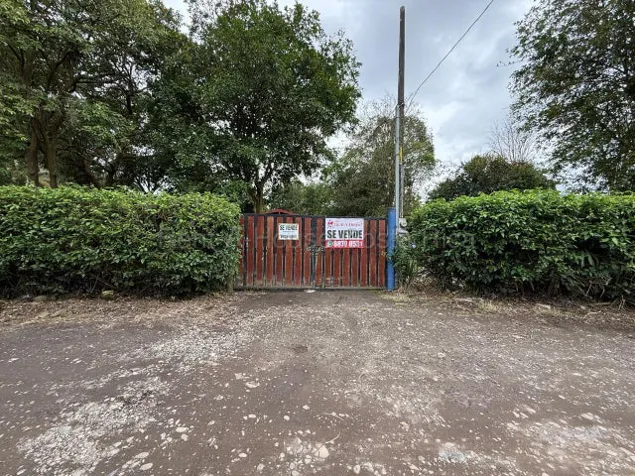
Santiago, Paraíso, Cartago is a rural-leaning district with a mid-sized area, and it is not the canton seat: that role belongs to Paraíso, which borders it. Its neighbors include districts in three other cantons, so the setting is a mix of town edges and farmland. For sale, the listings cover houses, lots and land, and farms.
Before moving, check the things that vary from one street to the next: whether the property has municipal water or a private supply, how noisy the nearest road is, the condition of the access road in the rainy season, and how far the closest pharmacy, clinic and grocery store really are.
Cost of living
Housing is the main cost driver here, whether you buy or rent. Beyond the price or monthly rent, build a budget that includes electricity, water, internet and phone, plus daily transport, since errands often mean traveling to the canton seat or to Cartago and San José.
If you buy, add the annual property tax paid through the municipality and any condo or shared-road fees if the property sits in a gated development. When there are enough listings, this page shows above the typical rent and purchase figures for the zone, which gives a starting point for comparison.
Advertisements
Lifestyle
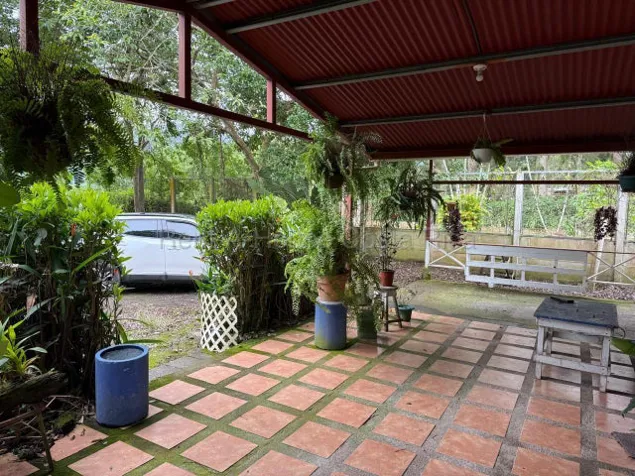
Daily life in this district leans rural, with farm lots and houses spread out and the pace set by agricultural work and local errands. Many residents rely on a car or on buses to reach bigger shops, banks and government offices, and the nearby canton seat is the natural place for those tasks.
Because the district has many small villages, the feel can change noticeably between one and the next. Visit at different times, including a weekend and a weekday evening, to see how much activity, traffic and noise to expect before you commit.
Climate and nature
Santiago is not coastal. It lies in the Cartago highlands of the Central Valley region, where the year divides into a drier season, roughly December to April, and a rainy season for the rest of the year. Highland areas are generally cooler than the lowlands and can be wetter, with frequent cloud and mist.
Slopes and nearby river valleys shape local conditions, so rainfall and humidity can differ between neighboring villages. If you are considering a lot or a farm, ask about drainage, soil stability and how the land behaves during heavy rains.
Economy and opportunities
The economy of this part of Cartago has traditionally combined farming and livestock with local commerce and services. Many people also work in the larger towns of the province or in the San José metro area, which is part of why the zone attracts those who want a quieter base.
Being relatively close to the capital makes commuting or hybrid work possible for some, though daily trips take planning. The distance to the international airport matters mainly for frequent travelers and for anyone who works with clients or family abroad. Study options are found in the larger nearby cities.
Accessibility and location
Santiago is district number 2 of the canton of Paraíso, in the province of Cartago. Its postal code is 30202 and its area is 25.6 km² (9.9 sq mi). The local authority is the Municipalidad de Paraíso.
It borders Paraíso, Cachí, Birrisito, Juan Viñas (canton of Jiménez), Cervantes (canton of Alvarado), Capellades (canton of Alvarado) and Cipreses (canton of Oreamuno). In a straight line, it is 5.6 km (3.5 mi) from the canton seat, Paraíso; 29.5 km (18.3 mi) from downtown San José; and 45.9 km (28.5 mi) from Juan Santamaría International Airport (SJO).
The official villages, from Costa Rica's territorial division (Decree 44882-MGP), are Acevedo, Ajenjal, Arrabará, Birrís, Cúscares, este, Flor, Lapuente, Mesas, Mesitas, Nueva Ujarrás, Pedregal, Piedra Azul, Puente Fajardo, Río Regado, Talolinga and Yas. Real travel time depends on the hour and the road.
History
The history of Santiago, located in the canton of Paraíso, Cartago, Costa Rica, dates back to its foundation in 1848, when it was established as an agricultural community. Over the years, Santiago has evolved into an important center for agricultural and livestock production, especially known for its coffee and sugar cane. Culturally, the place stands out for its religious traditions, such as the patron saint festivals in honor of Santiago Apóstol, which are celebrated in July and attract numerous visitors. Additionally, its proximity to the cities of Cartago and San José makes it appealing for those seeking a quiet lifestyle without straying far from urban comforts.
Tips
Drive the commute you would make every day, at rush hour and at midday, to see what it is like on the real roads. Ask the owner or agent how the property gets water and electricity, whether the supply is municipal or private, and request recent utility bills to see actual usage.
If you rent, sign a written lease under Costa Rica's General Law of Urban and Suburban Leases, Law 7527. If you buy, have a lawyer check the title at the National Registry. You can also save listings in this zone on Anuntico to compare options over time.
In summary
Living in Santiago, located in the beautiful province of Cartago, Costa Rica, is an ideal choice for those looking to establish their home or make an investment. Santiago, Paraíso, Cartago is a rural district of farmland and small villages, within reach of Paraíso, Cartago and the capital region. It makes the most sense for buyers looking for houses, land or farms who accept a car-dependent routine and a highland climate. Visit in different seasons and verify water, access and title before deciding.