
How to ensure a smooth shopping experience when purchasing your home

Acquiring your home is one of the most important and exciting decisions of your life, but it can also be an overwhelming process if you are not prepared. In this article, we provide you with an essential checklist that will help ensure a smooth and hassle-free buying experience. From the initial search to signing the contract, every step matters. Get ready to make informed decisions and enjoy the journey to your new home with complete confidence.
Define your budget: Key to starting the process
Defining your budget is the first crucial step in the home buying process. Before you start looking for properties and dreaming about ideal spaces, it is essential to be clear about how much you are willing to spend. This not only includes the price of the home but also other associated costs such as taxes, insurance, closing costs, and potential renovations. Setting a realistic budget will allow you to filter suitable options from the beginning and will prevent you from falling in love with a house that is out of your financial reach.
When defining your budget, consider your monthly income and expenses to determine how much you can allocate to the mortgage without compromising your quality of life. It is advisable to include a margin for unforeseen circumstances that may arise during the process or after you have moved in. Once you have a clear number in mind, you can approach each stage of the process with greater confidence, knowing that your decisions are aligned with your economic possibilities. Remember that an informed purchase is the key to ensuring a smooth and satisfying experience when acquiring your new home.
Advertisements
Research the local real estate market: Know your options
Researching the local real estate market is a fundamental step on your journey to acquiring a home. Before you start looking for houses or apartments, it is crucial that you familiarize yourself with the area where you want to buy. This means knowing the average prices per square meter, market trends, and the characteristics of different neighborhoods. By doing this, you can set a realistic budget and avoid unpleasant surprises later on. Additionally, this information will allow you to identify opportunities and negotiate better when you find the property that meets your needs.
You should not only focus on financial aspects; it is also important to consider factors such as the quality of life in the chosen area. Research nearby schools, public services, transportation, and safety. Understanding these dynamics will not only help you make an informed decision but will also influence the future value of your investment. Knowing your options within the local real estate market will give you confidence when choosing your new home and ensure that it is a place where you want to live for many years.
Select a reliable real estate agent: Your ally in the purchase
When searching for the perfect property, having a reliable real estate agent can transform your buying experience. This professional not only acts as an intermediary but also becomes an essential ally in the process. A good agent has local market knowledge, which will allow you to access properties that may not be publicly available and will help you understand the true value of the options you are considering. Furthermore, their expertise will guide you through complex negotiations and legal aspects, ensuring that every detail is covered to avoid unpleasant surprises.
The selection of a real estate agent should be based on criteria such as their reputation, experience, and customer approach. It is advisable to research reviews and previous references, as well as to have an initial conversation to assess their understanding of your needs and expectations. Remember that this is an important relationship; your agent should be someone you trust completely and feel comfortable sharing your concerns with. With the right support, you will be able to navigate the buying process with greater peace of mind and security, thus facilitating the realization of one of the most important dreams: having your own home.
Conduct visits and evaluations: The importance of seeing every detail
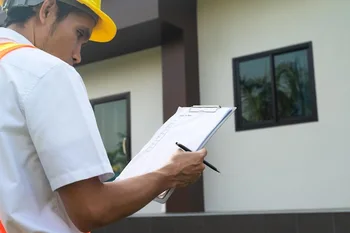
Making visits and evaluations is a crucial step in the home-buying process. It’s not just about seeing the house from the outside; every corner tells a story that can influence your final decision. During visits, you can observe details that photos do not capture, such as the condition of the garden, the quality of the materials used in the construction, and even the atmosphere of the neighborhood. It’s also the perfect opportunity to notice smells or sounds that could affect your daily comfort. Every small detail can make a big difference in your future experience in that home.
Additionally, conducting thorough evaluations allows you to identify potential structural issues or maintenance needs that may not be evident at first glance. Having a professional inspector assess the property can save you from unpleasant surprises and unexpected expenses in the long run. This step not only provides you with security about what you are purchasing but also gives you the confidence needed to negotiate more favorable terms with the seller. Ultimately, investing time in visiting and evaluating every detail of your future home is essential to ensure you make an informed and satisfactory decision.
Review legal documents: Protect your investment from the start.
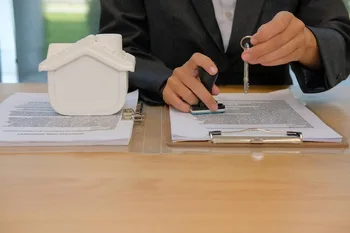
Reviewing legal documents is a fundamental step in the home buying process that should not be underestimated. From the purchase agreement to the verification of the property's ownership, each document contains crucial information about your future property. Make sure to read each clause carefully and understand the terms before signing. If necessary, don't hesitate to consult a real estate lawyer who can guide you and clarify any questions you may have, thus protecting your investment from the outset and avoiding unpleasant surprises in the future.
Additionally, make sure that all permits and licenses are in order. This includes ensuring that the property complies with local regulations and that there are no liens or encumbrances that could jeopardize your investment. A small oversight can lead to significant problems later on, so taking the time to review these legal aspects will allow you to fully enjoy your new home without worries. Peace of mind knowing that everything is in order is invaluable and is an essential part of a successful buying experience.
Consider financing: Options that fit your needs
When considering the purchase of a home, financing is a crucial aspect that can significantly influence your buying experience. There are various financing options available, such as conventional mortgages, FHA loans, and first-time homebuyer assistance programs. It is essential to research and compare interest rates, terms, and conditions offered by different financial institutions. Additionally, do not forget to take into account your own financial circumstances; this will help you determine which option is most suitable for you and allow you to establish a realistic budget that meets your needs.
Utilizing tools like mortgage simulators or consulting with a financial advisor can make understanding the process easier. Choosing the right type of financing not only impacts your ability to acquire the desired home but also your long-term financial stability. Remember that each option has its advantages and disadvantages; therefore, take the necessary time to evaluate all alternatives before making a final decision. With a well-planned approach to financing, you can ensure a smooth purchasing experience without unpleasant surprises on the way to your new home.
Negotiate the price: Strategies to get the best deal
Negotiating the price of a property may seem like a daunting task, but with the right strategies, you can secure the best possible deal. First, it is essential to conduct thorough research on the real estate market in the area you are interested in. This includes analyzing the prices of similar properties and understanding how long they have been on the market. Having concrete information will allow you to support your proposal and demonstrate to the seller that you are well-informed and that your offer is reasonable. Additionally, do not hesitate to ask questions about the property; understanding the reasons behind the sale can give you an advantage in negotiations.
Another effective strategy is to show flexibility in the purchasing conditions. Sometimes, sellers are more willing to negotiate the price if they can close quickly or if you offer certain concessions, such as a temporary post-sale lease. It is also helpful to maintain a cordial and professional attitude throughout the process; building a good relationship with the seller can facilitate negotiation. Finally, consider having an experienced real estate agent who can guide you and help you present your offers effectively, thus ensuring that you get the best option within your financial means.
Property inspection: Avoid unpleasant surprises
The property inspection is a crucial step in the buying process that should not be overlooked. Often, buyers get so excited about their new acquisition that they may skip this stage, which can lead to unpleasant surprises in the future. A professional inspection will allow you to identify potential structural, plumbing, or electrical issues before closing the deal. This not only gives you the opportunity to renegotiate the price if significant defects are found but also provides peace of mind knowing that your investment is protected and that you are making an informed decision.
Additionally, conducting a detailed inspection can also reveal positive aspects about the property that you may not have considered. For example, you might discover recent installations or improvements made by the previous owner that add value to your home. The information obtained during this evaluation can be invaluable when planning future renovations or repairs, ensuring that every corner of your new home meets your expectations and needs. In summary, investing time and resources in a good inspection is essential to avoid unwanted surprises and ensure a smooth and satisfying purchasing experience.
Moving preparations: Organize your transition to the new home
When the moving day arrives, it is essential to organize every aspect of this process to ensure a smooth and stress-free transition. Start by making a detailed inventory of your belongings: sort what you want to take, donate, or sell. This will not only help you reduce the amount of items you will be moving, but it will also give you a better idea of the available space in your new home. Use labeled boxes and be sure to include a list of the contents in each one; this will make unpacking easier and allow you to quickly find what you need upon arrival.
Also, establish a realistic timeline for your move. Assign specific tasks to each day or week leading up to the moving date, such as hiring a moving company, notifying utilities about the change of address, and updating your information with your bank accounts. Also, consider setting aside time to visit your new neighborhood and identify key places like supermarkets, pharmacies, and medical centers. Proper planning will ensure everything goes more smoothly, allowing you to focus on enjoying this new phase without unnecessary setbacks.
Advertisements
More in Checklist
Buying Process, Checklist
Tips for ensuring a successful closing on your home purchase

Buying Process, Checklist
Tips for choosing the perfect location when buying your home

Buying Process, Checklist
Tips for ensuring clarity in the purchase of your ideal home

Buying Process, Checklist
Tips for a home purchase that promotes your well-being
Most viewed in Buying Process

Buying Process, Legal Verification
Fundamental Aspects to Ensure Your Real Estate Purchase
Buying Process, Legal Verification
Legal Aspects That Boost Your Confidence When Buying Properties

Buying Process, Advice
Tips for choosing the ideal property without complications

Buying Process, Common Mistakes
Mistakes That Can Frustrate Your Purchase in La Fortuna