
Crucial aspects to ensure your ideal home purchase

Securing the purchase of your ideal home is a fundamental step towards stability and family well-being. In this article, we will present a practical checklist that will allow you to evaluate every crucial aspect before taking that important step. From location to financing conditions, every detail matters to ensure that your investment is the right one. Get ready to make informed decisions and make the dream of having your own home a reality.
Define your needs and priorities: What are you really looking for in your new home?
Defining your needs and priorities is the first essential step in the process of searching for your ideal home. Before diving into the exploration of the real estate market, it is crucial that you take some time to reflect on what you truly value in a home. Consider aspects such as size, layout, and the number of rooms you need. Also think about the lifestyle you lead: do you prefer a single-family house with a garden or an apartment in a central building? Identifying your needs will allow you to filter options and focus on those properties that truly align with your vision.
Another aspect to consider is the priorities related to location and nearby amenities. Ask yourself if you need to be close to schools, workplaces, public transportation, or recreational areas. Proximity to these services can significantly influence your daily quality of life. Additionally, evaluate whether you prefer a quiet residential area or a more dynamic urban environment. By establishing these priorities from the beginning, you will be able to make more informed decisions and avoid potential long-term regrets regarding your housing choice.
Advertisements
Real estate market research: Keys to understanding current trends.
Real estate market research is an essential tool for any buyer looking to make informed decisions. Understanding current trends in the sector will not only help you identify opportunities but also allow you to anticipate price movements and market behaviors. It is crucial to investigate aspects such as supply and demand in the area of interest, as well as average prices per square meter. Additionally, analyzing the historical evolution of these values can provide insight into whether you are buying at an appropriate time or if it would be wiser to wait.
Another key aspect of this research is to consider urban development and future plans for the locality. Infrastructure projects, such as new public transportation lines or shopping centers, can significantly influence property values in the long term. Additionally, being aware of government policies related to housing can also affect your decision; tax incentives or changes in regulations can make certain areas more attractive for living and investing. With all this information at your disposal, you will be better prepared to evaluate options and ensure that your purchase is truly a solid and beneficial investment for you and your family.
Financial assessment: How to calculate your budget without surprises.
To avoid unpleasant surprises in your home purchase, it is essential to conduct a thorough financial assessment. Start by determining your realistic payment capacity, which includes not only the property price but also associated costs such as taxes, insurance, and maintenance expenses. Use online mortgage calculators to estimate the monthly payment you will need to make and ensure it fits within your current budget. Remember to include an additional margin for unexpected events; this will allow you to better manage any eventuality without compromising your finances.
Also, set a clear budget that includes all expenses related to the purchase. When calculating the total amount needed, consider aspects such as the down payment, closing costs, and realtor fees. Don't forget to review your monthly income and expenses to ensure that you can meet long-term financial obligations. Proper planning will give you the confidence you need to proceed with the process of acquiring your ideal home without fear of facing unexpected economic difficulties in the future.
Property inspection: Aspects to consider before buying.
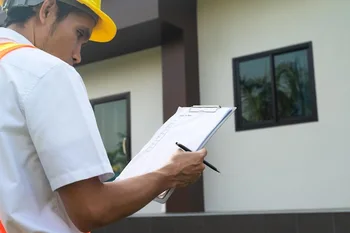
The property inspection is an essential step that should not be overlooked before acquiring a home. This process involves evaluating the physical condition of the house, identifying potential structural, plumbing, electrical, or HVAC system issues. It is advisable to hire a professional inspector with experience who can provide a detailed report on the condition of the property. An unexpected finding such as mold, leaks, or foundation problems can mean significant expenses in the future, making it crucial to address these issues before finalizing the purchase.
In addition to technical aspects, it is also important to consider aesthetic and functional factors during the inspection. Observe the overall design, the layout of the spaces, and whether it meets your family needs. Also, check the exterior areas, such as the garden or garage, as their maintenance can influence your final decision. Do not hesitate to ask the seller about any relevant details that may affect your quality of life in that home. A thorough inspection will not only help you avoid unpleasant surprises after the purchase, but it will also allow you to negotiate more favorable conditions if issues are identified during this process.
Required documentation: All the paperwork you need to have ready.
One of the most important steps in the home buying process is having the proper documentation. This will not only allow you to advance in negotiations, but it is also essential to meet the necessary legal and financial requirements. Among the most relevant documents are official identification, proof of income, and bank statements. Additionally, if you are purchasing a property through a mortgage loan, you will need to have pre-approval letters and information about your credit history ready. Having all this documentation organized will facilitate the process and help you avoid setbacks.
Additionally, it is crucial to gather all the paperwork related to the property you wish to acquire. This includes the title deed, receipts for property tax payments, and any document that certifies the legality of the property, such as cadastral certificates or architectural plans. It is also advisable to request a report on the legal status of the property to verify that there are no encumbrances or pending issues. Having all this information will not only provide you with peace of mind during the process, but will also strengthen your position when negotiating favorable terms in the purchase of your ideal home.
Choosing the right real estate agent: Tips for finding your perfect ally.
Choosing the right real estate agent is one of the most important decisions you will make in the process of buying your home. A good agent will not only guide you through the complex world of the real estate market but will also understand your needs and preferences, helping you find the property that truly fits your lifestyle. To start, research local agents with a good reputation and experience in the area where you want to buy. Online reviews and recommendations from friends or family can be a good starting point to identify the most reliable professionals.
Once you have a list of potential agents, feel free to interview them to assess their market knowledge and their ability to communicate with you. Ask about their previous experiences, how they handle negotiations, and what strategies they use to find suitable properties. Additionally, make sure they are familiar with the specific type of home you are looking for, whether it's a single-family home, an apartment, or a property in development. Remember that a good agent should be someone you feel comfortable working with throughout the process; their support can make the difference between a successful purchase and one filled with inconveniences.
Smart Negotiation: Strategies for Closing the Deal Favorably.
Smart negotiation is an art that can make the difference between closing a favorable deal or losing a valuable opportunity. When starting the process of buying your ideal home, it is essential to be prepared to negotiate not only the price but also other aspects such as contract conditions, closing date, and any necessary repairs. Research the local real estate market to gather information on similar properties and their prices; this will provide you with a solid foundation to argue your position. Additionally, consider establishing a price range instead of a fixed limit, which will allow you flexibility during negotiations.
Another key aspect of negotiation is knowing when to be firm and when to yield. Listening carefully to the seller or real estate agent can reveal weaknesses in their offer that you can leverage to your advantage. Remember that negotiation is not just about winning, but also about building a positive relationship with the other party; this can facilitate more favorable agreements for both sides. Maintain a professional and respectful attitude throughout the process, which will help create an environment conducive to closing the deal that secures your purchase and meets all your expectations.
Advertisements
More in Checklist
Buying Process, Checklist
Tips for ensuring a successful closing on your home purchase

Buying Process, Checklist
Tips for choosing the perfect location when buying your home

Buying Process, Checklist
Tips for ensuring clarity in the purchase of your ideal home

Buying Process, Checklist
Tips for a home purchase that promotes your well-being
Most viewed in Buying Process

Buying Process, Legal Verification
Fundamental Aspects to Ensure Your Real Estate Purchase

Buying Process, Legal Verification
Legal Aspects That Boost Your Confidence When Buying Properties

Buying Process, Advice
Tips for choosing the ideal property without complications

Buying Process, Common Mistakes
Mistakes That Can Frustrate Your Purchase in La Fortuna