
How to ensure a home purchase that meets your expectations
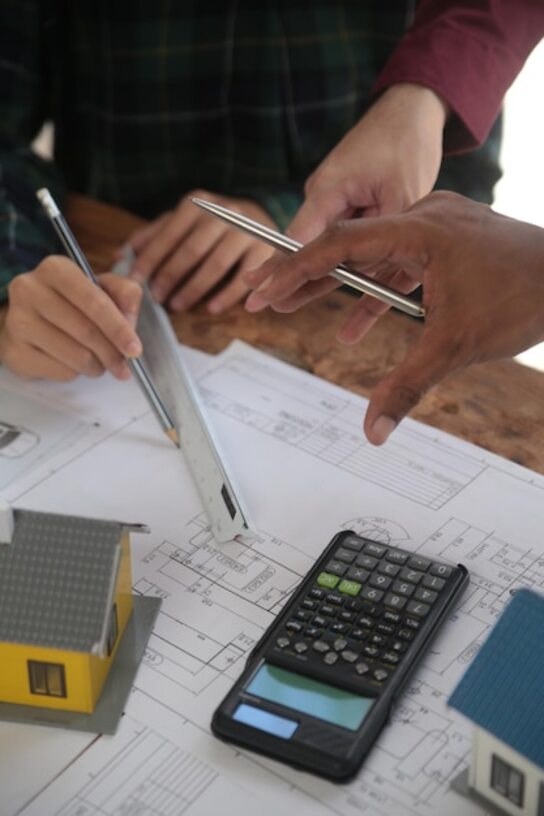
Ensuring a home purchase that meets your expectations is essential to avoid unpleasant surprises and guarantee that your investment is worthwhile. In this article, we provide a detailed checklist that will guide you through each step of the buying process, from the initial search to signing the contract. With our expertise as Costa Rican professionals in the field, you will learn how to make informed decisions that align with your needs and desires, thus ensuring a home where you truly want to live.
Define your needs and priorities: What are you looking for in your new home?
When embarking on the search for a new home, it is essential to first define your needs and priorities. Take some time to reflect on what you are really looking for in a home. Ask yourself if you need more space for a growing family, if you prefer to live close to your workplace, or if you value proximity to schools and services. Also consider aspects such as the number of bedrooms, the layout of the spaces, and additional features you would like to have, such as a garden or a terrace. Having clarity on these points will allow you to filter options from the start and you will avoid wasting time on properties that do not align with your expectations.
Also, do not underestimate the importance of setting a realistic budget. Defining how much you are willing to spend not only includes the purchase price but also other associated expenses such as taxes, maintenance, and utilities. By considering your financial priorities alongside your housing desires, you will be able to make more informed decisions. This will help you quickly identify those properties that fit your economic and personal situation, ensuring that you find a home where you can fully enjoy without compromising your financial stability.
Advertisements
Set a realistic budget: Consider all the costs involved.
Establishing a realistic budget is a crucial step in the home buying process, as it will give you a clear view of what you can actually afford. It's not just about the sale price of the property, but you must consider all the costs involved in the transaction. This includes taxes, legal fees, closing costs, and potential repairs or necessary renovations. Having a detailed breakdown of these expenses will help you avoid financial surprises and ensure that your investment aligns with your expectations.
It is also essential to consider the recurring costs associated with homeownership. This includes everything from the monthly mortgage payment to utilities, insurance, and regular home maintenance. When creating your budget, make sure to include a buffer for unforeseen events or emergencies that may arise after the purchase. A comprehensive approach will allow you not only to acquire the right house but also to enjoy it without jeopardizing your long-term financial stability.
Research the local real estate market: Understand current trends and prices.
Researching the local real estate market is a crucial step to ensure that your home purchase meets your expectations. Before diving into the search, it is essential to understand the current trends in your area of interest. This includes knowing the average price per square meter, the growing areas, and those neighborhoods that offer a good quality of life. Market fluctuations can influence the value of your future property, so being aware of these variables will allow you to make an informed and strategic choice.
Additionally, don't forget to consider factors such as supply and demand in the region. If there are many properties available, you may have more options and negotiate better prices; however, if demand exceeds supply, you may face competition for the desired homes. Furthermore, analyzing how properties are appreciating over time will help you anticipate whether your investment will grow or decrease over the years. With this information in hand, you will be able to make more informed decisions that align with your expectations and family needs.
Visit multiple properties: Comparison is key to finding the best option.
Visiting multiple properties is a crucial step in the home buying process, as it allows you to compare different options and assess which one best fits your needs. By touring various houses or apartments, you will be able to observe not only the physical features of each property but also their surroundings and the quality of life they offer. It is advisable to make a list of important criteria, such as size, layout, nearby amenities, and neighborhood safety. This comparison will help you gain a clearer perspective on what you truly want and need in your new home.
In addition to facilitating the comparison between different properties, visiting several homes gives you the opportunity to notice details that may go unnoticed in photographs or online descriptions. Certain aspects such as the overall condition of maintenance, external noises, or even natural lighting are more evident when you are physically present. Don't hesitate to ask questions to the owners or real estate agents during these visits; obtaining direct information can be crucial to avoid surprises after making your purchase. Remember that your home should be a place where you feel comfortable and happy, so taking time for this stage of the process is essential to ensure a wise choice.
Evaluate the condition of the property: Inspections you should not overlook.
When you are in the process of buying a home, it is crucial to thoroughly assess the condition of the property. Inspections are an essential part of this analysis, as they allow you to identify hidden issues that could turn into costly surprises after the purchase. From examining the structure of the building to detecting leaks or electrical problems, every aspect matters. Don't settle for a simple glance; consider hiring a professional inspector who can provide you with a detailed report on the overall condition of the home and any necessary repairs. This will not only save you money and time but also give you greater confidence in your decision.
It is also important to consider aspects such as the plumbing system, heating, and air conditioning, as well as any potential issues related to pests or mold. Be sure to ask the seller about the maintenance history and whether any major repairs have been made recently. By knowing these details, you will be able to better negotiate the terms of the contract or even reconsider your offer if you find that repair costs are too high. A safe and well-maintained home is essential to fully enjoy the space you are about to acquire, so spare no effort in ensuring that your future home is in optimal condition.
Consult a trusted real estate agent: An expert can make the difference.
Consulting a trusted real estate agent is an essential step in the home buying process. These professionals not only have a deep understanding of the local market but are also trained to understand your specific needs and expectations. A good agent can provide you with valuable information about neighborhood trends, school quality, and other factors that may influence your decision. Additionally, their experience allows them to identify properties that fit your budget and requirements, helping you avoid potential pitfalls or common mistakes that inexperienced buyers often make.
The difference a real estate agent can make goes beyond simply searching for properties. Their ability to negotiate on your behalf can result in significant savings when closing the deal. They will also guide you through the complex legal and administrative process, ensuring that all documents are in order and comply with relevant regulations. Ultimately, having an expert by your side not only simplifies the procedure, but also provides you with peace of mind, knowing that you are making informed decisions to secure a purchase that meets your long-term expectations.
Review legal documents and financing: Make sure to understand all the terms.
When buying a home, one of the most critical steps is to carefully review the legal documents and the associated financing. Before signing any contract, it is essential that you understand all the terms and conditions that may affect your future property. This includes reading deeds, purchase agreements, and any documents related to mortgages or loans. If there are clauses that you do not fully understand, do not hesitate to consult a real estate attorney. This advice can prevent misunderstandings that could be costly in the long run.
In addition to the legal aspects, it is crucial to evaluate the available financing options. Learn about interest rates, loan terms, and possible additional fees. Make sure to compare different financial institutions to find the offer that best fits your financial situation. Remember to consider not only the monthly amount you will have to pay but also the total impact of the loan over time. Taking the time to understand these elements will help you make more informed decisions aligned with your financial and personal expectations when securing your new home.
Take your time before deciding: Patience can lead you to better outcomes.
Taking the necessary time before making a decision about purchasing a home is a crucial step that is often overlooked. The excitement of the process can lead you to act impulsively, but remember that acquiring a home is a significant and lasting investment. Taking time to research different options, visit various properties, and evaluate every aspect will give you a clearer view of what you truly want and need in your new house. This thoughtful approach will not only help you avoid future regrets but will also give you the confidence to make an informed choice.
Patience in the buying process can also open doors to unexpected opportunities. Sometimes, waiting a little longer can allow you to discover new deals in the market or even secure better financing conditions. Remember that, while it may seem tempting to rush, each additional day spent evaluating your options increases the chances of finding that perfect property that fits exactly with your expectations. Ultimately, taking your time not only improves the quality of your decision but also ensures that you are investing in a place where you truly want to live and build meaningful memories.
Advertisements
More in Checklist
Buying Process, Checklist
Tips for ensuring a successful closing on your home purchase

Buying Process, Checklist
Tips for choosing the perfect location when buying your home

Buying Process, Checklist
Tips for ensuring clarity in the purchase of your ideal home

Buying Process, Checklist
Tips for a home purchase that promotes your well-being
Most viewed in Buying Process

Buying Process, Legal Verification
Fundamental Aspects to Ensure Your Real Estate Purchase
Buying Process, Legal Verification
Legal Aspects That Boost Your Confidence When Buying Properties

Buying Process, Advice
Tips for choosing the ideal property without complications

Buying Process, Common Mistakes
Mistakes That Can Frustrate Your Purchase in La Fortuna