
Tips for navigating the process of buying your new home

Save the articles and properties you like so you always have them at hand.
Create a free account
Navigating the process of buying your new home can be both exciting and overwhelming at the same time. With so many decisions to make, it is crucial to have a clear guide to help you avoid costly mistakes. In this article, we will provide you with a practical and effective checklist that will allow you to organize every step of the way toward acquiring your ideal home in Costa Rica. From the initial search to signing the contract, these tips will give you the confidence needed to make informed decisions and fully enjoy this unique experience.
1. Define your budget and financing.
When starting the process of purchasing your new home, one of the most important steps is to define your budget and seek financing options. Determining how much you are willing to spend will help you establish a realistic range for property searches and prevent you from falling in love with a house that is beyond your financial means. Consider not only the sale price but also other associated costs, such as taxes, insurance, maintenance costs, and potential renovations. Having a clear view of your financial situation will enable you to make more informed decisions that align with your goals.Once you have established your budget, it is essential to explore the different financing options available. Research mortgages and loans from banks or credit institutions and compare interest rates, terms, and requirements. Having a pre-approval can make the process easier, as it shows sellers that you are a serious buyer. Additionally, consult with experts in the field or financial advisors to ensure you choose the best option that fits your needs. By understanding the economic possibilities from the start of the process, you will be able to confidently move forward toward acquiring the perfect home for you and your family.Advertisements
2. Research the most convenient locations.
Researching the most convenient locations is a fundamental step in the process of purchasing your new home. Before making an offer, it is essential to have a good understanding of the area where you plan to settle. Consider factors such as proximity to essential services—schools, hospitals, supermarkets, and public transportation—that can influence both your quality of life and the future value of your property. Additionally, investigate the safety of the area, urban development plans, and demographic characteristics that could affect your decision and lifestyle.Don't forget to explore different neighborhoods and visit each one at various times of the day to get a complete view of the local environment. Talking to residents can also provide you with valuable information that is not always available online. In the end, choosing a location that fits your personal and family needs will not only help you enjoy your home more, but it can also turn out to be a smart long-term investment. Being well-informed about the options available to you will allow you to make more informed and satisfying decisions when it comes to buying your new home.3. Establish your priorities regarding home features.
When starting the process of buying a new home, it is essential to establish your priorities regarding the features you want. This will not only help you focus your search but also allow you to make more informed decisions that align with your needs and lifestyle. Make a list of the must-have features, such as the number of bedrooms, the location, and outdoor spaces. At the same time, identify those features that are desirable but not essential; this will give you flexibility in case you need to compromise on some aspect during the negotiation.Remember that your priorities may vary depending on your personal situation. For example, if you have children or plan to start a family, you may want to prioritize an area with good schools and nearby parks. On the other hand, if you work from home, a suitable space for an office may be essential. Take the time to reflect on what truly matters in your new home; this exercise will allow you to not only simplify your search but also reduce stress and uncertainty as you move forward in this exciting stage of your life.4. Create a timeline for the purchasing process.
Creating a timeline for the process of buying your new home is essential to stay focused and organized. This timeline should include all stages of the process, from the initial search to the signing of the contract. Setting deadlines for each phase will allow you to manage your time better and avoid unnecessary delays. For example, you can allocate one week to research different neighborhoods and another to visit the properties that interest you the most. By breaking the process into manageable steps, you will be able to tackle each task with greater clarity and efficiency.Additionally, it's important to be realistic when setting your timeline. Consider factors such as the availability of real estate agents, response times from lenders, and your own personal or work obligations. While it's ideal to have a clear plan, you should also be flexible in the face of any unforeseen events that may arise along the way. Maintaining open communication with everyone involved in the process will help you adjust your timeline as needed, ensuring that you continue to move forward toward acquiring your home without additional stress.5. Consult with an expert real estate agent
Consulting with an expert real estate agent is a crucial step in the process of buying your new home. These professionals not only have extensive knowledge of the local market but are also aware of current trends and can provide you with valuable information about different neighborhoods, prices, and available properties. A good agent will help you identify your specific needs and guide you towards options that align with your expectations and budget. Additionally, their negotiation experience can be crucial for getting the best possible terms on your purchase.A real estate agent also acts as an intermediary between you and the seller, facilitating communication and ensuring that all legal aspects are handled correctly. This includes reviewing important documents, coordinating inspections, and managing offers. With their support, you will not only save time and effort but also minimize the risk of making mistakes that could cost you money in the long run. Ultimately, having an expert by your side will allow you to feel more confident at every stage of the buying process, which is essential to fully enjoy this exciting adventure.6. Make in-person visits to properties.
Visiting properties in person is a crucial step in the process of buying your new home. While online photos and descriptions can provide a general idea of what to expect, nothing compares to the experience of seeing and feeling a physical space. By visiting a property, you can assess key aspects such as the layout of the rooms, natural light, and the quality of the materials used. Additionally, you will have the opportunity to get to know the neighborhood and its surroundings, which is essential to determine if it truly fits your needs and lifestyle.During your visits, feel free to ask the real estate agent or the owner about specific details of the property. Inquire about the structural condition, possible repairs needed, or the maintenance history. It is also advisable to make several visits at different times of the day to get a better sense of the environment and the acoustic characteristics of the place. Remember to bring a checklist of the elements that are important to you; this will help you compare each property you visit and make more informed decisions when it comes time to make an offer.7. Property Inspection: What to Look For?
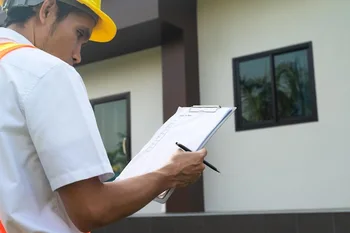
The property inspection is a fundamental step in the process of buying your new home. When visiting the property, you should pay attention to several key aspects that can affect both your investment and your quality of life. Start by examining the overall condition of the structure: look for cracks in the walls, moisture in the ceilings, and any signs of damage that may require costly repairs. Also, check the functioning of essential systems such as plumbing, electricity, and heating. If possible, consider hiring a professional inspector who can identify hidden problems that are not immediately visible.In addition to the structural aspects, do not forget to evaluate the immediate environment and nearby amenities. Research the safety of the neighborhood, the proximity to basic services such as supermarkets, schools, and hospitals, as well as access to public transportation. Ask about community rules or restrictions that may exist in the area; this will help you get a clear idea of the lifestyle you can lead in your new home. This comprehensive analysis will not only allow you to make an informed decision, but it will also help ensure that your new residence is a safe and comfortable place for you and your family.8. Preparation for closing: necessary documents
Preparing for the closing of your new home purchase is a crucial step that requires attention to detail and meticulous organization. Before reaching the final signature, you will need to gather a series of essential documents that will support the transaction. These include your official identification, proof of income, financial statements, and any documents related to the mortgage loan if you have opted for one. Having all these papers in order will not only facilitate the process but also provide you with peace of mind by ensuring that no important detail is missing.It is also advisable to have copies of the seller's documents, such as the title of ownership and previous inspection reports. These elements are essential to verify that the property is free of encumbrances and in acceptable condition. It is also helpful to prepare a summary or list of all the documents required for closing, which will allow you to have more effective control over each stage of the process. Remember that being well-prepared not only accelerates the administrative management but also minimizes unpleasant surprises on the way to acquiring your ideal home.Advertisements
More in Checklist

Buying Process, Checklist
Ultimate guide to effectively plan home shopping
+30 days
7 views
Buying Process, Checklist
Tips for ensuring a successful closing on your home purchase
+30 days
6 views

Buying Process, Checklist
Aspects to consider for a safe home purchase in Costa Rica
+30 days
5 views

Buying Process, Checklist
Tips for a home purchase that minimizes financial risks
+30 days
4 views
Most viewed in Buying Process

Buying Process, Procedures
How to choose the purchase option that best suits you
+30 days
2,794 views

Buying Process, Advice
Purchase decisions: the importance of prior research
+30 days
2,320 views

Buying Process, Advice
How to set priorities in your home purchases
+30 days
2,196 views

Buying Process, Advice
The essential guide to wisely choosing household products
+30 days
1,871 views