
Tips for ensuring a successful closing on your home purchase
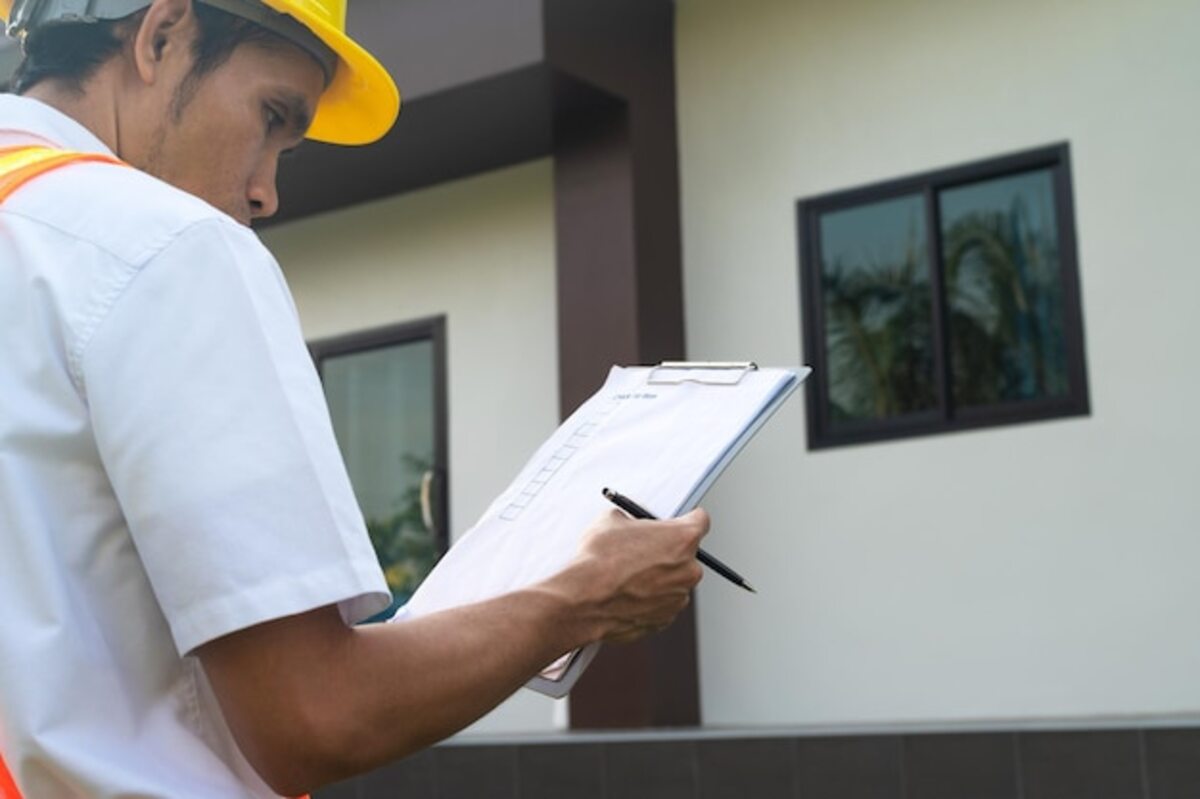
Ensuring a successful closing on your home purchase is key to enjoying the house of your dreams without setbacks. This process can be overwhelming, but with the right tips and a well-organized checklist, you will be prepared to face each stage with confidence. From document review to closing day, every detail matters. In this article, we will provide you with effective strategies to help you navigate this exciting journey without losing sight of the most important thing: turning that property into your new home.
Understand the closing process: essential steps
Understanding the closing process is essential to ensure that your home purchase goes smoothly. Closing involves a series of critical steps that must be followed meticulously. First, it's important to conduct a thorough review of all documents related to the property, including the purchase agreement and any other legal documents. This will not only allow you to fully understand the terms of the transaction but will also help you identify any potential discrepancies or issues that may arise before the big day. Additionally, make sure to have all your financial information in order, such as your bank statements and details about the mortgage loan.
Once you have reviewed the documents and organized your financial information, the next step is to coordinate with your real estate agent and other professionals involved in the process, such as lawyers or inspectors. Clear and ongoing communication will be key to addressing any questions or concerns that may arise. Additionally, consider conducting a final inspection of the property before closing; this will allow you to confirm that everything is in optimal condition and that there are no unpleasant surprises. By following these essential steps, you will be in a better position to carry out a successful closing and turn that house into your new home without unnecessary complications.
Advertisements
Necessary documentation: everything you need to have on hand
To ensure a successful closing on your home purchase, it is essential to have all the necessary documentation on hand. This will not only allow you to proceed without setbacks but will also demonstrate your seriousness and preparedness to those involved in the transaction. Start by gathering personal documents such as your identification, proof of income, and financial statements that reflect your creditworthiness. Additionally, it is advisable to have the purchase agreement and any documents related to the property, such as inspection reports or appraisals, readily available.
Another crucial aspect is to familiarize yourself with the specific requirements of the process according to the state or country where you are making the purchase. Some places may require additional documents such as proof of funds for the down payment or pre-approval letters for financing. Keeping everything organized in a physical or digital folder will make it easier to access during meetings with real estate agents and lenders. This way, you can approach each stage of the process with confidence and ensure that no essential detail is missing in the closing of your new home.
Pre-inspections: ensuring the quality of your new home
Pre-inspections are an essential step in the home buying process, as they ensure that you are making an informed and secure investment. Before closing any deal, it is crucial to conduct a thorough inspection of the property. This includes checking the structure, electrical systems, and plumbing, as well as identifying any potential hidden issues that could lead to unexpected expenses in the future. With a detailed report on the condition of the house, you will be able to negotiate better terms for the purchase or even reconsider your decision if significant problems arise.
In addition to identifying obvious problems, inspections also give you the opportunity to learn more about the maintenance required for your future home. A professional inspector can provide you with valuable information about the specific care each area of the house will need, which will help you plan your budget more accurately. Make sure to be present during the inspection to ask questions and clarify any doubts; this is a key moment to ensure that you are not just buying a house, but a home in optimal condition and ready to welcome its new family.
The importance of the real estate agent in the closing
The role of the real estate agent is essential in the process of closing a home purchase. Their experience and knowledge of the market can be key to avoiding costly mistakes and ensuring that all legal and financial aspects are well covered. A good agent not only acts as an intermediary but also provides valuable advice throughout the entire process, from the initial negotiation to the final signing. Having a professional by your side can make the difference between a smooth transaction and a closing filled with inconveniences.
Additionally, the real estate agent has access to resources and tools that can facilitate communication with all parties involved, including lenders, inspectors, and attorneys. This ensures that every detail is handled accurately and in a timely manner, minimizing unexpected delays. Their ability to anticipate potential issues allows you to address any inconveniences before they become significant obstacles. Therefore, having a good agent not only provides you with peace of mind but can also result in a faster and more efficient closing, allowing you to enjoy your new home without unnecessary complications.
Final negotiations: how to get the best advantage
When you reach the final negotiation stage in the purchase of your home, it is vital to have a clear strategy to ensure you get the best deal possible. This is the time to review all agreed-upon conditions and be prepared to ask questions or raise concerns that may arise. Effectively communicating with the seller or their agent can make the difference between a successful closing and one that is marred by misunderstandings. Do not hesitate to negotiate aspects such as the final price, necessary repairs, or even including some furniture or appliances in the offer. Remember that every small detail counts and can significantly influence your long-term satisfaction.
Additionally, make sure to have a professional by your side, such as an experienced real estate agent or a lawyer specialized in real estate, who can advise you during this critical phase. They can provide you with valuable information about the local market and help you identify areas where you could obtain concessions. It is also advisable to conduct a final review of the property before closing to ensure that everything is in order and in accordance with what was agreed upon. By maintaining open communication and being proactive, you will be able to maximize your opportunities during the final negotiations, ensuring not only a successful closing but also a secure investment for your future home.
Legal aspects: what to review before signing?
Before signing any document related to the purchase of your home, it is crucial that you carefully review all the legal aspects involved in the process. This includes not only the purchase agreement but also any additional agreements that may exist between the parties. Make sure to understand each clause and condition, as well as the legal implications that may arise from them. If there are terms that you do not fully understand, do not hesitate to consult a lawyer specialized in real estate. Their advice can be invaluable in avoiding unpleasant surprises in the future.
Additionally, it is essential to verify the existence of liens or encumbrances on the property. This involves investigating whether there are outstanding mortgages, attachments, or other rights that could affect your future ownership. Request a copy of the property title and ensure that it is free of legal issues. Also, consider reviewing the public records related to the property to confirm its history and ensure that everything is in order. By doing so, you will significantly reduce the risk of facing legal problems after closing and can fully enjoy your new home without unnecessary worries.
Financial preparation: hidden costs and how to manage them
Financial preparation is a fundamental part of the home buying process, and it is crucial to be aware of the hidden costs that may arise. Many people focus solely on the price of the property and immediate expenses such as the down payment and closing fees, but there are other costs that can surprise unsuspecting buyers. These may include inspection costs, initial maintenance, property taxes, insurance, and potential repairs. Identifying these costs from the beginning will allow you to create a more realistic budget and avoid unpleasant surprises during or after closing.
To manage these hidden costs, it is advisable to establish a contingency fund that covers at least 10% of the total price of the home. This will provide you with a margin to handle any unexpected expenses that arise once you have closed the purchase. Additionally, consider consulting with professionals in the real estate and financial sectors for a clearer understanding of what to expect in terms of additional costs. With proper planning and a proactive approach to these expenses, you will be able to fully enjoy your new home without unnecessary financial worries.
The final inspection: making sure everything is in order
The final inspection is a crucial step in the closing process of your home purchase. This moment gives you the opportunity to verify that everything agreed upon in the contract has been fulfilled and that the property is in optimal condition before signing any documents. Be sure to check every corner of the house, paying special attention to the electrical systems, plumbing, and any potential structural damage. Don't hesitate to ask questions or point out any issues you find; it's better to address these matters before closing to avoid unpleasant surprises later.
Additionally, during the final inspection, it is advisable to have a professional inspector if you haven't done so previously. An expert can detect hidden problems that you might overlook and provide you with a clearer insight into the overall condition of the property. It is also the perfect time to confirm that any repairs promised by the seller have been carried out correctly. Remember to document your findings with photographs or detailed notes, as this can be useful if you need to negotiate repairs or price adjustments before the official closing. Good preparation here can make the difference between a pleasant experience and one filled with complications after moving into your new home.
Strategies to stay calm during the process
Staying calm during the home buying process is essential for making informed decisions and avoiding setbacks. One of the most effective methods to achieve this is to set realistic expectations from the beginning. Understanding that the process may have ups and downs, and that each step may present unique challenges, will help you mentally prepare for what lies ahead. Additionally, practicing relaxation techniques such as meditation or deep breathing exercises can be very helpful during stressful moments, allowing you to maintain a clear and rational focus.
Another key strategy is to have a strong support team. Having real estate agents, specialized attorneys, and trusted mortgage advisors by your side will not only provide you with the necessary information but also give you peace of mind. Don't hesitate to voice your concerns and ask questions; a good professional will be happy to guide you through the process and offer viable solutions. Finally, remember to take short breaks throughout the day. Enjoying activities that relax you or simply disconnecting for a moment will help you recharge and maintain a positive perspective as you move towards the successful closing of your new home.
Celebrating your purchase: post-closing steps to enjoy your new home
Once you have closed the purchase of your home, it is essential to take the right steps to celebrate this new chapter in your life. Start by organizing a small gathering with friends and family in your new home. This celebration will not only allow you to share the joy of your acquisition, but it will also help you begin to create memories in the space that now belongs to you. You can choose a simple lunch or an afternoon of games; what matters is enjoying the company and feeling supported by your loved ones as you explore every corner of your new house.
Also, consider taking a tour of the property to identify areas that need attention or improvements. This process can include anything from small repairs to more ambitious projects. Making a list of the things you want to change or update will not only help you plan for the future of your home but also allow you to customize it to your liking. Remember, every small step towards creating the perfect environment contributes to turning that physical structure into a true home where you can enjoy and grow for years to come.
Advertisements
More in Checklist

Buying Process, Checklist
Tips for choosing the perfect location when buying your home

Buying Process, Checklist
Tips for ensuring clarity in the purchase of your ideal home

Buying Process, Checklist
Tips for a home purchase that promotes your well-being
Buying Process, Checklist
How to ensure a home purchase aligned with your dreams
Most viewed in Buying Process
Buying Process, Legal Verification
Fundamental Aspects to Ensure Your Real Estate Purchase
Buying Process, Legal Verification
Legal Aspects That Boost Your Confidence When Buying Properties

Buying Process, Advice
Tips for choosing the ideal property without complications

Buying Process, Common Mistakes
Mistakes That Can Frustrate Your Purchase in La Fortuna