
Elements that ensure a worry-free home purchase
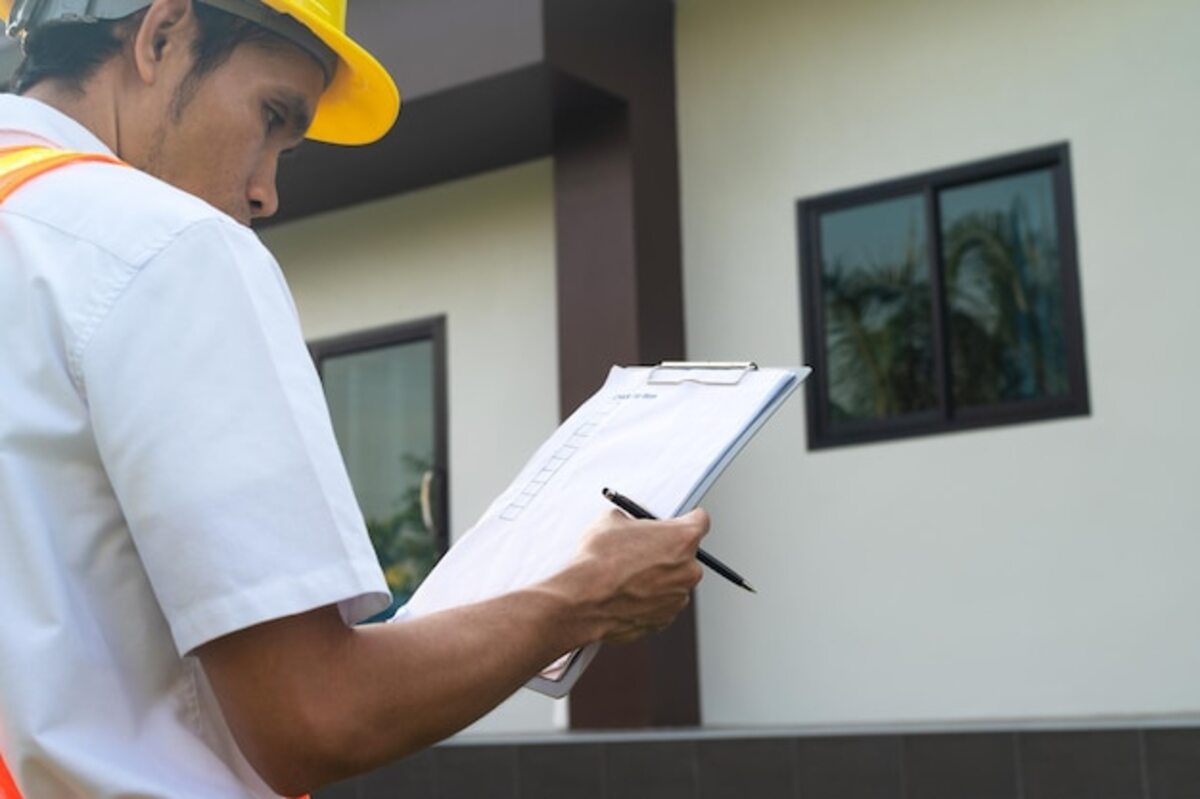
Are you ready to take the big step of buying a home in Costa Rica? Ensuring that this important decision is worry-free starts with a proper technical inspection. In this article, we will explore the essential elements that will help you make an informed and secure decision, ensuring that your future home is not only a place to live but also a solid investment. Don't leave anything to chance; know the key aspects you should consider to avoid unpleasant surprises along the way.
The importance of technical inspection in home buying
The technical inspection when buying a home is a crucial step that should not be underestimated. This process involves a thorough assessment of the property, where experts review structural aspects, electrical systems, plumbing, and other key elements that could affect the safety and functionality of the home. By conducting this inspection, buyers gain a clear understanding of the actual condition of the property, allowing them to identify potential issues before finalizing the purchase. Ignoring this step could lead to unforeseen expenses and future complications that impact both comfort and the value of the investment.
Additionally, having a detailed report on the property's condition provides buyers with a valuable tool to negotiate more favorable terms with the seller. If defects or necessary repairs are discovered during the inspection, it is possible to request price adjustments or even demand that repairs be made before finalizing the transaction. In this way, you not only ensure your well-being when moving into a new home, but also protect your long-term investment by avoiding uncomfortable surprises related to additional costs and unexpected maintenance.
Advertisements
What is a technical inspection and when should it be conducted?
A technical inspection is a thorough process that evaluates the physical and structural condition of a property before purchase. This analysis includes the review of aspects such as the foundation, the electrical system, the plumbing installations, and the condition of the finishes, among others. Conducting a technical inspection is essential to identify potential hidden problems that could be costly in the future. By thoroughly understanding the condition of the property, you can make informed decisions and better negotiate the terms of the purchase, thus ensuring a safer investment. It is advisable to carry out this inspection before formalizing any purchase agreement. Ideally, you should conduct it after finding a property that interests you but before closing the deal. This will allow you to have a clear overview of any necessary repairs or issues that could influence your final decision. Additionally, having a detailed report can serve as a tool to discuss possible price adjustments or request repairs from the seller, thus ensuring that your future home meets your expectations and needs without undesirable surprises.
Main areas to evaluate during the inspection
During a home inspection, there are several key areas that require special attention. First, it is essential to assess the structure of the property, including the foundations, walls, and ceilings. Any signs of cracks or damage may indicate deeper issues that could compromise the safety and stability of your future home. Additionally, make sure to check the plumbing system; leaks or poor condition of the pipes can lead to costly repairs in the long run. Do not underestimate the importance of this initial assessment.
Another critical aspect to consider is the electrical state of the home. Check that all electrical installations comply with local standards and do not pose potential risks such as short circuits or overloads. It is also advisable to check the heating and air conditioning system, as malfunctioning can affect your comfort and require unexpected investments in maintenance. Finally, do not forget to inspect the outdoor spaces; gardens, fences, and accesses are also an integral part of the overall value of the property and should be in good condition to ensure a worry-free purchase.
How to choose a reliable technical inspector
Choosing a reliable technical inspector is a crucial step in the home buying process. Start by researching the inspector's credentials and experience. Look for professionals with recognized certifications and a solid track record in the industry. Reputation is equally important; check reviews and testimonials from previous clients to ensure the inspector has a proven history of conducting thorough inspections and providing clear and detailed reports. Don't hesitate to ask for references and verify their previous work, as this will give you a clearer idea of their competence.
Once you have gathered information about potential inspectors, schedule interviews to assess their level of communication and professionalism. A good inspector should not only be skilled at identifying problems but also able to explain them in a way that is understandable to you. Pay attention to how they respond to your questions; a reliable inspector will be patient and willing to clarify any concerns you may have. Additionally, make sure to discuss the cost of the service upfront and what the final report will include. This transparency will help you establish clear expectations and ensure that you are making an informed decision when selecting your technical inspector.
Essential tools used in technical inspections
Technical inspections are a fundamental part of the home buying process, and having the right tools can make the difference between a successful transaction and one filled with inconveniences. Among the essential tools are a moisture meter, which helps identify hidden problems such as leaks or water damage. Additionally, a laser level is crucial for checking the alignment of structures and ensuring there are no dangerous inclinations in the floor or walls. These tools assist technicians in providing an accurate diagnosis of the overall condition of the property.
Another important element is the thermal camera, which is capable of detecting temperature variations on surfaces, which can indicate electrical problems or thermal leaks. Additionally, having a multimeter is essential for assessing the condition of the electrical system in the home and ensuring it meets necessary standards. Investing in these tools not only makes the inspector's job easier but also provides the buyer with peace of mind knowing that critical aspects are being reviewed before closing the purchase. With the proper use of these tools, you can ensure that your future home is in optimal condition and ready to become your dream home.
Common mistakes when overlooking the technical inspection
One of the most common mistakes when skipping the technical inspection is underestimating the importance of knowing the actual condition of the property. Many people get carried away by the aesthetic appearance, focusing only on the finishes and decoration, without considering that structural or maintenance problems may be hidden from plain sight. By not conducting a proper inspection, you could face unexpected repair costs in the short term that affect your budget and peace of mind. Therefore, it is essential to dedicate time and resources to this stage of the buying process to ensure that you are making a safe investment.
Another common mistake is to blindly trust the seller's claims or the photographs presented in advertisements. Often, these can be misleading and may not accurately reflect the reality of the property. A technical inspection provides a detailed report on critical aspects such as electrical systems, plumbing, roofs, foundations, and other essential elements that ensure the safety and habitability of the home. Ignoring this phase can lead you to acquire a property that not only requires more investment than planned but could also compromise your quality of life. Ultimately, conducting a thorough technical inspection empowers you as a buyer and increases your chances of making a satisfying and lasting choice.
Costs associated with technical inspection and its return on investment
The technical inspection of a home may seem like an additional expense in the buying process, but it is important to understand that the costs associated with this service are a crucial investment to secure your long-term investment. Generally, the cost of the inspection varies depending on the size and location of the property, as well as additional services that may be offered, such as land analysis or review of electrical and plumbing systems. However, what many buyers do not consider is that this small investment can prevent much larger expenses for unexpected repairs or serious structural problems that could arise after the purchase has been closed.
The return on investment (ROI) of a technical inspection manifests in multiple ways. First, it provides peace of mind to the buyer, as it allows them to know the actual condition of the property before making a significant financial commitment. Additionally, if issues are identified during the inspection, this gives you the opportunity to renegotiate the price or request repairs before closing. Therefore, although it may initially seem like a high cost, in the end, it can represent significant savings and protect your investment against future complications. Investing in a good technical inspection not only ensures that your home is safe and habitable from day one, but it also helps preserve its value over time.
Final tips to ensure your purchase goes smoothly
To ensure that your home purchase goes smoothly, it is essential to carry out meticulous planning. Start by establishing a clear budget that not only considers the price of the property but also additional expenses such as taxes, insurance, and maintenance costs. Researching and comparing different options in the market will give you a broader perspective and help avoid impulsive decisions. Do not underestimate the importance of having a reliable real estate advisor who can guide you through the process, as their experience can help you identify potential issues before finalizing the deal.
Another crucial aspect is the thorough review of all documents related to the property. Make sure to verify the legal status of the property, including titles and necessary permits. It is also advisable to conduct a detailed technical inspection to detect any hidden defects that may imply future costs. Finally, always maintain open communication with all parties involved in the transaction; this will not only facilitate the process but also provide you with peace of mind knowing that you are informed and supported at every step of the way to your new home.
Advertisements
More in Technical Inspection

Buying Process, Technical Inspection
How local consulting can enrich your home buying experience
Buying Process, Technical Inspection
Aspects to consider for a safe and reliable home purchase

Buying Process, Technical Inspection
Keys to Understanding the Impact of Inspection on Your Home
Buying Process, Technical Inspection
How pre-planning ensures a successful home purchase
Most viewed in Buying Process
Buying Process, Legal Verification
Fundamental Aspects to Ensure Your Real Estate Purchase
Buying Process, Legal Verification
Legal Aspects That Boost Your Confidence When Buying Properties
Buying Process, Advice
Tips for choosing the ideal property without complications

Buying Process, Common Mistakes
Mistakes That Can Frustrate Your Purchase in La Fortuna