
Hidden aspects that guarantee your investment in technical inspection
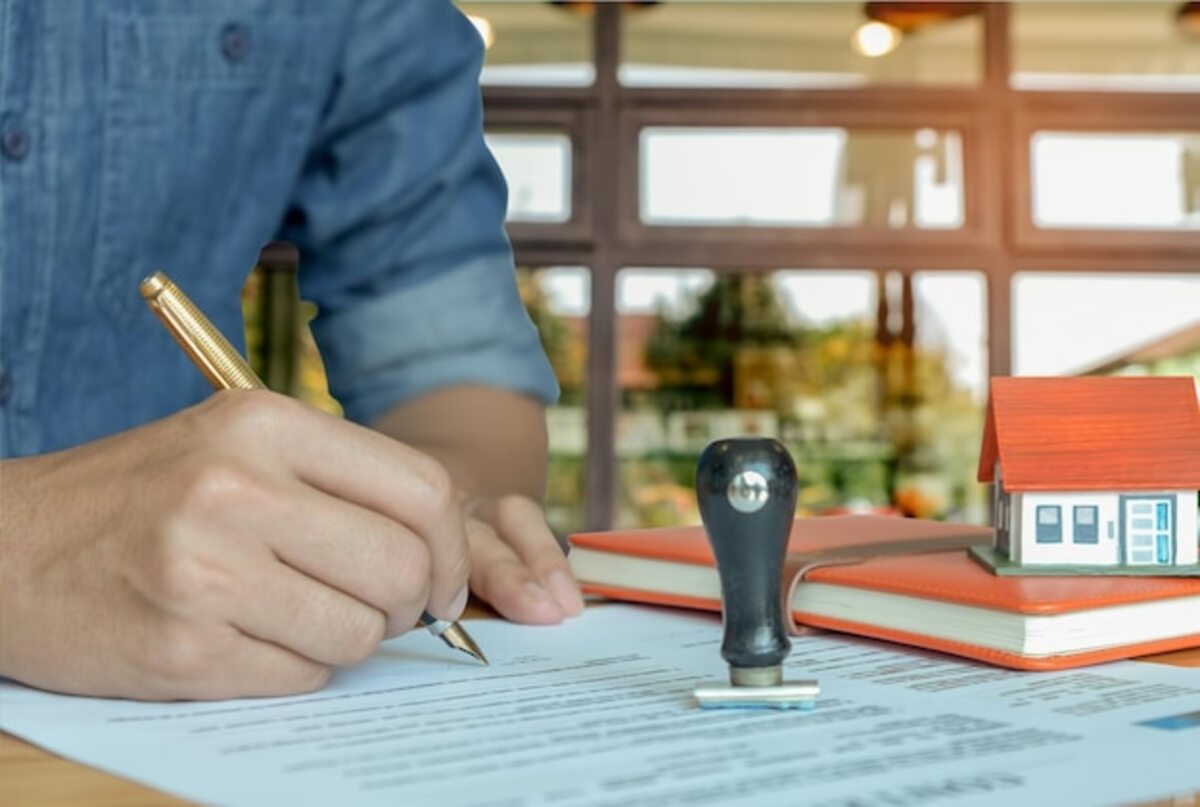
The technical inspection is a crucial step in the buying process that many buyers overlook. However, there are hidden aspects that can make the difference between a safe investment and a financial headache. In this article, we will reveal those fundamental details that will ensure your investment, helping you make informed decisions and protect your assets. Knowing these elements will allow you not only to acquire a property in optimal condition but also to avoid unpleasant surprises in the future.
The importance of a certified inspector: What to look for?
Choosing a certified inspector is a vital step to ensure a successful real estate purchase. When looking for an inspector, it is essential to verify their credentials and experience in the field. A certified inspector should not only have the relevant licenses but also a solid technical background and a proven track record of inspections conducted. Asking for references and reading reviews can provide a clear insight into their professionalism and the quality of their work. Additionally, make sure that the inspector has specific experience in the type of property you are considering, as each property presents different technical challenges.
Another essential aspect to consider is the inspector's ability to effectively communicate the findings. It's not just about identifying visible problems; a good inspector must be able to explain the detected defects and their implications in understandable terms. This includes not only the immediate issues that need attention but also potential aspects that could arise in the future if not properly addressed. The inspector's skill in preparing a clear and detailed report is crucial, as it will allow you to make informed decisions about the necessary repairs and even negotiate more favorable terms in your offer.
Advertisements
Structural assessment: Beyond the visible
Structural evaluation is a critical aspect that goes beyond what our eyes can see. Often, buyers focus on the aesthetics of a property, such as fresh paint or interior design, without considering the underlying issues that could compromise the integrity of the home. A trained technical inspector will examine elements such as the foundations, beams, and roof structure, identifying any signs of damage or deterioration that may not be evident at first glance. This type of analysis allows for the detection of issues like water leaks, termites, or problems with the electrical system, which can become costly if not addressed before closing the deal.
Additionally, a thorough structural assessment provides peace of mind to the buyer. By knowing the actual condition of the property, you can make informed decisions about future renovations or necessary repairs and plan your budget accordingly. Ignoring this step can lead to unpleasant surprises and unexpected costs after having acquired the house. Therefore, investing in a complete technical inspection is essential to safeguard your investment and ensure that your new home is a safe and comfortable place to live in the long term.
Inspection of electrical systems and plumbing: Keys to safety
The inspection of electrical and plumbing systems is a critical component that should not be underestimated during the property purchasing process. A faulty electrical system can pose not only a considerable risk but also a determining factor in the safety and functionality of the home. It is essential to check the condition of wiring, switches, and electrical panels to ensure they comply with current regulations. The presence of loose connections, overloads, or even outdated installations can lead to costly fires or electrical failures. Therefore, having a professional conduct this thorough evaluation ensures that your investment is protected against potential dangers.
On the other hand, plumbing is equally crucial; issues such as hidden leaks or deteriorated pipes can cause significant and costly structural damage in the long run. A thorough inspection will identify leaks, blockages, or corrosion in the pipes before finalizing the purchase. Additionally, it is important to check the condition of the drainage system and ensure that there are no sewer-related issues that could lead to future inconveniences. In summary, conducting a detailed review of both the electrical system and plumbing not only protects your immediate well-being but also safeguards the financial and structural integrity of your new property.
Detection of environmental problems: Humidity, mold, and more
One of the most critical aspects to consider during a technical inspection is the detection of environmental issues, such as moisture and mold. These factors not only affect the air quality in the home but can also compromise the property's structure over time. Moisture can be indicative of leaks in pipes, dripping, or drainage problems, while mold can arise in dark and damp places, which not only poses a health risk to the occupants but can also be costly to eliminate if not addressed in time. Therefore, having specialists conduct specific tests to detect these issues is essential to ensure your investment is protected.
In addition to humidity and mold, other environmental pollutants such as radon gases or volatile organic compounds (VOCs) can seriously affect both your well-being and the long-term value of the property. A healthy indoor environment is essential for fully enjoying your home and avoiding future legal complications that may arise from harmful conditions. By conducting a thorough technical inspection, you can identify and mitigate these risks before closing a deal, thus ensuring that your new property is not only a comfortable place to live but also a safe haven where you can invest without worries.
Necessary documentation before the technical inspection
Before carrying out a technical inspection, it is essential to prepare all the necessary documentation that supports the process. This includes, among others, the property plans, building permits, and any previous reports on the condition of the property. Having these documents not only facilitates a more thorough evaluation by the inspector but also provides valuable information about past modifications and their compliance with local regulations. The absence of this documentation could result in unexpected surprises during the inspection, which can severely impact your investment.
It is also advisable to gather receipts for utilities and maintenance performed over time. These records can provide clues about the overall condition of the property and help identify potential issues that may arise later. For example, recent repair bills may suggest that serious problems have been addressed or may conceal a history of recurring issues. Having all this material ready before the inspection not only optimizes the time of the professional in charge but also empowers you as a buyer by giving you a clear and complete view of the property in question.
Hidden costs you could avoid with a good inspection
The purchase of a property may seem like a straightforward process, but hidden costs can add up quickly if a proper technical inspection is not conducted. Structural issues, damage to electrical or plumbing systems, and the presence of pests are just a few examples of situations that could go unnoticed. These inconveniences not only require costly repairs, but they can also affect the resale value of your home. By identifying these problems early on, you can negotiate the price better or demand repairs before closing the sale, thus avoiding unexpected expenses in the long run.
In addition, there are costs associated with lack of maintenance that are also evident during a technical inspection. For example, an inefficient HVAC system or worn-out pipes can significantly increase monthly bills and generate additional expenses in the future. By investing in a thorough inspection, you will have the opportunity to plan and budget for the necessary repairs and preventive maintenance adequately. This way, you not only protect your initial investment but also ensure a safer and more comfortable environment for you and your family.
How to interpret technical inspection reports
Interpreting technical inspection reports may seem like a daunting task for many buyers, but it is essential to understand the actual condition of the property. These reports often include technical terminology and specific details about the structure, electrical systems, plumbing, and other critical aspects of the property. It is crucial for buyers to not only read the report superficially but to delve into each section to identify potential issues that could affect their investment in the short and long term. By doing so, you will be able to differentiate between minor issues that can be easily resolved and those that require immediate attention or pose a significant risk.
Additionally, when reviewing the technical inspection report, it is important to pay attention to the context in which the recommendations are presented. Some reports include ratings on the severity of the issues found and suggest priority actions. Understanding these recommendations will allow you to make more informed decisions about whether to proceed with the purchase or negotiate repairs before closing. It is also advisable to consult with industry professionals if there is any part of the report that you do not fully understand; this will provide you with a clearer view of the situation and help you protect your investment against potential future complications.
Long-term benefits of investing in a good inspection
Investing in a good technical inspection offers significant long-term benefits that can even surpass the initial cost of the service. First, a thorough inspection provides detailed knowledge about the condition of the property, allowing you to anticipate and mitigate future expenses related to repairs or maintenance. By identifying hidden issues before closing the deal, you can negotiate improvements or price adjustments, ensuring that your investment is backed by the actual state of the property. This not only protects your wallet but also guarantees that your new home meets the necessary safety and functionality standards for you to fully enjoy it.
Additionally, having a well-prepared technical report can be a valuable asset over time. If you decide to sell the property in the future, having clear documentation about the initial conditions and repairs made can significantly increase its resale value. Potential buyers feel more secure when purchasing a home that has undergone a professional inspection, as this gives them confidence about its overall condition. Therefore, investing in a good technical inspection is not only essential to avoid unpleasant surprises from the start, but also lays the groundwork for a positive and profitable long-term experience in the real estate market.
Advertisements
More in Technical Inspection

Buying Process, Technical Inspection
How local consulting can enrich your home buying experience
Buying Process, Technical Inspection
Aspects to consider for a safe and reliable home purchase

Buying Process, Technical Inspection
Keys to Understanding the Impact of Inspection on Your Home
Buying Process, Technical Inspection
How pre-planning ensures a successful home purchase
Most viewed in Buying Process

Buying Process, Legal Verification
Fundamental Aspects to Ensure Your Real Estate Purchase
Buying Process, Legal Verification
Legal Aspects That Boost Your Confidence When Buying Properties
Buying Process, Advice
Tips for choosing the ideal property without complications

Buying Process, Common Mistakes
Mistakes That Can Frustrate Your Purchase in La Fortuna