
How to avoid mistakes when choosing your technical inspection in housing
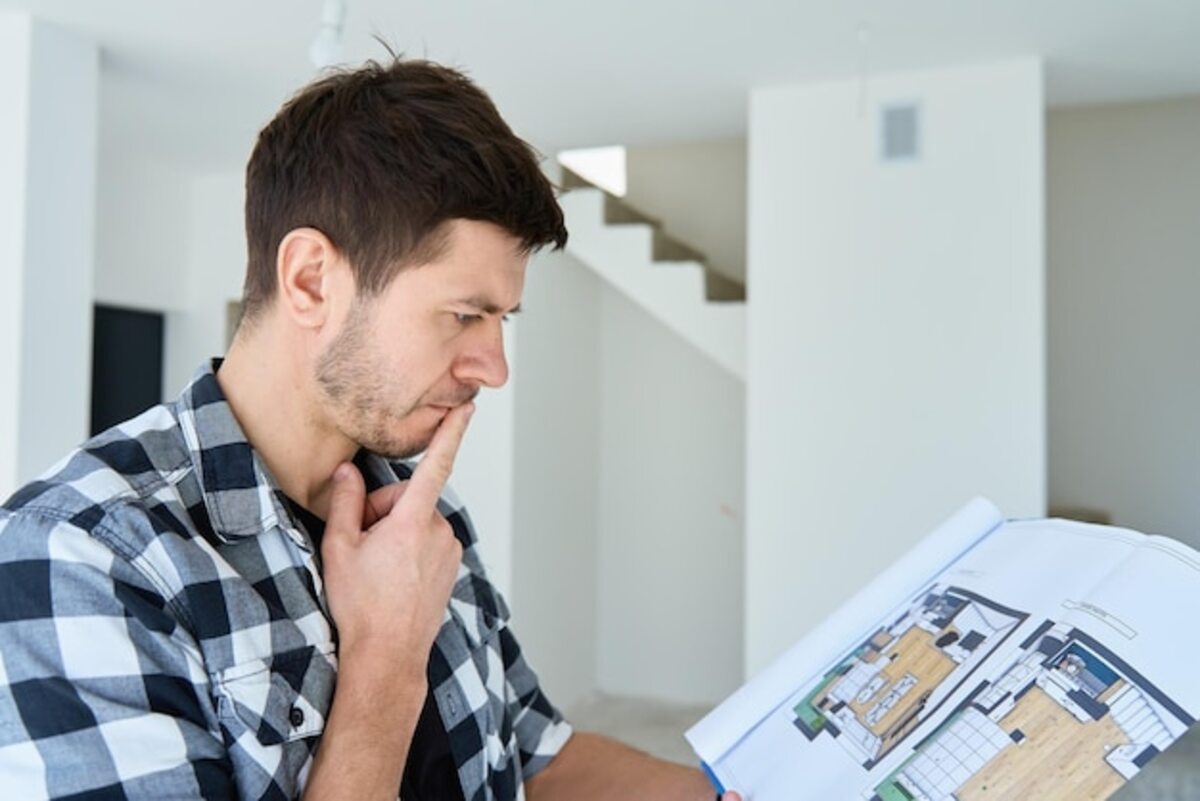
Choosing the right technical inspection for your home is a crucial decision that can make the difference between a safe home and a repair nightmare. In this article, we will guide you through the most common mistakes to avoid when selecting your technical inspection, ensuring that you make informed decisions during the purchasing process. With practical and easy-to-follow advice, you will be able to navigate this stage with confidence and peace of mind, thus protecting your most important investment.
The importance of technical inspection in the purchasing process
The technical inspection is a fundamental step in the process of buying a home, as it allows for the identification of potential structural or maintenance issues that could turn into costly repairs in the future. Conducting a thorough evaluation of the property's condition provides you with a clear view of its actual state, enabling you to make more informed decisions and avoid unpleasant surprises after the purchase. Ignoring this step can lead to serious mistakes, such as investing in a property with hidden defects that compromise your safety and well-being.
In addition, having a detailed technical report not only helps you negotiate the purchase price better, but also gives you the opportunity to request repairs before closing the deal. Having clarity about the technical aspects of the property empowers you as a buyer, as you can set realistic expectations about future costs associated with maintenance and necessary improvements. In summary, the technical inspection is a key tool to protect your investment and ensure that your new home is truly a safe and comfortable space.
Advertisements
Main mistakes when choosing an inspection company
One of the main mistakes when choosing a technical inspection company is not verifying the credentials and experience of the inspector. Many people are swayed by low prices or attractive promotions, without considering whether the professional has the proper training and necessary certification to carry out these types of evaluations. An inspector without the proper experience may overlook crucial issues in the property, which could result in costly repairs in the long run. Therefore, it is essential to research and request references before making a decision.
Another common mistake is not reading the reviews and testimonials of other clients about the selected company. The reputation of a company can provide valuable information about its service quality and reliability. Ignoring this stage can lead you to choose a provider that does not meet your expectations or has had issues with other clients in the past. Take the necessary time to review online platforms where previous experiences are shared, as well as consult friends or family who have used similar services. This way, you can have a better idea of what to expect and choose a company that truly gives you confidence and security in your investment.
What should a technical inspection report include?
A technical inspection report must be a comprehensive document that includes all relevant aspects of the condition of the property. First, it should detail the structural conditions, such as the state of the foundations, walls, and ceilings, as well as any signs of damage or deterioration. It is also crucial to include observations about electrical and plumbing systems, as these are essential components for the safety and functionality of the home. A good report not only points out existing issues but also assesses their severity and provides recommendations for necessary repairs.
In addition to the technical aspects mentioned, a complete report should include photographs that support the observations made during the inspection. This not only adds clarity to the document but also serves as visual evidence for future reference. Other important sections may cover the analysis of the heating and cooling system, as well as indoor air quality and potential environmental hazards such as mold or lead in old paint. By having a comprehensive and detailed view through the report, you will be able to make more informed decisions regarding potential additional investments or negotiations with the seller.
How to research the reputation of the technical inspector
Researching the reputation of the technical inspector is a fundamental step to ensure you are making an informed decision. Start by looking for opinions and reviews online from previous clients. Specialized websites, discussion forums, and social media can provide you with a clear insight into the quality of the service they offer. Don't limit yourself to ratings; read the detailed comments to understand the experiences of other homeowners. You can also ask in community groups or among acquaintances if they have worked with any particular technical inspector; word of mouth can be a valuable source of information.
Additionally, check if the inspector is certified and belongs to recognized professional associations in the field of technical inspection. These organizations often have strict standards and codes of ethics that their members must follow, which can offer you an additional layer of trust. Don't hesitate to request direct references from the inspector; talking to former clients can provide you with more concrete answers about their professionalism and effectiveness. By taking the time to research the reputation of the technical inspector, you will be one step closer to making an informed decision that protects your home and your investment.
Key questions to ask your inspector before hiring them
When hiring a technical inspector for your home, it is essential to ask the right questions that help you evaluate their experience and competence. Inquire about their training and certifications, as well as their specific experience with the type of property you wish to inspect. An inspector with a solid track record in similar homes will have a better understanding of potential issues and defects that may arise, which is crucial for an accurate assessment. Also, ask about the duration of the inspection process and what specific aspects will be covered during the review. This will give you a clear idea of what to expect and ensure that critical areas are not overlooked.
Another key question is about the final report you will receive after the inspection. Ask how this report is presented: is it detailed, does it include photographs and recommendations? A good report should not only point out the problems found but also offer suggestions on how to address them. Additionally, consider asking if the inspector is willing to answer your questions after receiving the report; this shows a commitment to their work and can be very helpful in addressing any issues that arise. These questions will help you select an inspector who is not only qualified but also committed to providing you with clear and useful information to protect your investment.
Costs associated with technical inspection: Is it worth it?
When considering the costs associated with the technical inspection of a home, it is essential to evaluate whether it is truly worth investing in this service. Many people may be tempted to opt for a cheaper option, but it is crucial to remember that what is inexpensive can end up being costly. A detailed inspection report conducted by qualified professionals can reveal hidden problems that, if not detected in time, could lead to expensive repairs in the future. At the end of the day, the initial costs of a good inspection may be insignificant compared to the potential savings on repairs and maintenance.
In addition, when analyzing the associated costs, it is also important to consider the added value that a proper technical inspection provides. It is not just about identifying structural defects or electrical problems; a comprehensive report can give you an overview of the condition of your home and its efficient functioning. This will allow you to make informed decisions about future investments or necessary improvements. Therefore, although the cost may seem high at first, the return on this investment in terms of safety and peace of mind can be invaluable for any homeowner.
Differences between a standard inspection and a specialized inspection
When it comes to technical inspections in homes, it is essential to understand the differences between a standard inspection and a specialized one. A standard inspection generally covers the most common aspects of a home, such as the structure, electrical system, plumbing, and other essential elements that affect the habitability of the house. This type of evaluation is ideal for first-time buyers or for those looking to get an overview of the property's condition. However, it may not be sufficient if the property has specific issues or is in particular conditions that require a deeper analysis. On the other hand, a specialized inspection focuses on specific areas that may present hidden risks or require advanced technical knowledge. For example, if you are considering buying an older home, it may be wise to request an inspection focused on outdated electrical systems or the presence of lead and asbestos. These specific evaluations provide detailed information about potential issues that could lead to significant costs in the future. When choosing between these two types of inspections, it is crucial to assess the particular needs of the property and your own concerns as a buyer to make an informed decision that ensures your long-term investment.
Real testimonies: lessons learned from a bad choice
The testimonies of those who have gone through a negative experience when choosing their technical inspection are a valuable source of lessons learned. Many owners have shared how the lack of prior research led them to select unqualified inspectors, resulting in incomplete or erroneous reports. These cases not only caused unpleasant surprises during the purchase but also led to expensive repairs later that could have been avoided with a more careful choice. Hearing these stories can serve as a powerful reminder of the importance of asking questions and verifying credentials before making a final decision.
Additionally, the testimonies reveal that many buyers ignored the recommendations or references from friends and family, which is a common mistake that can have serious consequences. In some cases, homeowners discovered significant structural issues weeks after moving in, problems that could have been detected in a proper inspection. These accounts teach us to value collective knowledge and to seek opinions about technical inspectors based on real experiences, highlighting how crucial it is to trust those who have a good track record and reputation in the market. Thus, learning from others' poor choices not only better prepares you to avoid similar mistakes but also helps protect your long-term investment.
Advertisements
More in Technical Inspection

Buying Process, Technical Inspection
How local consulting can enrich your home buying experience
Buying Process, Technical Inspection
Aspects to consider for a safe and reliable home purchase

Buying Process, Technical Inspection
Keys to Understanding the Impact of Inspection on Your Home
Buying Process, Technical Inspection
How pre-planning ensures a successful home purchase
Most viewed in Buying Process

Buying Process, Legal Verification
Fundamental Aspects to Ensure Your Real Estate Purchase
Buying Process, Legal Verification
Legal Aspects That Boost Your Confidence When Buying Properties
Buying Process, Advice
Tips for choosing the ideal property without complications

Buying Process, Common Mistakes
Mistakes That Can Frustrate Your Purchase in La Fortuna