
Aspects to consider to ensure the quality of your new home
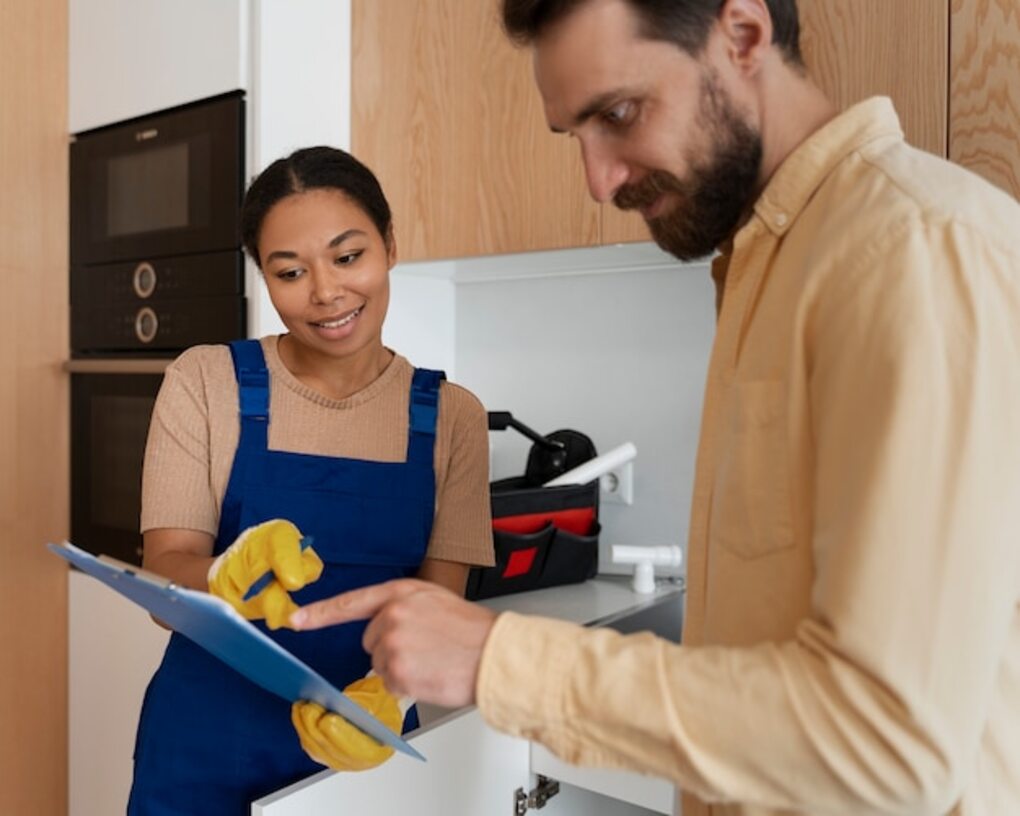
Ensuring the quality of your new home is essential for enjoying a comfortable and lasting space. From the moment you move in, every detail matters: from the choice of materials to regular maintenance. With a proactive approach and the right knowledge, you can avoid future problems and maximize the lifespan of your property. In this article, we will explore key aspects of basic maintenance that will not only protect your investment but also ensure a healthy and welcoming environment for you and your family.
Importance of an Initial Inspection
The initial inspection of your new home is a crucial step that should not be overlooked. This process allows you to early identify any structural defects, plumbing issues, or electrical inconveniences that could become costly repairs in the long run. By conducting a thorough review, you have the opportunity to address these issues with the seller before finalizing the purchase, which can result in significant savings. Additionally, having a detailed report on the overall condition of the property will enable you to plan for future maintenance and improvements more accurately.
A proper inspection not only focuses on the visible aspects of the home but also delves into less obvious systems such as insulation, ventilation, and the condition of the HVAC system. These elements are essential for ensuring a healthy and efficient environment from the start. Once you understand the specific needs of your new house, you can establish a proactive maintenance plan that helps preserve its quality and functionality over time. In summary, dedicating time and resources to an initial inspection is a smart investment to ensure the comfort and durability of your new home.
Advertisements
Humidity and Leakage Control
Humidity control and leaks are crucial aspects that should not be overlooked when ensuring the quality of your new home. The presence of moisture can lead to serious problems, such as mold, which not only affects the structure of the house but also the health of its occupants. To prevent these issues, it is vital to conduct regular checks in areas prone to water accumulation, such as basements and bathrooms. Ensure that drainage systems are functioning properly and consider installing dehumidifiers in spaces where ventilation is limited.
It is also advisable to pay attention to the exterior walls and the roof for any signs of leaks. Drips or damp spots may indicate damage to the roof or gutters. Do not hesitate to make immediate repairs to prevent further damage over time. Investing in sealants and waterproofing materials can be an effective solution to protect your home from the effects of water. With proper maintenance, you can enjoy a dry and healthy environment that will contribute to the longevity and comfort of your home.
Maintenance of the Electrical System
The maintenance of the electrical system is a crucial aspect that is often overlooked in home management. Periodic review of the electrical installations not only ensures the efficient operation of devices but also prevents risks such as short circuits or fires. It is advisable to conduct annual inspections where cables, switches, and outlets are evaluated for any signs of wear or damage. Additionally, make sure to have a qualified electrician to address any issues that may arise, as their expertise can prevent costly future repairs.
Another important point is to be aware of energy consumption and electrical safety. Use power strips with overload protection and avoid overloading electrical circuits. Additionally, consider installing smoke and carbon monoxide detectors to create a safer environment. Keeping an updated list of appliances and their specifications will also help you better manage energy use in the home. By paying attention to these details, you will not only optimize your living space but also contribute to energy savings and the overall well-being of your family.
Periodic Plumbing Inspections
Periodic plumbing inspections are an essential aspect of maintaining any home. Often, issues related to pipes and water systems develop gradually, which can lead to significant damage if not detected in time. Scheduling regular inspections allows for the identification of leaks, blockages, or corrosion before they become critical situations. Additionally, this type of inspection helps maintain the efficiency of the hydraulic system, ensuring that water flows properly and avoiding unpleasant surprises in the form of high bills.
Incorporating plumbing inspections into your maintenance routine also has additional benefits for the health of your home. A well-maintained system prevents moisture buildup, thereby reducing the risk of mold and other air quality-related issues. By ensuring that the installations are in optimal condition, you are not only protecting the physical structure of the home but also promoting a healthier environment for you and your family. With regular attention to these details, you can fully enjoy the comfort that your new space provides without unnecessary worries.
Roof and Gutter Maintenance
The care of the roof and gutters is an essential aspect that is often overlooked in home maintenance, but its importance cannot be underestimated. A well-maintained roof not only protects the structure of your home from the elements but also contributes to energy efficiency by preventing leaks and heat loss. It is advisable to conduct regular inspections to detect any damage, such as broken shingles or worn areas, that may compromise its integrity. Additionally, make sure to clean the gutters regularly to allow for proper drainage. This prevents water buildup that can cause leaks or even damage to the foundations.
Cleaning and preventive maintenance are key to prolonging the lifespan of the roof and gutters. Consider establishing a seasonal schedule to check these elements; for example, after each heavy storm or at the end of each season. During these inspections, look for signs of mold or moisture, as well as blockages in the gutters caused by leaves and debris. If you identify significant problems during these inspections, do not hesitate to contact specialized professionals who can offer appropriate solutions. Keeping the roof and gutters in good condition will not only protect your home but also give you peace of mind knowing that you have taken proactive steps to care for your investment.
Protection against Pests and Invasive Animals
Pest and invasive animal protection is a critical aspect that should not be overlooked when ensuring the quality of your new home. Pests like termites, rodents, and cockroaches can not only cause structural damage and material deterioration but also pose health risks to the occupants. Implementing preventive measures from the start, such as sealing cracks in walls and windows, maintaining cleanliness in common areas, and properly storing food can help minimize the risk of infestations. Additionally, it is beneficial to conduct regular inspections for early signs of insect or rodent activity.
In case an infestation has already occurred, having an effective pest control plan is essential. This may include hiring specialized professional services that use safe and sustainable methods to eliminate pests without affecting family well-being or the environment. It is also advisable to educate oneself about natural and preventive methods that can be effective, such as using repellent plants or eco-friendly traps. Keeping an environment free of pests not only protects your investment in real estate but also helps create a healthy space where you and your family can live worry-free.
Conservation of Outdoor Spaces
The conservation of outdoor spaces is a fundamental aspect of maintaining the quality and functionality of your home. Gardens, patios, and terraces not only beautify the environment but also play a crucial role in protecting the structure of your dwelling. It is essential to carry out regular maintenance, which includes pruning plants and trees, as well as cleaning drains and gutters to prevent blockages that could lead to leaks or structural damage. Additionally, ensuring that paths and access areas are well maintained not only improves exterior aesthetics but also facilitates transit and prevents accidents.
The proper use of weather-resistant materials is vital to prolong the lifespan of your outdoor spaces. Choosing furniture and coverings designed to withstand climate changes may require a higher initial investment, but it will be beneficial in the long run by minimizing repair or replacement costs. Additionally, implementing efficient irrigation systems will help maintain your green areas healthy without wasting water. Ultimately, properly caring for your outdoor spaces will not only protect your real estate investment but also create a welcoming environment to enjoy unforgettable moments with family and friends.
Selection of Durable Materials
The selection of durable materials is one of the most critical aspects when building or renovating a home. Opting for elements that withstand the test of time not only ensures an attractive aesthetic but also minimizes the need for costly repairs and replacements in the future. For example, materials like treated wood, stainless steel, and certain types of ceramics are highly valued for their resistance to the elements and their ability to withstand daily wear and tear. Additionally, choosing finishes that are easy to clean and maintain can make a significant difference in the longevity of your home.
Another important factor to consider is the sustainability of the selected materials. Eco-friendly products not only help reduce your environmental footprint, but they also tend to be more durable and safe for health. For example, paints without volatile organic compounds (VOCs) and certified woods can contribute to a healthier indoor environment without compromising structural quality. By investing in durable and sustainable materials, you not only protect your initial investment, but you also create a space where you and your family can thrive for years to come.
Implementation of an Annual Maintenance Plan
The implementation of an annual maintenance plan is essential to preserve the quality and functionality of your home over time. This plan should include a detailed list of tasks covering both the interior and exterior of the house. For example, periodic inspections of electrical and plumbing systems, cleaning of gutters, maintenance of the heating and air conditioning system, as well as inspection of the roof and facades. By establishing a specific schedule for these activities, you will not only ensure that each task is addressed in a timely manner, but you will also be able to identify potential problems before they become costly repairs.
It is also advisable to document each action taken within the maintenance plan. Keeping a record will allow you to have a clear view of the overall state of your home and will facilitate future planning by knowing which areas have received attention recently. It may also be helpful to involve professionals when necessary, especially for technical or complex tasks. This ensures that your home not only remains in optimal conditions but also increases its value over time, providing you with peace of mind and comfort in your daily life.
Tips for Maintaining an Eco-Friendly Home
Maintaining an eco-friendly home is an excellent way to contribute to the well-being of the planet while ensuring the quality of your living space. To achieve this, start by choosing cleaning and maintenance products that are biodegradable and non-toxic. This not only protects the environment but also improves the air quality in your home, creating a healthier space for you and your family. Opting for sustainable materials in decor and furniture is also essential; look for options made from recycled wood or organic textiles that reduce environmental impact.
Also, consider implementing energy solutions that optimize resource consumption in your home. Installing solar panels or using LED bulbs can significantly reduce your electricity bills and decrease your carbon footprint. Don't forget to pay attention to insulation: make sure your windows and doors are properly sealed to prevent air leaks, which will help you maintain a comfortable temperature without relying too much on heating or cooling systems. With these tips, you can enjoy not only an efficient home but also the pride of making a responsible choice towards a more sustainable future.
Advertisements
More in Basic Maintenance
Home, Basic Maintenance
Key aspects for a smooth move to your new home
Home, Basic Maintenance
Tips for assessing the durability of your new home in Costa Rica
Home, Basic Maintenance
Essential maintenance to maximize the security of your new home
Home, Basic Maintenance
Key aspects to choose a home that protects your investment
Most viewed in Home

Home, Furniture
Furniture that promotes the art of rest and disconnection
Home, Furniture
How to select furniture that reinforces your investment in Costa Rica
Home, Essential Appliances
Appliances that ensure functionality and style in your home
Home, Security and Technology
Early warning systems for smart home security