
Essential aspects for choosing the right home in Costa Rica
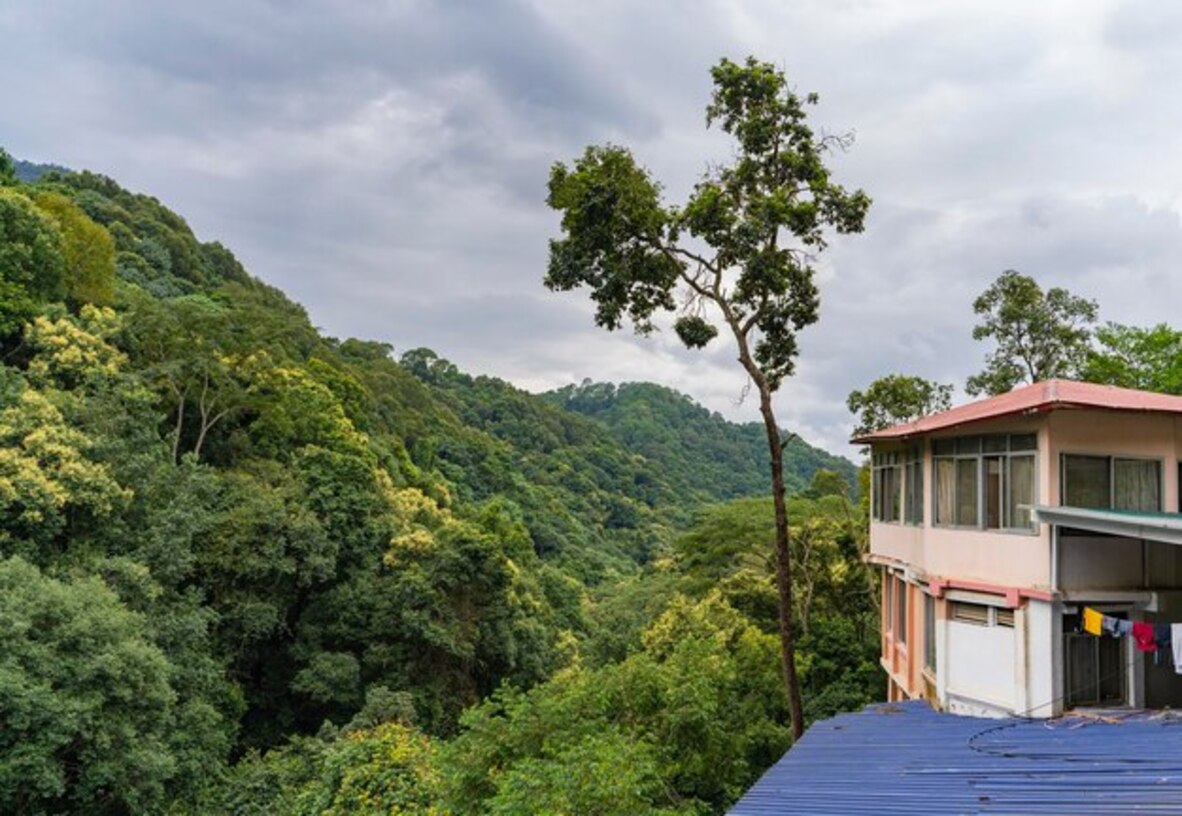
Choosing the right home in Costa Rica is a crucial decision that goes beyond aesthetics and finances. With a tropical climate, diverse regions, and unique lifestyles, understanding the essential aspects of basic maintenance becomes a priority. Here we will present keys to help you make the best choice, ensuring that your home is not only beautiful but also functional and sustainable in the long term. Get ready to discover how to transform your new space into the perfect refuge.
Climate considerations: How does the weather affect your home?
The climatic conditions in Costa Rica vary significantly from one region to another, which can directly influence your choice of housing. The tropical climate has two main seasons: the dry season and the rainy season. During the rainy season, the rainfall is intense, which increases the risk of leaks and moisture damage. Therefore, it is essential to consider suitable building materials and good drainage when choosing your home. Homes located in areas prone to flooding or landslides require thorough analysis to ensure they are safe and durable.
In addition to water risk, the climate also affects aspects such as thermal comfort and energy efficiency of the home. In warmer areas, it is advisable to opt for houses with good natural ventilation and high ceilings to avoid excessive heat. Elements such as solar-protected windows and outdoor spaces that facilitate enjoyment of the tropical environment without sacrificing comfort should also be considered. On the other hand, in cooler regions, such as the mountains, it is important to ensure good insulation to maintain a pleasant temperature year-round. By understanding how the climate impacts your home, you can make informed decisions that benefit not only your well-being but also the sustainability of your living space.
Advertisements
Suitable materials for maintenance in Costa Rican areas.
When choosing a home in Costa Rica, it is essential to consider the materials that will be used in its construction and maintenance, especially due to the climatic conditions of the region. In coastal areas, for example, it is advisable to opt for corrosion-resistant materials, such as stainless steel and aluminum for exterior structures and railings. Likewise, ceramic or porcelain coatings are ideal for floors and walls, as they are easy to clean and do not absorb moisture, which helps maintain a healthy environment inside the home. The appropriate choice of these materials not only enhances the durability of the home but also reduces long-term maintenance costs.
In addition to structural elements, it is essential to pay attention to interior finishes. Treated woods with special products to resist moisture and pests are an excellent option for doors and windows. On the other hand, waterproofing systems in roofs and walls are crucial to avoid issues such as leaks or mold. Considering the installation of sustainable systems like solar panels or energy-efficient technology can be beneficial both economically and environmentally. By selecting these suitable materials for the specific conditions of the Costa Rican environment, you will be ensuring a more comfortable and functional home that will remain in optimal condition for many years.
Importance of location: Proximity to services and nature.
The location of a home is a determining factor that significantly influences the quality of life of its inhabitants. In Costa Rica, where the geographical and climatic diversity is notable, having access to basic services such as supermarkets, schools, and medical centers is essential. Choosing a home close to these resources not only facilitates daily activities but also contributes to a more balanced and less stressful lifestyle. Proximity to these services can make the difference between a pleasant experience and a constant struggle with traffic and lost time.
In addition to urban services, proximity to natural environments is another essential aspect when choosing a home in Costa Rica. This country is known for its stunning biodiversity and paradise-like landscapes, from beaches to mountains. Living near green areas not only provides opportunities to enjoy the outdoors and engage in recreational activities such as hiking or surfing, but it also promotes a healthy lifestyle. The connection with nature has proven benefits for mental and emotional well-being, making this closeness a key element for those seeking a home that inspires tranquility and harmony with the natural surroundings.
Pre-inspection: What to check before buying or renting.
Before taking the decisive step of buying or renting a property in Costa Rica, it is essential to conduct a thorough inspection of the property. This process not only involves observing the superficial aesthetics but also requires a detailed analysis of structural and functional aspects. Check the condition of the roof, walls, electrical systems, and plumbing. A small problem can turn into a big headache if not addressed in time; therefore, make sure to inquire about any history of repairs and whether they have been carried out by qualified professionals.
It is also advisable to pay attention to details that affect daily livability: check for signs of dampness or mold, as these are common in tropical climates and can have health implications. Inspecting the outdoor spaces is also crucial; evaluate the garden, access to basic services, and the safety of the neighborhood. A good location can make the difference between a pleasant experience and a constant inconvenience.
Do not underestimate the importance of having professional advice during this process; a certified inspector can provide you with a detailed insight that may go unnoticed by the inexperienced eye. This will allow you to make informed decisions that align with your long-term needs and expectations. Remember that making the right choice from the beginning not only saves you money but also ensures your peace of mind in the chosen home.
Maintenance budget: Planning future expenses.
A fundamental aspect when choosing a home in Costa Rica is to consider the maintenance budget, as this can significantly influence the viability of your long-term investment. The costs associated with maintenance can range from minor repairs to garden care and the electrical system, including cleaning roofs and gutters. It is essential to conduct a thorough analysis of these expenses to prevent financial surprises that may arise over time. By establishing an adequate budget, you can ensure that your home not only remains in good condition but also retains its value in the market.
It is also advisable to research the materials used in the construction of the house and their resistance to local weather conditions. In regions where rains are frequent or where there is humidity, opting for durable and easy-to-maintain materials can result in significant savings in the future. Also consider including in your planning expenses related to professional services such as gardening or regular maintenance of the rainwater system. By having all these elements well-planned within your budget, you will be able to fully enjoy your home without unexpected concerns about maintenance costs.
Outdoor Spaces: How to Design Climate-Resilient Gardens.
When designing gardens in Costa Rica, it is essential to consider the specific climatic conditions of the region, which can include heavy rains and drought periods. Choosing native plants adapted to the tropical climate not only beautifies the outdoor space but also promotes a healthy ecosystem and reduces the need for constant watering. Incorporating elements such as proper drainage systems and well-prepared soils will help prevent erosion and water stagnation problems, ensuring that your garden thrives despite the weather challenges.
It is also advisable to create multifunctional spaces outdoors. Integrating shaded areas with pergolas or strategically placed trees can provide shelter from intense sun, allowing enjoyment of the garden year-round. Stone or gravel paths are not only aesthetically pleasing but also facilitate drainage and reduce maintenance requirements. When considering the sustainability of the landscaping design, you can combine functionality with beauty in your Costa Rican home, creating a welcoming environment that withstands climatic challenges.
Sustainable energy: Options to reduce costs and protect the environment.
Sustainable energy has become a priority for homeowners in Costa Rica, a country known for its commitment to environmental conservation. When choosing your home, consider options like solar panels and rainwater collection systems. These implements not only significantly reduce your energy and water costs but also minimize your ecological footprint. In a place where the sun shines almost year-round, investing in renewable energy can be a smart and beneficial long-term decision.
In addition to the installation of clean technologies, it is essential to assess the energy efficiency of the home from its design. Look for properties with good orientations that allow for natural ventilation and maximum use of sunlight, which reduces the need for artificial lighting and air conditioning. Choosing sustainable and well-insulated materials will also help create a comfortable environment without excessively relying on energy consumption. In this way, you will not only be taking care of your finances but also protecting the natural environment that makes Costa Rica unique.
Home security: Essential measures for each region.
Home security is a fundamental aspect to consider when choosing a home in Costa Rica, as needs can vary significantly by region. In urban areas, where the population density is higher, investing in security systems like alarms and surveillance cameras becomes essential to deter theft and ensure family peace of mind. On the other hand, in more rural or coastal areas, although the crime rate may be lower, it is advisable to strengthen locks and consider perimeter fences to protect your property from wild animals or unexpected intruders.
In addition to physical security measures, it is important to foster a sense of community among neighbors. Participating in local groups or residents' associations not only helps to create social bonds but also promotes neighborhood watch, which can be an effective deterrent against potential crimes. Being informed about crime rates in the chosen area and consulting with local residents can provide valuable insights into the additional measures needed to safeguard your home. Ultimately, your well-being and that of your family will depend on a safe environment that complements all the desired features in your future home.
Necessary adaptations according to the type of housing chosen.
When choosing a home in Costa Rica, it is essential to consider the necessary adaptations based on the type of property selected. For example, if you opt for a beachfront house, you should take into account factors such as resistance to corrosion and humidity. This may involve using special materials for construction and finishes that can withstand the impact of salt and constant exposure to water. Additionally, it is vital to include adequate ventilation systems to combat heat and ensure a fresh and comfortable environment year-round. On the other hand, if your choice falls on a property located in mountainous or rural areas, the adaptations may be different. Here, you might need to implement solutions that protect your home from landslides or floods during the rainy season. Moreover, considering that many of these homes may be far from basic services, it is advisable to invest in sustainable systems like solar panels or rainwater collectors. These modifications will not only improve your quality of life but also contribute to a more sustainable lifestyle that respects the natural environment surrounding your new home.
Local experts' tips for effective and lasting maintenance.
To ensure effective and long-lasting maintenance of your home in Costa Rica, it is essential to follow some advice from local experts who understand the peculiarities of the climate and environment. One of the most important aspects is the selection of suitable materials. Choosing moisture-resistant and mold-resistant products will not only extend the lifespan of your house but also save you costs on long-term repairs. Additionally, it is advisable to conduct regular inspections to detect leaks or damage caused by pests, especially in areas prone to rain or intense heat.
Another valuable piece of advice is to establish seasonal maintenance routines. This includes cleaning drains and gutters to prevent buildup that could cause flooding during the rainy season. Additionally, it is recommended to check the electrical system and air conditioning units, as they are essential for ensuring a comfortable environment within the home. Finally, connecting with local professionals to perform specific tasks can be a smart investment; they not only know the best practices adapted to the Costa Rican climate but can also offer you personalized solutions that ensure the well-being and durability of your living space.
Advertisements
More in Basic Maintenance

Home, Basic Maintenance
Key aspects for a smooth move to your new home

Home, Basic Maintenance
Tips for assessing the durability of your new home in Costa Rica

Home, Basic Maintenance
Essential maintenance to maximize the security of your new home

Home, Basic Maintenance
Key aspects to choose a home that protects your investment
Most viewed in Home

Home, Furniture
Furniture that promotes the art of rest and disconnection

Home, Furniture
How to select furniture that reinforces your investment in Costa Rica

Home, Essential Appliances
Appliances that ensure functionality and style in your home
Home, Security and Technology
Early warning systems for smart home security