
Foundations for evaluating the structural quality of your new home
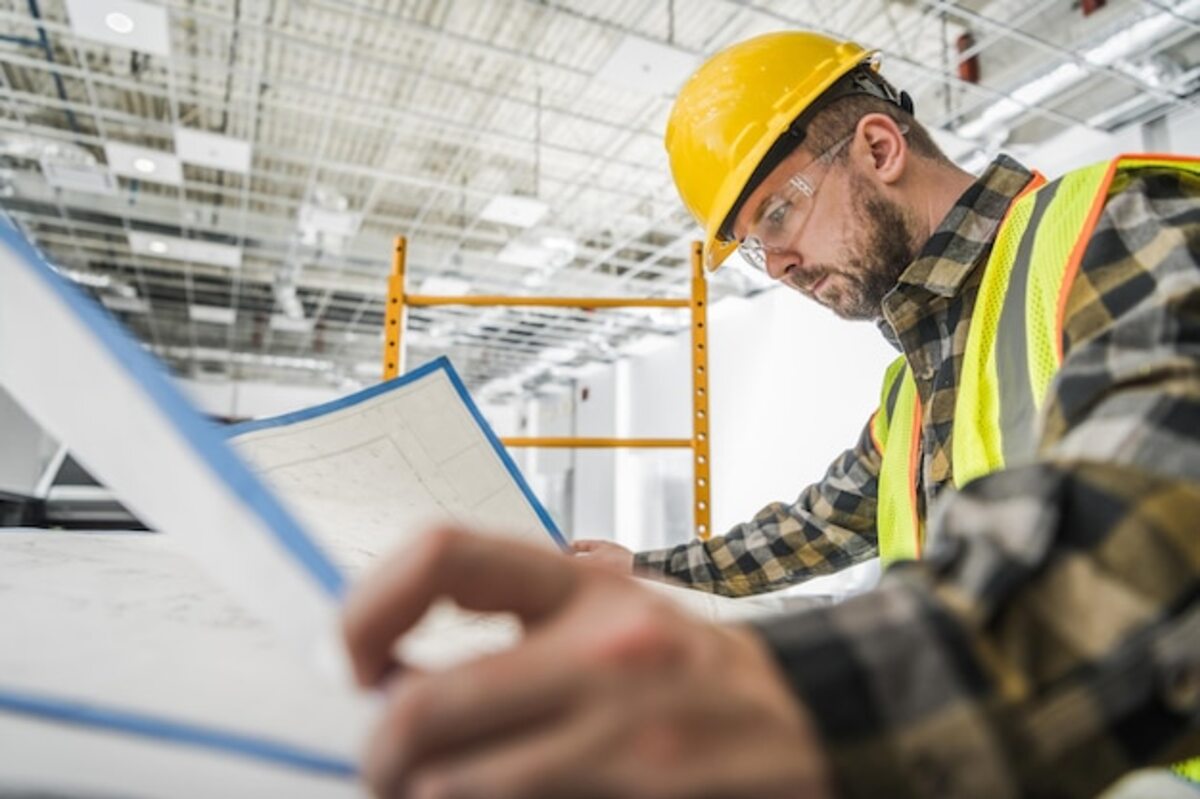
The structural quality of your new home is essential to ensure its durability and safety. Evaluating this quality will not only allow you to enjoy a comfortable space but will also prevent you from costly repairs in the future. In this article, we will explore the key aspects you should consider when analyzing the structure of your home, ensuring that your investment is protected. With this understanding, you will be able to make informed decisions and maintain the integrity of your home in the long term.
Importance of a structural inspection prior to purchase
A pre-purchase structural inspection of a home is a crucial step that should not be overlooked. This process allows for the identification of potential hidden issues that could compromise the safety and integrity of the property. From cracks in the walls to foundation problems, a thorough evaluation can reveal deficiencies that, if not addressed, may result in costly repairs in the long run. By investing time and resources in a professional inspection, buyers gain a clear insight into the current condition of the property and can make more informed decisions.
Additionally, having a detailed report after the structural inspection provides the buyer with significant bargaining power. If serious issues are identified during the evaluation, this can be used as leverage to request repairs before closing the deal or to negotiate a lower price. On the other hand, if the report indicates that the structure is in excellent condition, this not only provides peace of mind to the new owner but can also increase the resale value of the home in the future. In summary, conducting a structural inspection is a smart investment that protects your capital and ensures a safe and durable home.
Advertisements
How to identify visible signs of damage in the structure
When evaluating the structural quality of your new home, it is crucial to look for visible signs of damage that may indicate underlying problems. Start by examining the walls for cracks or fissures, which can be signs of settling or movement in the structure. The most concerning cracks are those that are wide or that extend diagonally, as they may suggest a larger issue with the foundations. Also, pay attention to any distortion in the doors and windows; if they are difficult to open or close improperly, this may be indicative of a structural misalignment.
Another important aspect to consider is the ceilings and their overall condition. Look for signs of moisture, mold, or material detachment, as these signs can indicate water leaks or issues with the home's waterproofing. Additionally, check the floor for sagging or wobbling when walking on it; these may be indicative of damage to the beams or the structural support base. Making these observations will allow you to identify potential risks and take preventive measures before they become major problems.
Essential tools for assessing home quality
To assess the structural quality of your new home, having the right tools is essential. Among these tools are laser and bubble levels, which will allow you to check the alignment and leveling of walls, floors, and ceilings. A proper level is crucial for identifying potential settling or distortions that could compromise the stability of the property. Additionally, a moisture meter can be invaluable for detecting leaks or moisture issues in the walls and foundations, which can lead to greater damage if not addressed in a timely manner.
Another important tool is a thermal camera, which allows you to identify cold and hot spots in the structure; this can indicate problems such as poor insulation or the presence of hidden moisture. Additionally, a material density gauge will help you analyze the quality of the concrete or wood used in the construction. With these essential tools, you will be able to conduct a thorough assessment of the structural condition of your home, ensuring that every corner meets the necessary standards to guarantee your long-term safety and comfort.
The relevance of soil and foundations in home stability
The relevance of the soil and foundations in the stability of the home cannot be underestimated. The type of land on which a house is built directly influences its strength and durability. Unstable soils, such as clayey ones or those with a high presence of water, can cause irregular settlements that compromise structural integrity. Therefore, when evaluating a new home, it is crucial to conduct a geotechnical study to determine the characteristics of the soil and its capacity to support loads. An adequate analysis will allow for the identification of potential problems before they turn into costly repairs.
The foundations are the base upon which the entire structure rests and act as the first shield against external forces, such as earthquakes or floods. Poor design or inappropriate materials at this construction phase can lead to severe failures that affect both safety and property value. It is essential to verify that the foundations comply with local regulations and are specifically designed for the soil conditions where the house is located. By paying attention to these fundamental aspects, you will not only ensure a safe and stable home but also protect your long-term investment.
Reviewing electrical and plumbing installations: a critical aspect
Reviewing the electrical and plumbing installations is a critical aspect of assessing the structural quality of your new home. A poorly installed or faulty electrical system can not only cause inconveniences like power outages but also poses a significant fire risk. When inspecting the electrical circuits, you should check for overloads, the condition of switches and outlets, as well as the adequacy of the wiring to current regulations. Additionally, ensure that the entire installation is properly grounded to prevent electrical shocks that could endanger your family's safety.
On the other hand, plumbing is equally crucial; a faulty hydraulic network can lead to leaks that damage walls and foundations over time. It is essential to check for visible signs of moisture or mold in the areas where the pipes are located, as well as to ensure that faucets and drains are functioning properly. It is also advisable to pay attention to the materials used in the installations; for example, old or corroded pipes may need to be replaced to prevent larger issues. Performing these inspections will allow you not only to enjoy a safe and functional home from the start but also to avoid unexpected expenses on future repairs.
The impact of the Costa Rican climate on the structure of the home
The Costa Rican climate, characterized by its variability and the presence of intense rains during certain times of the year, has a significant impact on the structure of homes. Extreme weather conditions can cause wear on building materials, which can compromise the stability and safety of a house. For example, constant humidity can promote the growth of mold and fungi, as well as damage wooden structures if appropriate treatments are not used. Therefore, it is essential to choose materials that are resistant to these conditions and to design a home that allows for adequate ventilation and drainage.
Additionally, heavy rains can cause flooding in vulnerable areas, highlighting the importance of assessing the location of the land and the characteristics of the drainage system. An appropriate design will include preventive measures such as elevating the floor or containment systems to divert water. Adapting to the local climate not only protects your long-term investment but also enhances living comfort by maintaining a healthy environment inside the home. Thus, considering the impact of the Costa Rican climate is crucial to ensure the structural quality you need in your new home.
Tips for the preventive maintenance of structures
To ensure the durability of the structures in your home, it is essential to implement regular preventive maintenance. This proactive approach will allow you to identify and address issues before they become costly repairs. Start by conducting periodic inspections in critical areas such as roofs, foundations, windows, and doors. Look for signs of wear, moisture, or cracks that may compromise structural integrity. Additionally, do not forget to check drainage and sewage systems to ensure that water does not accumulate in inappropriate places, which could damage the foundations of your house.
Another key aspect of preventive maintenance is the care of the exterior of your home. Paint and sealant are your best allies in protecting surfaces exposed to the elements. Make sure to keep these finishes in good condition and repair them as soon as you notice signs of deterioration. Also, consider scheduling annual inspections with specialized professionals to assess more technical aspects such as the basement structure or the electrical installation. By adopting these habits, you will be investing in the safety and longevity of your home, ensuring that it remains in optimal condition for many years.
When to consult a professional for a deeper evaluation
When it comes to the structural quality of your home, there are times when it is essential to seek a professional for a deeper evaluation. If you have noticed signs of damage, such as cracks in the walls, doors that do not close properly, or issues with moisture, it is crucial not to ignore these signals. A structural engineer or a qualified home inspector can identify underlying problems that may compromise the integrity of your home and provide you with appropriate solutions. Ignoring these symptoms could lead to costly repairs and further deterioration in the future.
Additionally, if you are considering renovations or expansions in your home, consulting an expert is crucial. They can assess the existing structure and determine if it will support the proposed changes without affecting its stability. They can also provide advice on suitable materials and best construction practices to ensure that any modifications maintain the safety and durability of the home. Ultimately, having the support of a professional will allow you to make informed decisions and protect your long-term investment.
Advertisements
More in Basic Maintenance

Home, Basic Maintenance
Key aspects for a smooth move to your new home
Home, Basic Maintenance
Tips for assessing the durability of your new home in Costa Rica
Home, Basic Maintenance
Essential maintenance to maximize the security of your new home

Home, Basic Maintenance
Key aspects to choose a home that protects your investment
Most viewed in Home

Home, Furniture
Furniture that promotes the art of rest and disconnection

Home, Furniture
How to select furniture that reinforces your investment in Costa Rica
Home, Essential Appliances
Appliances that ensure functionality and style in your home
Home, Security and Technology
Early warning systems for smart home security